
The year 2025 marked a pivotal moment in the evolution of contemporary art, as artists pushed boundaries, defied conventions, and reshaped the visual landscape in exciting new ways. These creators are not simply participating in the art world—they are redefining it. With a combination of bold experimentation, technological integration, and an unwavering commitment to cultural relevance, they are setting the stage for a new artistic era.
The Emergence of the Metaverse as a Canvas
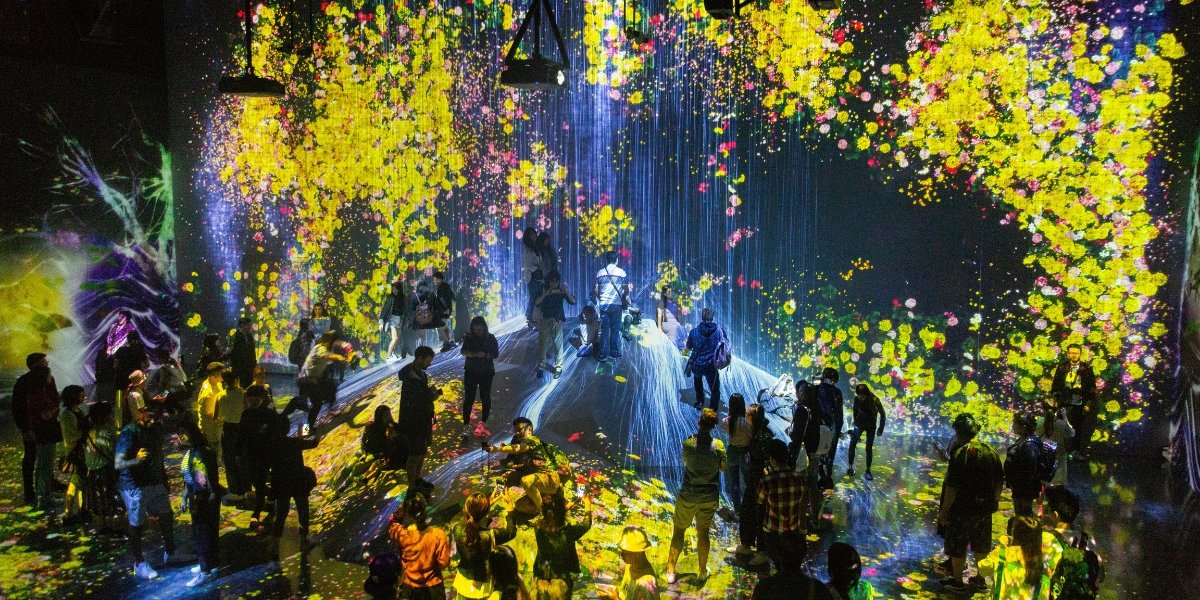
In 2025, the metaverse shifted from being a distant concept to an active canvas for visual artists. This digital frontier is now where some of the most exciting contemporary art is being created and experienced. Artists like Krista Kim, known for her work blending technology with visual art, have pushed the envelope by creating immersive, interactive environments that transcend traditional gallery walls. Her use of light, color, and digital space connects with the growing demand for virtual spaces that allow viewers to participate in the art rather than simply observe it.
The integration of AI, virtual reality (VR), and augmented reality (AR) into art installations has exploded, providing artists with unprecedented freedom to create. These technologies have allowed for the blending of the digital and physical realms, where audience interaction becomes as much a part of the artwork as the artist’s vision. The success of virtual exhibitions, such as “AI and Me” by David McLeod, has established a template for how art will be experienced in the future. These new artistic experiences are not confined to specific locations but are accessible globally, offering a whole new dimension to the term “immersive.”
Visual Art as Activism: Shifting Cultural Narratives
Visual art has always been a powerful tool for activism, but in 2025, it became an even more prominent vehicle for reshaping cultural narratives. Titus Kaphar, known for his poignant reimagining of historical paintings, has continued to challenge the traditional canon of Western art. His recent pieces, which include elements of both physical and digital mediums, address systemic issues of racial inequality and the erasure of marginalized voices from historical records. This recalibration of art not only engages viewers on an emotional level but also demands societal change by shifting how history is represented in the arts.
The rise of multimedia installations, incorporating video, sound, and live performance, allows for more dynamic commentary on global crises. The work of Kara Walker is also an example of this growing trend. Her installations use traditional methods such as silhouettes and projections, but in 2025, Walker’s incorporation of digital projections and public space installations has turned her pieces into large-scale conversations on race, identity, and historical trauma.
In this new era, artists are no longer restricted to galleries; they are taking to public spaces, projecting their narratives onto city walls, and reaching broader, more diverse audiences. These works are not just for contemplation—they are a direct call for action and reflection on the current social and political climate.
Breaking Boundaries with Mixed Media and Collage Art
Mixed media and collage art have undergone a significant transformation in 2025. While the genre has always been associated with the fusion of various materials, the past year has seen artists using unexpected materials, including recycled digital imagery, augmented reality, and even performance art, to break traditional boundaries. Mark Bradford, a key figure in this movement, has pushed the limits of collage by incorporating materials ranging from urban debris to video and sound, which change the context of each piece as it is viewed.
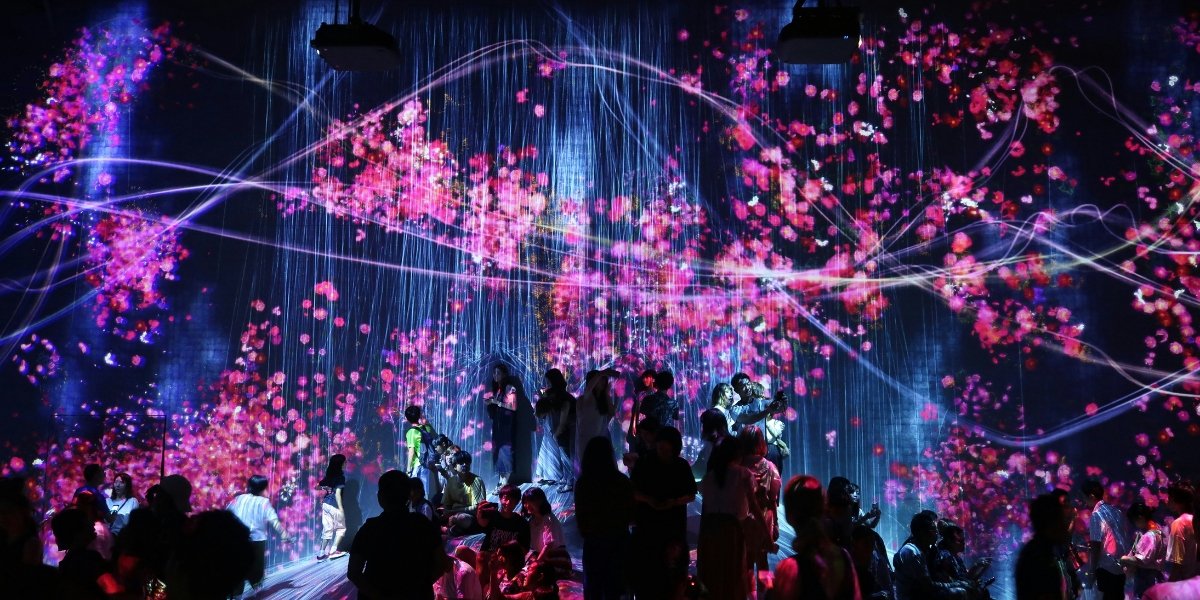
Photo Credit: Unsplash.com
The interplay between organic and technological elements has driven the creation of innovative mixed media works that are as much about the process as they are about the final product. Wangechi Mutu, a Kenyan-American artist, has been a leader in integrating collage with video, sound, and installation. Her layered works, which merge African traditions with contemporary themes, continue to influence a generation of artists eager to explore identity through both traditional and futuristic lenses.
New Media Artists and the Revival of Photography
While new media art has dominated 2025’s visual landscape, photography has also undergone a revival. Emerging artists have found new ways to incorporate photography into their multimedia works. This genre has evolved beyond traditional portraiture and landscape photography into something far more dynamic and experimental. For example, LaToya Ruby Frazier has used photography to explore personal narratives of social justice, but in 2025, her work integrates augmented reality, transforming still images into living, breathing stories.
Frazier’s photographs, once static, are now moving pieces—blurring the line between static and dynamic forms of visual art. This fusion of photography with other media allows for a more comprehensive exploration of societal issues, bringing a new dimension to storytelling. Artists are embracing new technology to reinvent the photography experience, making it more interactive and engaging for audiences.
Art Collectives and the Recalibration of the Art Market
The 2025 art world has also seen a shift in how art is sold, collected, and consumed. Art collectives, often made up of emerging artists with shared ideologies, are taking the spotlight and changing how art markets function. Collectives like The Art Hive Collective are focused on making art accessible and challenging the elite, often commercialized art scene. Their efforts have moved beyond galleries, organizing pop-up exhibitions, creating digital platforms for emerging voices, and selling pieces through decentralized networks. This is a significant recalibration in how art is both consumed and appreciated.
These art collectives are not just about democratizing access to art—they are about redefining what art can be. By experimenting with different art forms, integrating technology, and collaborating with other creative industries, these collectives are leading the way in breaking down traditional barriers in the art world.
The Future of Visual Art: What’s Next?
Looking ahead to the future, the recalibration of art in 2025 is just the beginning. The intersection of technology, activism, and new media will continue to redefine what it means to be an artist and what art can accomplish. The boundaries between the physical and digital realms are only becoming blurrier, and the artists leading this charge are shifting the landscape in ways that have never been seen before.
As the art world becomes more inclusive, experimental, and tech-driven, the traditional gallery model will continue to evolve. Artists will have more platforms to express themselves, reach wider audiences, and impact global culture. In this new era, it’s not just about creating art—it’s about creating change, telling stories, and leaving a lasting impact on both the art world and the world at large.