Movies

Billie Eilish to Make Her Feature Film Acting Debut

Billie Eilish to Make Her Feature Film Acting Debut

Billie Eilish, the Grammy-winning artist, is stepping into feature film acting, taking on the lead role of Esther Greenwood in a new adaptation of Sylvia Plath’s 1963 novel The Bell Jar. Directed by Academy Award winner Sarah Polley, the film is poised to be a major milestone in Eilish’s evolving career. From Music Icon to Film Star Billie Eilish rose to fame in 2015 with the breakout single Ocean Eyes, which launched her into stardom. Since then, she has become one of the most recognized names in contemporary music, earning multiple Grammy Awards and two Academy Awards for her songwriting collaborations with her brother Finneas. Known for her unique musical style and emotional depth, Eilish is now ready to transition into a new creative endeavor: acting. Her choice to take on the challenging role of Esther Greenwood, the protagonist of The Bell Jar, signals her desire to expand her artistic boundaries. The novel, which deals with themes of identity, mental health, and societal expectations, remains one of the most influential works in American literature. For Eilish, the role represents a departure from her musical roots into the world of complex dramatic storytelling. The Film’s Creative Team The upcoming adaptation will

Why Animation Matters: Films That Push the Boundaries of Narrative

Why Animation Matters: Films That Push the Boundaries of Narrative

For decades, animation was often narrowly perceived as a medium primarily for children’s entertainment—a delightful but less serious counterpart to live-action cinema. However, this perception has been decisively shattered by a continuous stream of groundbreaking films that have captivated audiences of all ages and fundamentally redefined what storytelling can achieve on screen. From hand-drawn masterpieces to cutting-edge computer-generated imagery (CGI), animation has consistently pushed the boundaries of narrative, visual artistry, and emotional depth, proving its unparalleled ability to explore complex themes, build fantastical worlds, and convey universal human experiences with remarkable freedom. The true power of animation lies in its liberation from the constraints of physical reality. Unlike live-action, where practical limitations of physics, budget, or logistics often dictate what can be shown, animation offers an infinite canvas. Artists can create characters with exaggerated expressions, conjure impossible landscapes, and orchestrate sequences that defy gravity or time—all to serve the story’s emotional core or thematic message. This creative liberation is precisely what allows animated films to transcend the ordinary and dive into realms of imagination that resonate deeply with the human spirit, making them potent vehicles for truly innovative storytelling. How Animation Has Transcended Its Early Perceptions Animation was once primarily

From Museum to Multiplex: Defining the Boundaries of Cinema, Art, and Popular Culture

From Museum to Multiplex: Defining the Boundaries of Cinema, Art, and Popular Culture

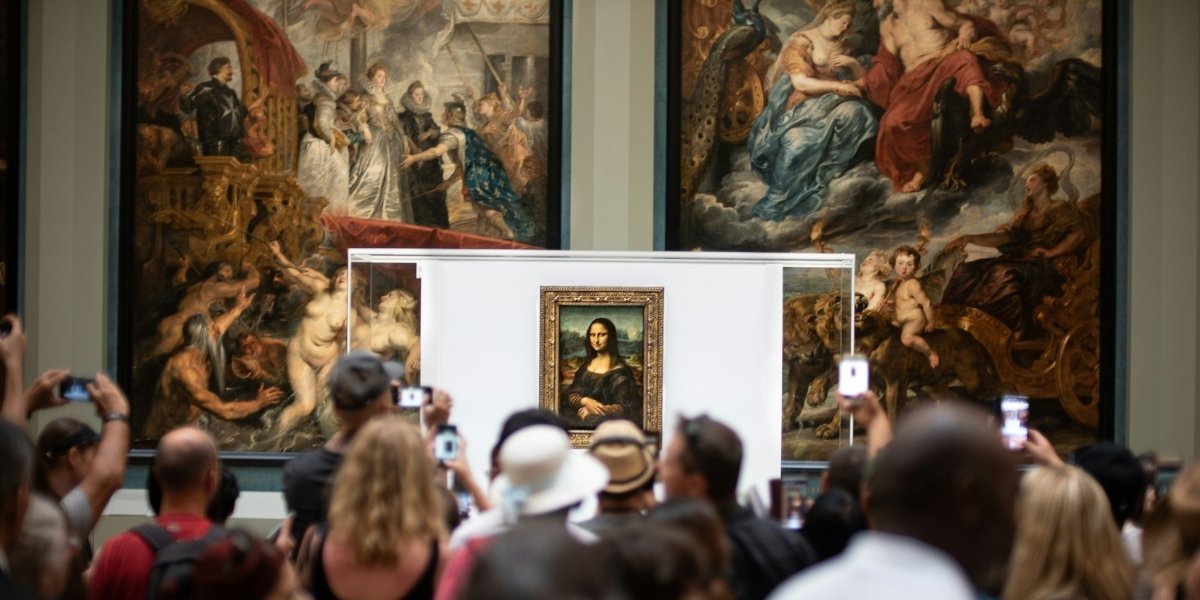
Boundaries between cinema, visual art, and mainstream storytelling are less distinct than in past decades. As artists and filmmakers push beyond traditional forms, museums and cultural institutions are presenting moving images alongside other artistic expressions. This shift reflects broader changes in how creative work is made, shown, and received across audiences. The expanding interaction between cinematic practice and visual art reflects evolving platforms and audience engagement. Film festivals, museum programs, and digital showcases are placing emphasis not just on narrative entertainment but on forms that foreground visual experimentation and thematic depth. These developments point to a widening space for creative expression that draws from both fine art traditions and popular storytelling avenues.  Art Cinema’s Role Beyond Arthouse Screens Traditionally, art cinema has offered filmmakers a platform for storytelling that doesn’t necessarily adhere to mainstream genre conventions. Over the last decade, films that engage complex visual language and thematic nuance have found wider audiences outside typical arthouse circuits, aided in part by streaming services, festivals, and broader distribution channels. Contemporary directors such as Wes Anderson, Alfonso Cuarón, and Bong Joon‑ho exemplify work that resonates both with critics and larger audiences. Their films combine distinctive cinematic styles with universal themes, drawing viewers

Disney’s ‘Zootopia 2’ Breaks Record for Animated Box Office Globally

Disney’s ‘Zootopia 2’ Breaks Record for Animated Box Office Globally

Zootopia 2 has achieved significant box office success, surpassing Inside Out 2 with a global total of $1.703 billion. This places it among the top ten highest-grossing movies in global box office history. The sequel’s performance underscores the ongoing appeal of animated films, demonstrating their widespread popularity with audiences worldwide. Nearly a decade after the original Zootopia, the sequel has continued to capture the interest of global audiences. The film’s box office performance illustrates the ongoing strength of Disney’s animation division and the lasting popularity of the franchise’s characters and themes. While Zootopia 2 is now one of the highest-grossing animated films, it follows other successful animated features in the industry. The film’s strong performance adds to the growing trend of animated films achieving notable success at the global box office. Box Office Triumphs The film’s path to reaching over $1 billion was swift, aided by solid performances in North America, China, and Europe. Its momentum continued through the holiday season, helping it surpass previous animated hits like Inside Out 2, which grossed $1.69 billion globally. By crossing the $1.7 billion threshold, Zootopia 2 surpassed Disney’s 2019 remake of The Lion King, which grossed $1.663 billion. This continued success highlights

How Post-Production Technology Is Transforming Filmmaking

How Post-Production Technology Is Transforming Filmmaking

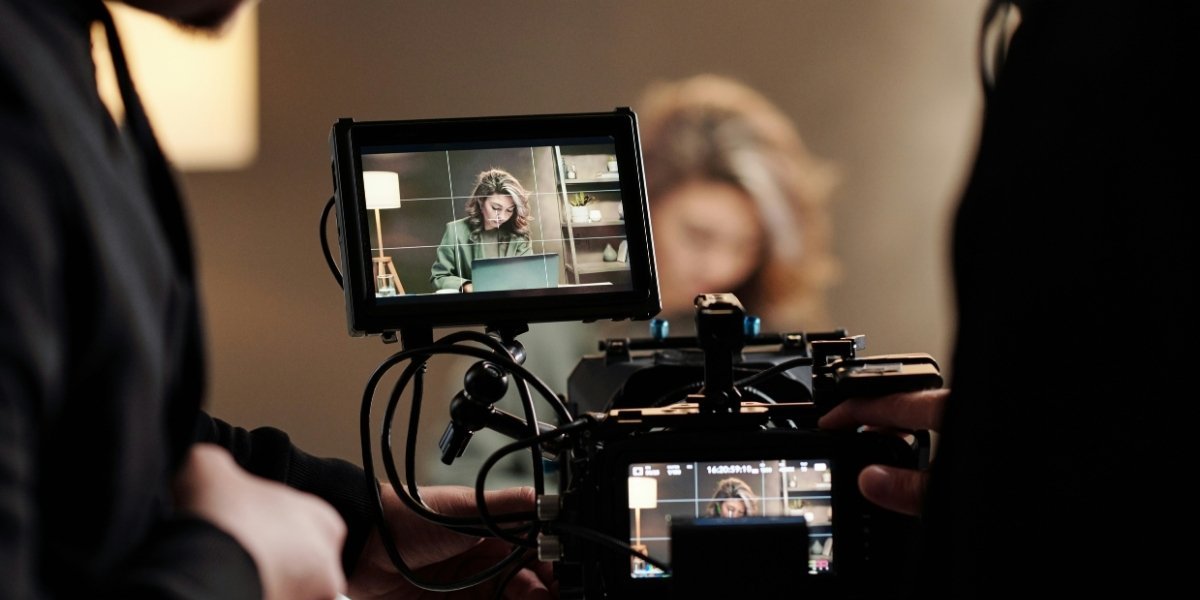
Post-Production Innovations in Filmmaking Post-production is an integral phase of filmmaking that brings a director’s vision to life. In recent years, rapid technological advancements have revolutionized post-production, transforming the way films are edited, enhanced, and finished. From groundbreaking software to artificial intelligence and new visual effects techniques, post-production innovations have allowed filmmakers to create more immersive, visually stunning, and creatively ambitious films than ever before. This article explores the key innovations in post-production that are shaping the future of filmmaking. The Role of Post-Production in Filmmaking Post-production is the phase that occurs after the film has been shot and involves several key stages, including editing, sound design, color grading, visual effects (VFX), and final mastering. It is during post-production that the raw footage is transformed into the polished final product that audiences will see in theaters or on streaming platforms. While editing and sound design have always been essential elements of filmmaking, post-production has become increasingly sophisticated with the advent of new technologies. These innovations have not only enhanced the quality of films but also opened up new creative possibilities for filmmakers. Key Innovations in Post-Production The following are some of the most notable innovations in post-production that are pushing

Why Do Movies Flop? Unpacking the Hidden Reasons Behind Box Office Bombs

Why Do Movies Flop? Unpacking the Hidden Reasons Behind Box Office Bombs

In the glittering world of Hollywood, where astronomical budgets meet grand artistic visions, the line between a triumphant blockbuster and a resounding flop can be surprisingly thin. Despite meticulous planning, star-studded casts, and immense marketing campaigns, a significant number of films fail to recoup their investments, leaving studios with substantial financial losses and tarnished reputations. Understanding the myriad reasons behind these cinematic missteps is crucial for grasping the inherent risks and complex dynamics of the film industry, a business where creative merit doesn’t always translate into commercial success. The journey of a film from concept to screen is fraught with challenges, each step a potential pitfall. A single misjudgment, whether in casting, script development, marketing, or timing, can derail even the most promising project. The pressure to deliver hits is immense, given that the average cost of producing and marketing a major studio film can easily exceed hundreds of millions of dollars. When a film bombs, it’s not just a commercial failure; it can have ripple effects, impacting careers, studio strategies, and even the future of entire franchises. This will delve into the multifaceted causes that transform anticipated blockbusters into undeniable busts. We will examine how creative misfires, flawed marketing,

Ultimate Comfort Why Luxury Cinemas Are Investing in Recliners and Immersive Sound

Ultimate Comfort: Why Luxury Cinemas Are Investing in Recliners and Immersive Sound

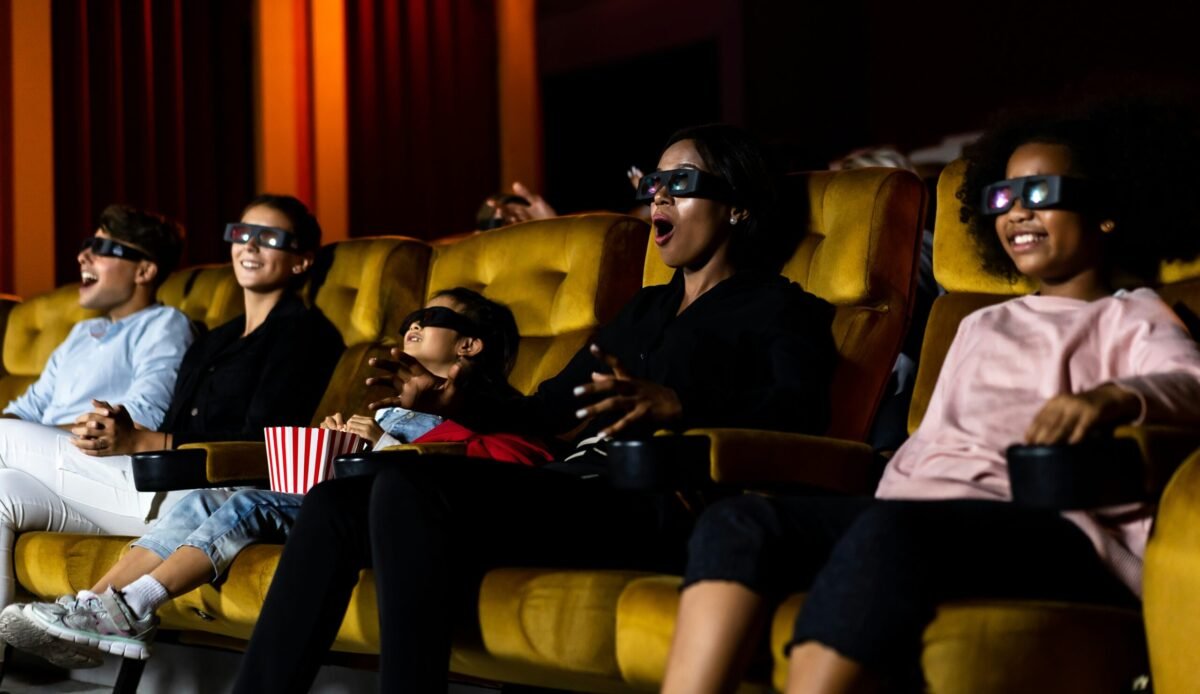
Gone are the days of hard, uncomfortable movie theater seats. Today, theaters are turning the movie-going experience into an immersive, luxurious event. From reclining seats to booming surround sound, theaters are betting on high-tech upgrades to win back movie lovers and elevate the cinematic experience. This shift has become even more important as competition from streaming services and home viewing options continues to grow. Let’s dive into how recliners and roaring sound are shaping the future of movie theaters. The Rise of Reclining Seats in Cinemas It’s no secret that comfort plays a huge role in the movie-watching experience. Cinemas have long been criticized for offering stiff, narrow seating that left viewers longing for their couches at home. But in recent years, theaters have completely revamped their seating options. Cinemas like AMC, Regal, and Cinemark have introduced reclining seats, making the theater experience feel much more like a luxury event. These plush recliners feature ample legroom, the ability to fully recline, and often come with the added perk of built-in cup holders and tray tables for snacks. This comfort upgrade has not only made movie-watching more enjoyable but also more inviting for long films or those who prefer to relax

Zootopia 2 Premiere: Why Los Angeles Remains the Epicenter of Global Animation Culture

Zootopia 2 Premiere: Why Los Angeles Remains the Epicenter of Global Animation Culture

Los Angeles has long been synonymous with the glitz and glamour of Hollywood, but beyond the big-name actors and blockbuster films, the city has become the undisputed epicenter of global animation culture. This was made crystal clear once again at the Zootopia 2 premiere, which took place at the iconic El Capitan Theatre in Hollywood. The event not only celebrated the return of one of the most beloved animated franchises of the decade but also reinforced LA’s pivotal role in shaping and showcasing the future of animated storytelling. Los Angeles: The Home of Animation Innovation Animation is no longer just a genre of film; it’s a full-fledged cultural movement, and LA stands at its helm. The premiere of Zootopia 2 isn’t just a release; it’s a testament to Los Angeles’ role in global animation. The city’s unique mix of creativity, innovation, and its legacy of entertainment history makes it the perfect backdrop for high-profile premieres like this one. Animation in Los Angeles thrives due to its convergence of talented animators, cutting-edge technology, and major production houses. Companies like Walt Disney Animation Studios, DreamWorks, and Pixar are headquartered in or around LA, and their influence stretches far beyond the city limits.

Adele's Acting Debut: Tom Ford Directs Singer in Anne Rice's Cry to Heaven

Adele’s Acting Debut: Tom Ford Directs Singer in Anne Rice’s Cry to Heaven

After years of captivating the world with her voice, Adele is venturing into a new creative frontier—acting. The British singer, renowned for her powerhouse vocals and soul-stirring music, is set to make her acting debut in the upcoming film Cry to Heaven. Directed by fashion icon Tom Ford, the adaptation of Anne Rice’s 1982 novel promises to blend the worlds of art, music, and fashion in a way few projects have before. A New Chapter in Adele’s Creative Journey For Adele, this acting debut marks a bold evolution in her career. Known for her deeply personal lyrics and vocal prowess, Adele’s decision to step into the acting world is a natural yet surprising move. The singer has long been regarded for her ability to convey raw emotion, and it’s clear that this skill will play a significant role in her portrayal of a character in Cry to Heaven. Set in 18th-century Venice, the story of Cry to Heaven centers around a young boy who is castrated and enters the world of opera, a place that provides a different form of expression and survival. With its themes of identity, sacrifice, and transformation, the novel is a rich tapestry for exploring deep

Frankenstein's Monster: Exploring the True Legend and Novel

Frankenstein’s Monster: Exploring the True Legend and Novel

The legend of Frankenstein’s monster is one of the most enduring in popular culture. It has been adapted into countless films, books, and plays, but many often mistake the creature for its portrayal in the movies. The true origin of Frankenstein’s monster lies in the 1818 novel by Mary Shelley, Frankenstein, a work that reshaped literature, the horror genre, and even the way we think about creation, ethics, and responsibility. The iconic image of the monster with green skin, bolts in his neck, and a lumbering gait is a far cry from the tragic figure created by Shelley. While the book explores deep themes of humanity, isolation, and the consequences of scientific hubris, the monster’s cultural legacy has taken on a life of its own, far beyond its literary roots. The Creation of Frankenstein’s Monster: Shelley’s Revolutionary Novel The novel Frankenstein is considered one of the first works of science fiction and a foundational text in gothic literature. Mary Shelley’s creation of Frankenstein’s monster was revolutionary, blending the cutting-edge scientific discourse of the time with deeply philosophical questions about the nature of humanity and the ethical limits of scientific experimentation. At its heart, Frankenstein is about the consequences of trying

The Ultimate Question: Can We Actually Travel Through Time?

The Ultimate Question: Can We Actually Travel Through Time?

Time travel has long captured the imagination of artists, filmmakers, and scientists alike. From the complex theories of physicists to the vibrant worlds created in books and films, the question persists: can we actually travel through time? While we may not yet have a functioning time machine, the concept continues to drive cultural exploration, especially within the realms of art and entertainment. Let’s dive into the intersection of time travel, creative expression, and the questions it raises about our relationship with time. Time Travel in Art: A Visual Exploration In the world of visual arts, time travel is often used as a narrative device to explore memory, history, and the future. Artists manipulate the passage of time through their mediums, bending perception and reality in ways that mirror the time travel stories we know and love. Many contemporary artists use techniques such as mixed media, digital manipulation, and performance art to create spaces where the past, present, and future can coexist. One such example is the work of visual storyteller Refik Anadol. His immersive digital art installations, like Machine Hallucinations, explore the intersection of artificial intelligence and the human experience of time. By using real-time data from the world around

The Power of Documentaries in Sharing Veteran Stories

The Power of Documentaries in Sharing Veteran Stories

How Do Documentary Films Capture the Veteran Experience? Documentary films hold a unique power to reveal the complexities of the veteran experience. Unlike fictional portrayals, documentaries provide real voices and stories, offering intimate insights into the lives of those who have served in the military. These films create spaces where veterans can share their journeys, struggles, and triumphs without the filter of dramatization. Through interviews, archival footage, and observational storytelling, documentaries explore themes such as combat trauma, reintegration into civilian life, and the bonds formed during service. The authentic nature of this genre allows audiences to connect emotionally and intellectually, deepening public understanding of veterans’ realities. Documentaries often highlight diverse perspectives within the veteran community, acknowledging differences in rank, branch, era of service, and personal background. This inclusivity combats stereotypes and broadens awareness beyond commonly portrayed narratives, such as combat heroism, to include issues like mental health, family dynamics, and identity. What Makes Documentary Films a Powerful Medium for Veterans’ Stories? The strength of documentary films lies in their commitment to truth and detail. Filmmakers often spend years developing relationships with veteran subjects, building trust to capture candid moments and personal reflections. This process enables storytelling that is both respectful

Beyond Photoshop: Exploring the History of Hand-Painted Film Posters

Beyond Photoshop: Exploring the History of Hand-Painted Film Posters

The Golden Age of Hand-Painted Film Posters Before Photoshop became the industry standard, film posters were crafted by hand—brushstroke by brushstroke. These weren’t just promotional tools; they were standalone works of art. From the 1920s through the 1980s, hand-painted film posters dominated cinema culture in cities like Accra, Bombay, and Warsaw. Each poster reflected the local aesthetic, often reinterpreting Hollywood blockbusters through regional styles and surreal exaggeration. Hand-painted film posters capture a visual tradition that’s been largely replaced by digital design. But the artistry behind these posters still resonates. They were bold, imperfect, and deeply expressive. Unlike today’s templated layouts, these posters told stories through color, texture, and gesture. They didn’t just sell the movie—they extended its mythology. From Studio Commissions to Street Art In the U.S. and Europe, studios hired illustrators like Drew Struzan and Bob Peak to create theatrical posters that blended realism with fantasy. Struzan’s work on Star Wars and Indiana Jones became iconic, setting a visual tone that defined entire franchises. His technique—airbrushed highlights, dramatic lighting, and layered composition—was rooted in traditional painting, not digital manipulation. Meanwhile, in Ghana and Nigeria, hand-painted film posters took on a different life. Local artists painted directly onto canvas or

The Cultural Exchange: A Historical Look at Hollywood's Asian Movie Remakes

The Cultural Exchange: A Historical Look at Hollywood’s Asian Movie Remakes

Hollywood has long been a powerhouse for cinematic storytelling, but as the world becomes increasingly interconnected, film studios are expanding their horizons. One of the most fascinating phenomena in modern cinema is the growing influence of Asian films and stories on Hollywood productions. From remakes to collaborative cross-cultural projects, the history of Hollywood’s Asian movie adaptations is a testament to the blending of Eastern and Western storytelling traditions. In this article, we explore the journey of Asian movie adaptations in Hollywood, examining key moments that have reshaped the global film industry. Early Adaptations: From Japanese Horror to Hollywood Thrillers The first notable instances of Hollywood adapting Asian films occurred during the late 1990s and early 2000s, particularly with Japanese horror films. The success of Ringu (1998), a terrifying supernatural thriller directed by Hideo Nakata, set the stage for Hollywood’s interest in adapting Asian films. The American remake, The Ring (2002), directed by Gore Verbinski, became a massive box-office hit, introducing mainstream audiences to a darker, more psychological approach to horror. This wave of adaptation continued with films like The Grudge (2004), another Japanese horror remake, and Shutter (2008), based on a Thai film of the same name. Hollywood directors and

Explore Faith on Screen: A Guide to Christian Movies

Explore Faith on Screen: A Guide to Christian Movies

Christian movies have long served as a powerful medium for storytelling, offering audiences narratives rooted in faith, hope, and redemption. In recent decades, this genre has expanded dramatically, moving from niche productions to mainstream box office hits, attracting a wider audience and a diverse range of cinematic talent. These films explore themes central to Christian theology, from historical accounts of biblical events to contemporary stories of faith in action, often aiming to inspire, encourage, and provide a sense of community to viewers. The evolution of Christian cinema reflects a growing demand for content that aligns with a specific worldview, offering an alternative to mainstream Hollywood narratives. This guide will explore the history of Christian movies, delve into the different types of films within the genre, highlight some of the most influential titles, and discuss the profound impact these films have had on audiences and the broader film industry. The Evolution of Christian Cinema The history of Christian movies is a journey from early, low-budget productions to a sophisticated and financially significant segment of the film industry. In the mid-20th century, Christian films were primarily didactic, often produced by religious organizations to teach biblical lessons or promote a specific church doctrine.

Reviews vs. Revenue Analyzing the Link Between Ratings and Box Office

Reviews vs. Revenue: Analyzing the Link Between Ratings and Box Office

Movie reviews have long been a topic of debate among filmmakers, critics, and audiences alike. But do they actually predict a movie’s box office success? With the rise of online platforms like Rotten Tomatoes, Metacritic, and social media, ratings have become a crucial part of the movie-watching experience. They influence everything from audience expectations to opening weekend earnings. Let’s explore how movie reviews impact a film’s box office performance and why these ratings matter in the larger context of the entertainment industry. The Power of Reviews in Shaping Audience Expectations Moviegoers often turn to reviews to determine whether a film is worth their time and money. A glowing review from a respected critic can boost a film’s appeal, while a negative review may discourage audiences from buying tickets. In the age of digital media, reviews can travel faster than ever, spreading across social media platforms and reaching potential viewers almost immediately. For filmmakers and studios, early reviews can serve as a litmus test, influencing marketing strategies and word-of-mouth buzz. A positive reception can lead to increased interest and excitement, generating more buzz in the lead-up to the film’s release. On the other hand, poor reviews can lead to negative publicity,