
By: Guanglei Hui
Choreographed and directed by dance artist Lulu Zhu, Color of the Wind is a multi-sensory choreographic work presented at Performance Space New York and the Guangdong Contemporary Dance Festival. The performance invites audiences to engage with the work through sensory experience rather than through visual observation alone, offering an opportunity for a more immersive, multi-sensory encounter.
The work focuses on contact and sensation, drawing on blind massage as a primary source for movement and gesture. Subtle muscular shifts, breath, and rhythm help shift attention away from vision towards alternative modes of perception. Throughout the performance, proximity becomes a significant condition: touch encourages a form of therapeutic listening, while duration and spatial awareness influence how the body is encountered over time.
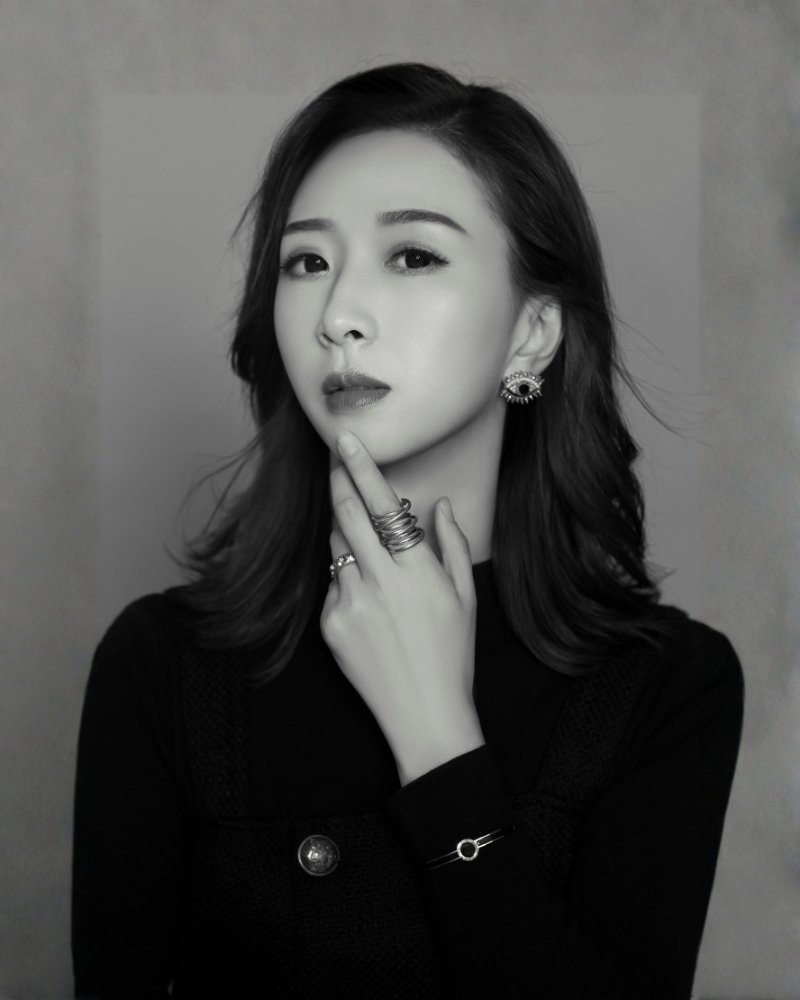
Photo Courtesy: Lulu Zhu
This sensorial orientation appears to be closely linked to Zhu’s choreographic background. Initially trained in Chinese classical dance and folk dance, she developed a strong embodied foundation grounded in shape, rhythm, and codified movement systems. Her later engagement with modern and contemporary dance practices in the United States marked a significant shift in her artistic approach. Rather than treating these traditions as stylistically opposed, Zhu integrates improvisation, task-based exploration, and embodied listening into her existing physical knowledge. This layered background seems to explain the work’s emphasis on process, perception, and relational sensing over visual composition or virtuosic display.
Within Color of the Wind, the body functions not only as a carrier of choreography but as a perceptual medium through which space, others, and the self are sensed. Meaning emerges through bodily encounter rather than through visual representation or narrative framing.
Massage-based actions, including knuckle pressure, circular elbow movements, tapping, and kneading, form the work’s central embodied language. These gestures are not transformed into conventional dance vocabulary, but maintain their functional qualities. Fixed choreography and linear narrative are avoided, while everyday actions are absorbed into the performance space. Presented without symbolic framing, these activities retain their ordinariness, gaining resonance through proximity, repetition, and duration.
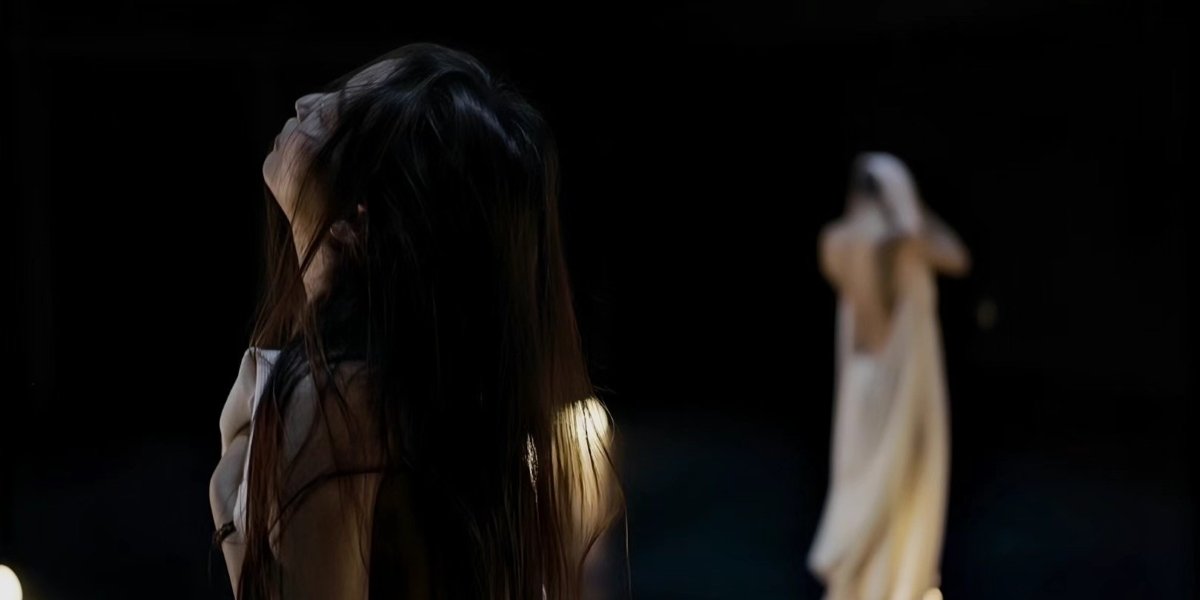
Sound and installation play a key role in shaping the work’s sensory environment. Live music establishes a restrained, quiet atmosphere, while surrounding electric fans animate thin gauze, creating subtle shifts in air movement. Through the combined experience of sound and motion, wind becomes perceivable not as an abstract idea, but as a physical sensation. These elements work in harmony with movement, allowing sensory experience to unfold across multiple registers.
What becomes particularly significant in Color of the Wind is the way attention itself is treated as choreographic material. Rather than directing the audience toward a fixed focal point, the work allows perception to remain fluid and unfixed. Sensation unfolds gradually through duration, touch, and subtle shifts in presence, requiring audiences to remain actively attentive rather than passively observant. In this sense, the performance resists consumption as a spectacle and instead invites a form of shared responsibility between performers and viewers. The experience of the work is not delivered in advance, but develops through sustained engagement, where meaning is shaped by how long one stays with a sensation, a contact, or a moment of stillness.
Through this integration, Zhu approaches choreography as a broader compositional practice. Movement, sound, and spatial intervention are aligned through attentiveness rather than assembled as parallel elements. In doing so, Color of the Wind extends dance into an expanded field of perception, opening the work to audiences through multiple points of access beyond movement alone.
Color of the Wind demonstrates how choreography can expand through the careful alignment of perceptual and expressive layers. Rather than privileging display, the work foregrounds relation and co-presence as structuring principles, offering a choreographic language grounded in attention, proximity, and shared sensory experience.