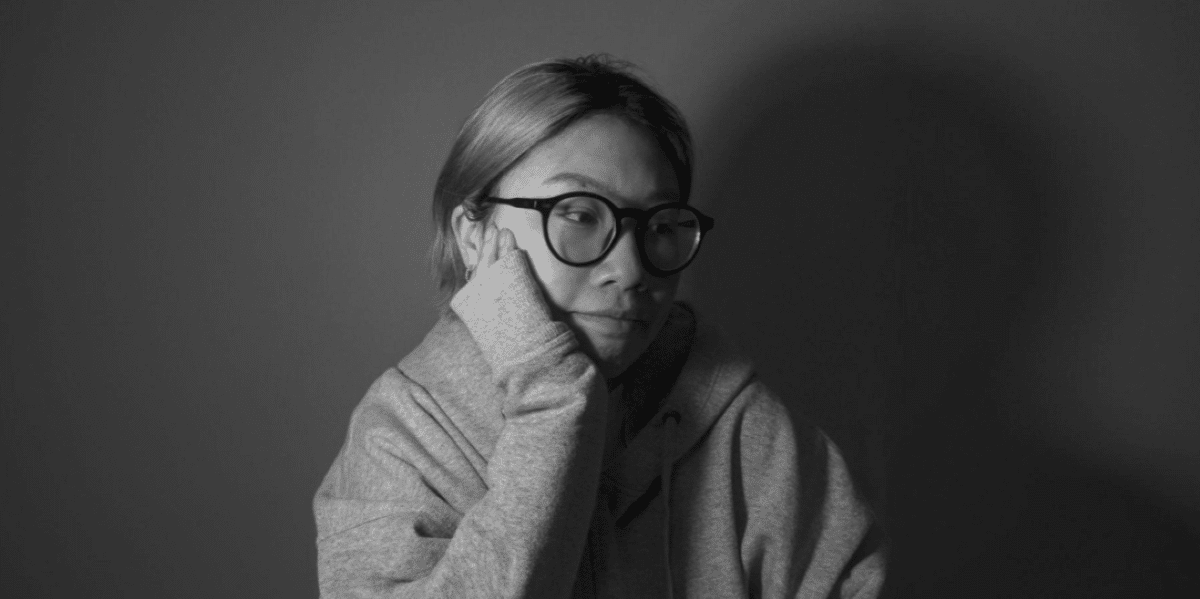

As a designer, I’ve always been driven by curiosity—exploring how creativity shapes human experiences. My career started in visual design, where I honed skills in branding and aesthetics. But over time, I became increasingly drawn to solving user problems and creating meaningful experiences. This led me to pivot into User Experience (UX) Design.
Today, as a Senior UX Designer, I aim to blend visual storytelling with problem-solving strategies. This guide is my way of sharing that journey with aspiring designers and offering practical advice for anyone looking to start their career in UX design.
Starting Your UX Design Journey
Many designers transitioning to UX feel overwhelmed by user research, prototyping, and collaboration complexity. Let’s start with understanding users and empathizing with their needs.
- Build foundational skills through open resources like Human-Centered Design courses, such as Nielsen Norman Group (NN/g), where I learned core UX principles.
- Learn tools like Figma, Sketch, and Adobe XD.
- Start small—volunteer for a UX project or redesign an app you use regularly.
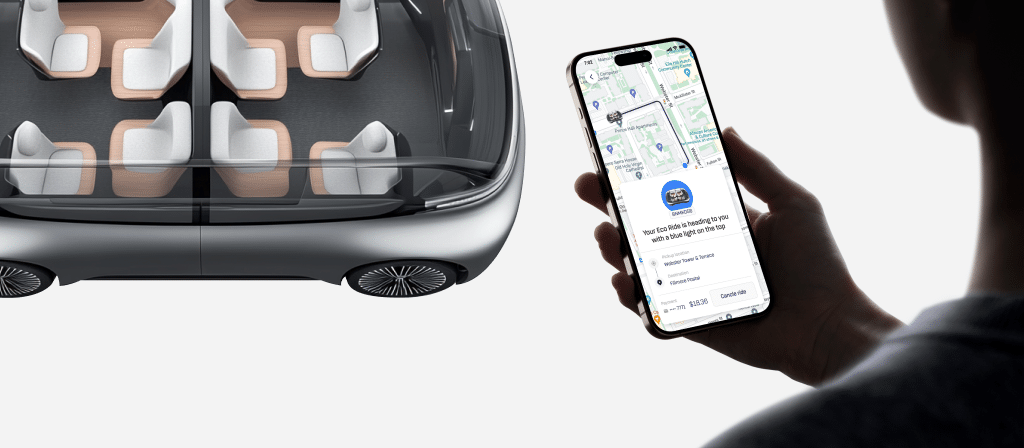
Photo Courtesy: Hui Jing
Most importantly, design is a process of continuous learning. When I started, I thought visual perfection was key. However, I quickly realized that UX is more about creating ideal solutions for users.
My Design Process: A Case Study of the Ecoride Project
I’d like to share my design approach using a specific project as an example—EcoRide, a sustainable urban mobility project I designed to make commuting greener and more user-friendly.
The Design Process:
- Research Phase: Conduct user interviews to understand pain points for daily commuters.
- Define Phase: The insights identified two main user goals: reducing carbon footprint and accessing real-time eco-friendly routes.
- Ideate Phase: Brainstorming solutions, including interactive maps and interior setup.
- Prototype Phase: Built wireframes and interactive prototypes in Figma for early testing.
- Iterate Phase: User feedback guided improvements.
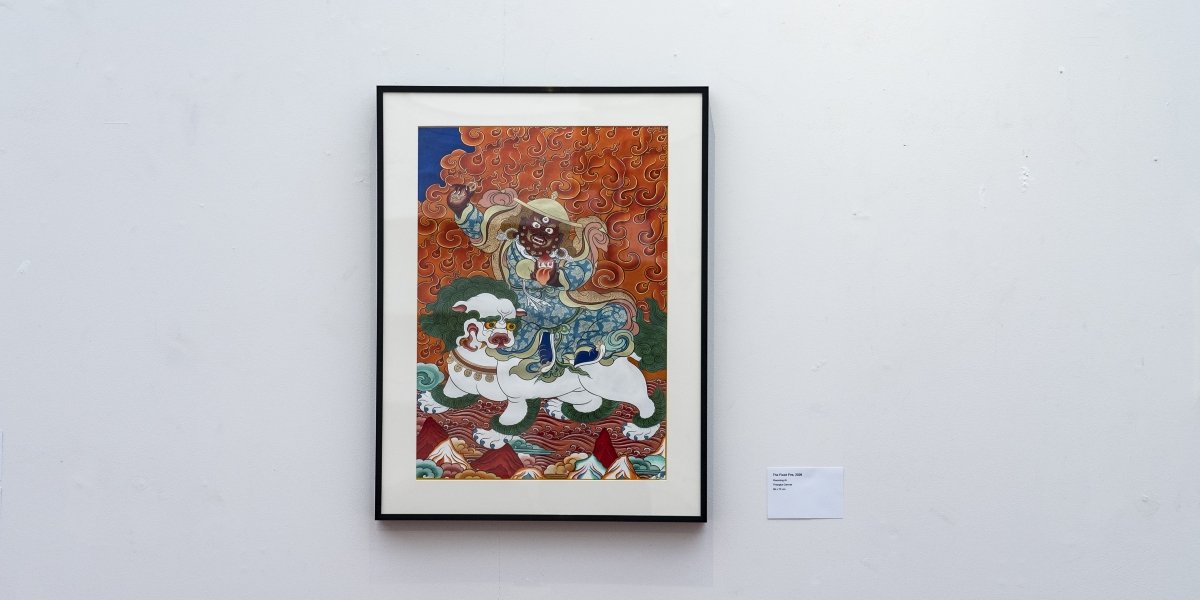
The final outcome was a user-centered app that simplifies eco-conscious travel. I’m thrilled to announce that the Ecoride project will be proudly showcased at the 2nd Florence Annual International Art Exhibition in Palazzo Bellini from January 4-8, 2025, and the Florence Biennale in Fortezza da Basso from October 18-26, 2025, underscoring its relevance to sustainable design. Sharing this project is a personal milestone and an opportunity to engage with other creatives and inspire change.
Collaboration: Teamwork Across Design and Development
Collaboration is the backbone of successful UX projects. Communication is as important as design skills for designers aspiring to work in cross-functional teams.
I want to share my experience with TravelBot, a conversational AI project in the Travel Apps Category. This project was a true blend of design, technology, and teamwork.
- Aligning Goals: Early in the project, I collaborated closely with another designer, Jinda Zhong and developers to aim for feasibility while striving for an innovative and user-centered experience.
- Design + Development Handoff: We used Figma to help clear and consistent design assets, streamlining collaboration and reducing back-and-forth.
- Iterative Feedback: Frequent check-ins helped resolve issues early, creating a seamless workflow.
The success of TravelBot taught me that great products are a result of shared ownership, trust, and open communication between designers and developers.
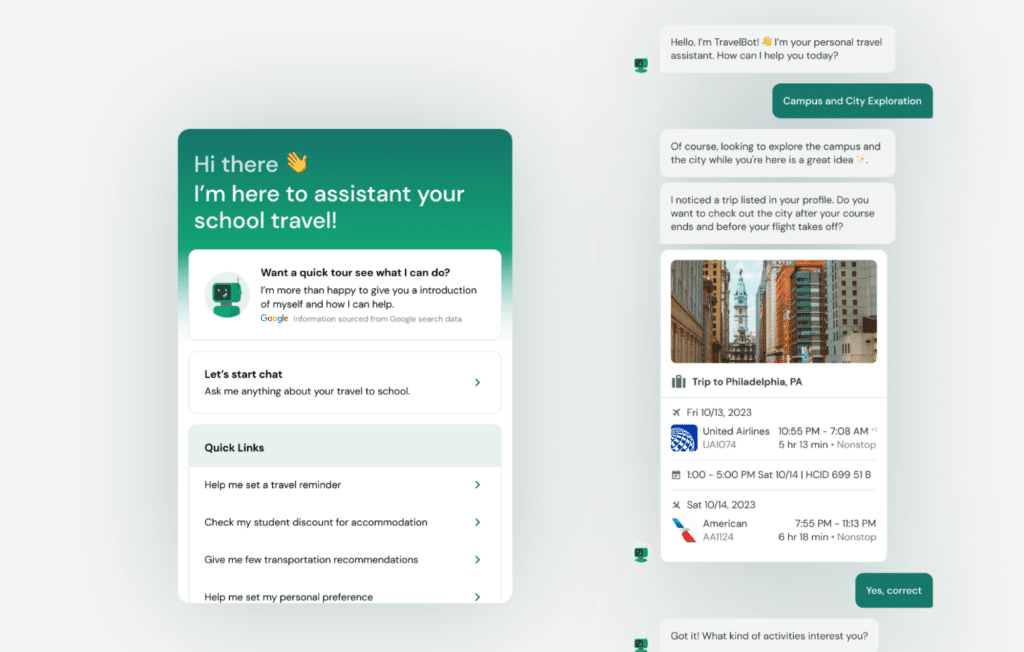
Photo Courtesy: Hui Jing
Encouraging Collaboration and Innovation
Reflecting on my creative journey, I’m more committed than ever to nurturing collaborations and pushing design innovation forward. Whether through projects like Ecoride or award-winning solutions like TravelBot, I aim to create experiences that make a difference.
For designers reading this: embrace curiosity, collaborate with others, and always put users at the center of your work. UX design is not just about making things look good—it’s about solving problems that matter. To all aspiring UX designers: your creative journey is uniquely yours. Keep learning, experimenting, and, most importantly, designing for impact.
About Hui Jing
Hui Jing is a Senior UX Designer with a background in visual design, currently creating human-centered solutions that blend aesthetics with functionality. Her work spans sustainable design, conversational AI, and innovative applications showcased in TravelBot, UpBand, TikKits, etc.
Published by Nicholas A.