Art Basel Miami Beach has long been synonymous with the elite art world. But as we head into 2025, the fair is poised to redefine its legacy, welcoming an influx of younger, more diverse collectors and artists who are not only challenging traditional forms of art but also transforming the way we experience culture. This year, Art Basel Miami Beach embraces hybrid art culture, where the lines between visual art, music, design, and technology are blurred in ways that speak to today’s digital, interconnected, and creative generations. For Gen Z and the new wave of collectors, this is not just about viewing art; it’s about participating in an immersive cultural experience.
The Rise of Gen Z Collectors at Art Basel 2025
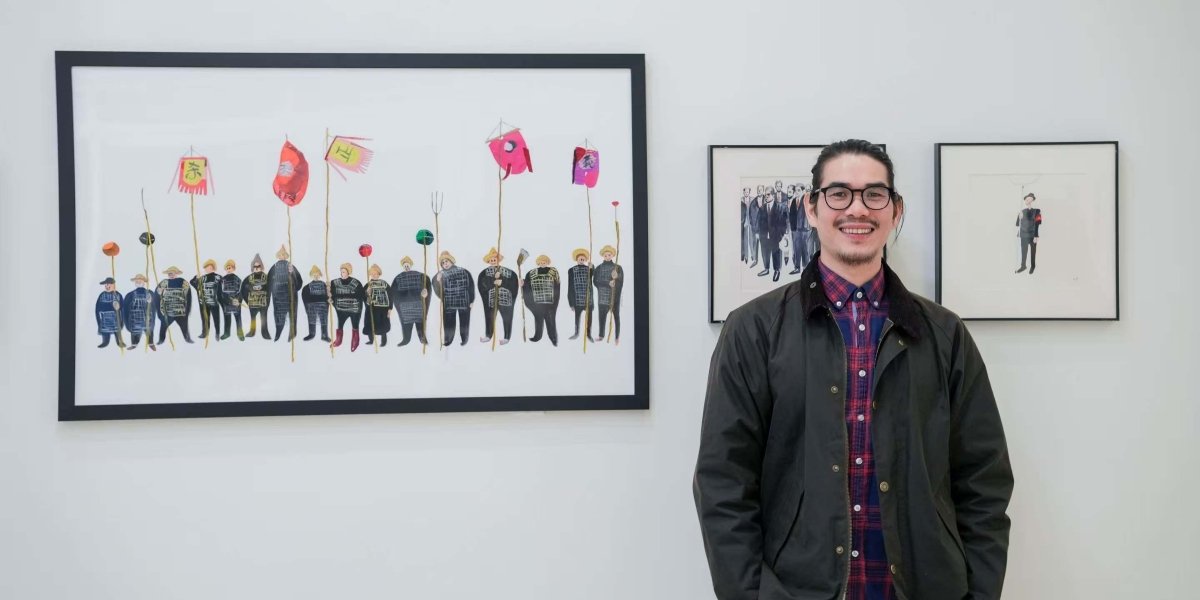
The art world has traditionally been dominated by older, established collectors, with many galleries and auction houses catering to a select few. However, Art Basel Miami Beach 2025 is witnessing the rise of a new class of collectors — Gen Z. Known for their comfort with technology, activism, and a desire for authenticity, these young collectors are reshaping the art market.
Gen Z is not content with simply buying art as a commodity. For them, it’s about aligning with values such as sustainability, inclusivity, and creative experimentation. They are turning to emerging artists and new media forms, like digital art and augmented reality, which reflect their digital native lifestyles. In response, Art Basel has begun showcasing galleries that represent younger, more diverse voices, along with immersive installations that are less about traditional walls and more about interactions and experiences.
This shift isn’t just about collecting art for investment — it’s about using art as a way to express identity, culture, and values. These young collectors are looking for art that challenges the status quo and pushes boundaries. They seek out pieces that feel personal, relevant, and accessible, moving away from the high-brow, market-driven pieces that once dominated major art fairs.
Hybrid Art Culture: Blurring the Lines Between Art Forms
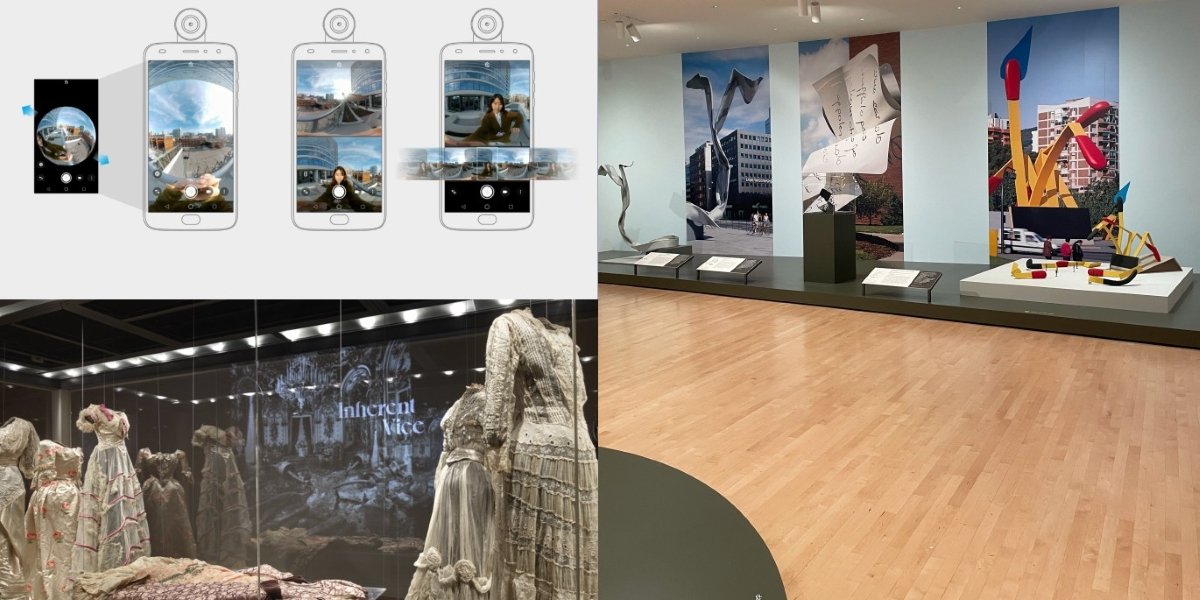
At the heart of Art Basel Miami Beach 2025 is the rise of hybrid art culture. This trend goes beyond the conventional separation between art forms like painting, sculpture, and film. Artists today are embracing multiple disciplines, creating experiences that combine art, technology, performance, music, and even food. These hybrid installations not only invite the viewer to engage with art but to be part of it.
One standout example is the increasing integration of virtual reality (VR) and augmented reality (AR) into art exhibitions. These immersive technologies allow viewers to step inside the artwork itself, altering how they experience and perceive art. The use of VR and AR reflects the desires of younger generations who are deeply familiar with digital technology and social media, where visual experiences dominate. This interactive nature of art allows the viewer to move beyond passive observation and become a part of the artwork’s narrative.
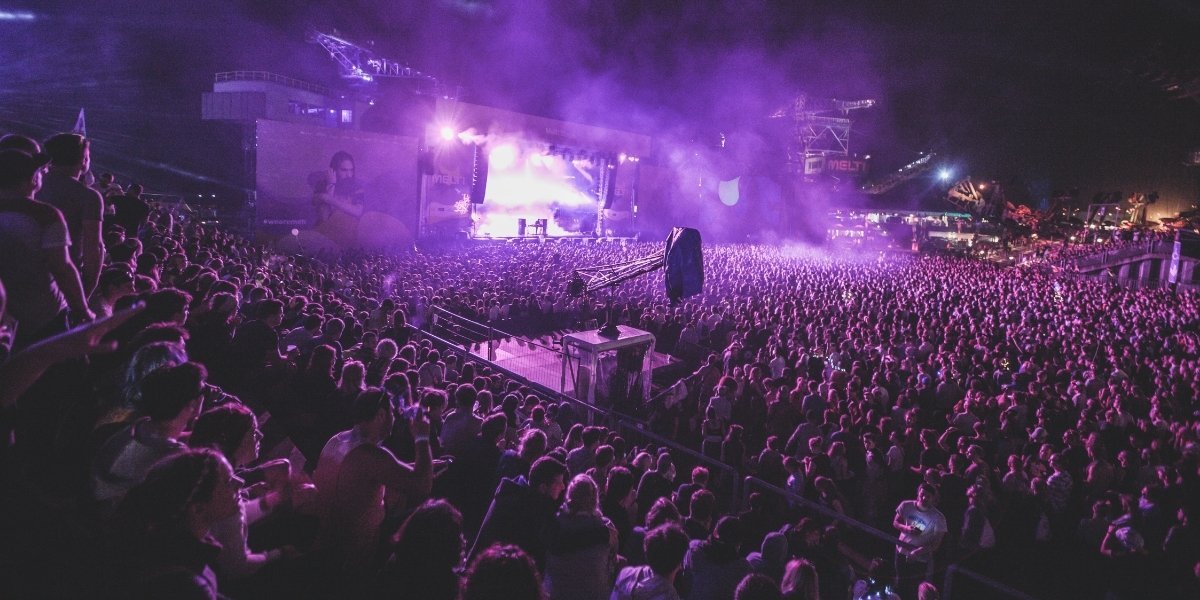
Along with digital technologies, there is also a growing trend of interdisciplinary collaboration at Art Basel. Musicians, dancers, and visual artists are increasingly working together, creating performances and installations that merge visual aesthetics with sound and movement. This blurring of artistic boundaries speaks to the evolving nature of creativity and the fluidity of today’s cultural landscape. Art is no longer confined to the gallery — it’s an experience that flows into everyday life.
Art Basel’s Role in Shaping the Future of Art
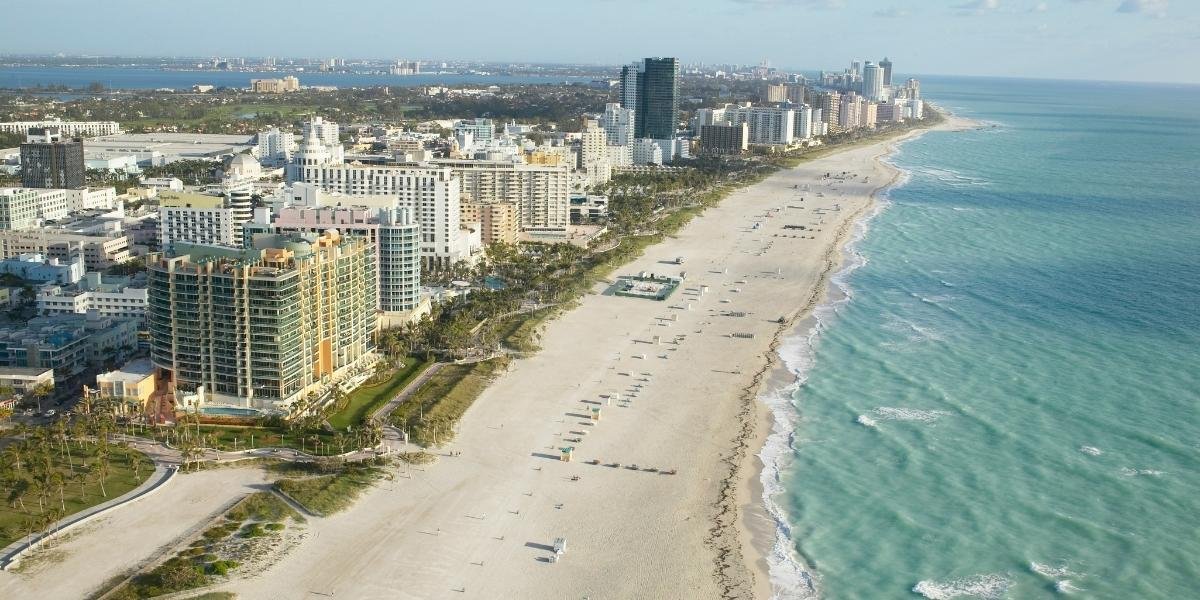
Photo Credit: Unsplash.com
Art Basel has always been a key player in shaping the future of art, and in 2025, it continues to redefine its role. By embracing the hybrid culture that Gen Z and other younger collectors crave, Art Basel is helping to shape the future of the global art market. The fair’s focus is no longer just on selling expensive, traditional artwork but on creating an environment where art can be experienced in dynamic, innovative ways.
This transformation also comes at a time when social movements and environmental awareness are deeply influencing the art world. Young collectors are not just buying art for its aesthetic appeal, but also for its potential to create social change. Artists showcasing their work at Art Basel are increasingly using their platforms to address issues such as climate change, racial inequality, and political unrest. For this new wave of collectors, purchasing art is an act of cultural participation, a way to express solidarity with the causes they care about.
Art Basel’s commitment to inclusivity and the diverse representation of voices is another key shift. The fair has made significant strides in inviting and supporting marginalized artists, particularly women, people of color, and LGBTQ+ creatives. These changes reflect broader cultural shifts that are making the art world more accessible to all and more reflective of the global diversity of today’s society.
The Future of Art: What to Expect Beyond 2025
Looking ahead, the evolution of hybrid art culture and the rise of younger, more engaged collectors signal that the future of art is deeply intertwined with technology, social movements, and the desire for immersive, interactive experiences. As more Gen Z artists and curators step into the spotlight, we can expect to see even more radical changes in how we engage with art.
By 2028, Art Basel Miami Beach will likely be an even more dynamic space where art transcends traditional boundaries, bringing together visual art, music, technology, and design in ways that are yet to be fully imagined. The cultural conversations that start at Art Basel are likely to influence everything from museum exhibitions to street art, shaping not only the future of art but also the way art is perceived in our everyday lives.