In the competitive world of the arts, establishing a distinct and memorable brand is essential for artists looking to stand out and connect with their audience. While talent and creativity are paramount, the visual presentation of an artist can also play a significant role in shaping their brand identity. Fashion, in particular, offers artists a powerful tool for expressing their unique personality, creativity, and artistic vision. We explore how fashion can shape an artist’s brand and contribute to their overall success and recognition in the industry.
Crafting a Visual Identity
Fashion acts as a silent yet powerful communicator, allowing artists to visually articulate who they are before they even speak or perform. The way an artist dresses can signal their genre, influences, and emotional tone—whether it’s the rebellious edge of punk, the ethereal softness of indie folk, or the polished precision of classical performance. This visual language becomes a shorthand for audiences to understand and connect with the artist’s creative world.
A thoughtfully curated wardrobe also helps artists maintain consistency across platforms and appearances. From album covers and music videos to live performances and interviews, a unified fashion aesthetic reinforces brand recognition. This cohesion builds trust and familiarity, making it easier for fans to identify and emotionally invest in the artist’s journey.
Fashion allows artists to experiment with visual storytelling. Each outfit can represent a chapter in their evolution, a mood they’re exploring, or a message they want to convey. This dynamic interplay between fashion and identity gives artists the freedom to reinvent themselves while still maintaining a recognizable core—a balance that’s crucial in sustaining long-term relevance.
Establishing a Signature Look
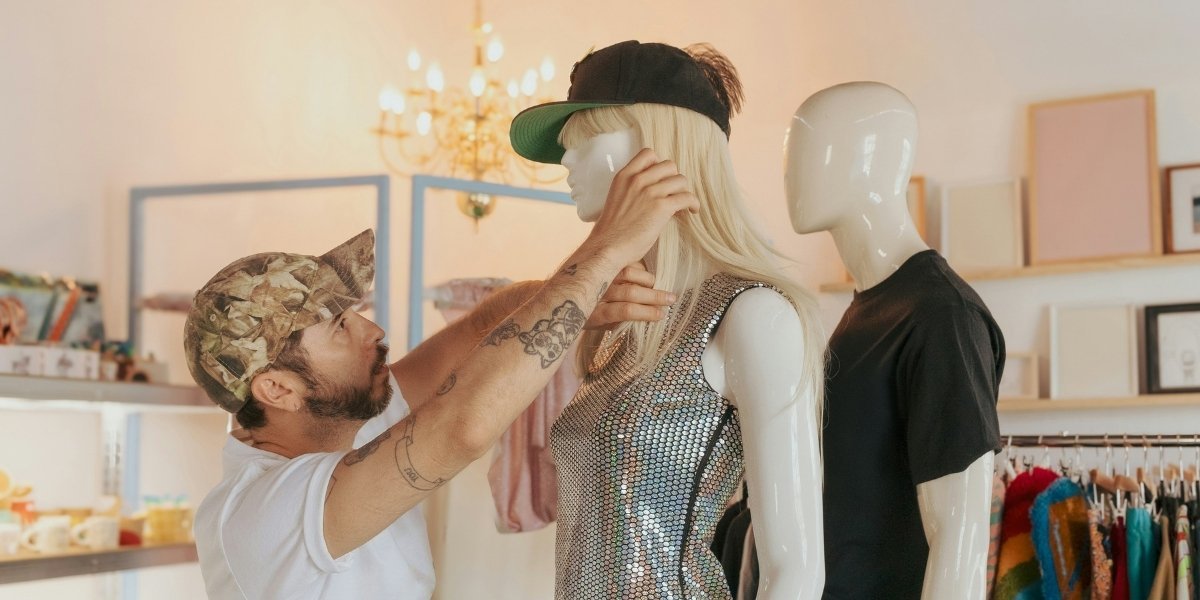
Photo Credit: Unsplash.com
A signature look is more than just a recurring outfit—it’s a visual trademark that becomes synonymous with the artist’s name. Think of Prince’s purple ensembles, Lady Gaga’s avant-garde couture, or Billie Eilish’s oversized streetwear. These fashion choices aren’t arbitrary; they’re strategic tools that help artists carve out a unique space in the cultural landscape and remain memorable in a crowded field.
Developing a signature look also fosters a sense of authenticity. When fashion aligns with an artist’s personality and creative ethos, it feels genuine rather than performative. This authenticity resonates with audiences, who are increasingly drawn to artists that reflect realness and vulnerability. A consistent style can become a visual anchor, helping fans feel more connected to the artist’s narrative.
A signature look can open doors to cross-industry collaborations. Fashion brands often seek artists with strong visual identities to represent their lines or co-create collections. These partnerships not only expand the artist’s reach but also reinforce their brand in new and influential circles, from runway shows to editorial spreads.
Aligning with Brand Values
Fashion isn’t just about aesthetics—it’s also a platform for advocacy. Artists can use their wardrobe to spotlight causes they care about, whether it’s wearing sustainable fabrics, supporting local artisans, or collaborating with ethical fashion houses. These choices send a message that goes beyond style, signaling a deeper commitment to social and environmental responsibility.
By aligning fashion with personal values, artists can build a brand that feels purposeful and principled. Fans today are more socially conscious and often seek out creators who reflect their own beliefs. When an artist’s fashion choices echo their stance on issues like climate change, gender equality, or cultural preservation, it fosters a stronger emotional bond with their audience.
This alignment also encourages dialogue and awareness. Whether it’s wearing protest-inspired designs or using fashion as a canvas for storytelling, artists can spark conversations that ripple through their fanbase and beyond. In doing so, they transform fashion from a passive accessory into an active agent of change—one that amplifies their voice and deepens their impact.
Cultivating a Strong Visual Presence
In the age of Instagram grids, TikTok reels, and YouTube thumbnails, an artist’s visual presence is often the first point of contact with potential fans. Fashion becomes a strategic asset in this digital landscape, helping artists stand out in a sea of content. A compelling outfit can spark curiosity, drive engagement, and even go viral—turning a simple post into a branding moment that amplifies reach and visibility.
Beyond aesthetics, fashion also adds depth to an artist’s storytelling across platforms. A behind-the-scenes snapshot of a wardrobe fitting, a candid moment in a thrift store, or a styled shoot with a designer can offer fans a glimpse into the artist’s world. These moments build intimacy and authenticity, allowing audiences to feel like they’re part of the creative process rather than just passive observers.
Strategic collaborations with fashion photographers, stylists, and brands further elevate an artist’s visual presence. Whether it’s a feature in a fashion magazine, a red carpet appearance, or a branded campaign, these opportunities position the artist within influential cultural conversations. The result? A multidimensional brand that’s not only heard but seen, remembered, and shared.
The Power of Fashion
Fashion, at its core, is more than fabric—it’s a form of self-expression, storytelling, and connection. For artists, it offers a dynamic way to shape perception, evoke emotion, and build a brand that transcends their medium. Whether they’re musicians, dancers, painters, or performers, their fashion choices become part of their legacy, influencing how they’re remembered and celebrated.
A well-defined fashion identity can also serve as a bridge between art and commerce. It opens doors to sponsorships, merchandising, and media coverage, turning style into a revenue stream and a branding tool. When fashion is aligned with artistic vision, it reinforces the message and expands the artist’s influence across industries.
Ultimately, fashion empowers artists to take control of their narrative. It allows them to challenge norms, celebrate individuality, and connect with audiences in ways that words alone cannot. In a competitive and visually driven world, fashion isn’t just an accessory—it’s a strategic pillar of artistic success.