
The Fremantle Biennale, known for its groundbreaking exhibitions in Western Australia, is once again pushing the boundaries of contemporary art. This year, the Biennale has taken a daring step by transforming an abandoned, haunted hotel into a site-specific immersive art installation. Artists from around the world are reimagining the hotel’s decaying architecture, infusing it with creative energy that revives the space’s long-forgotten history. The project reflects a global trend of rethinking spaces — using their unique histories and physicality to create art that challenges both space and perception.
Reclaiming Forgotten Spaces: Art as Revival
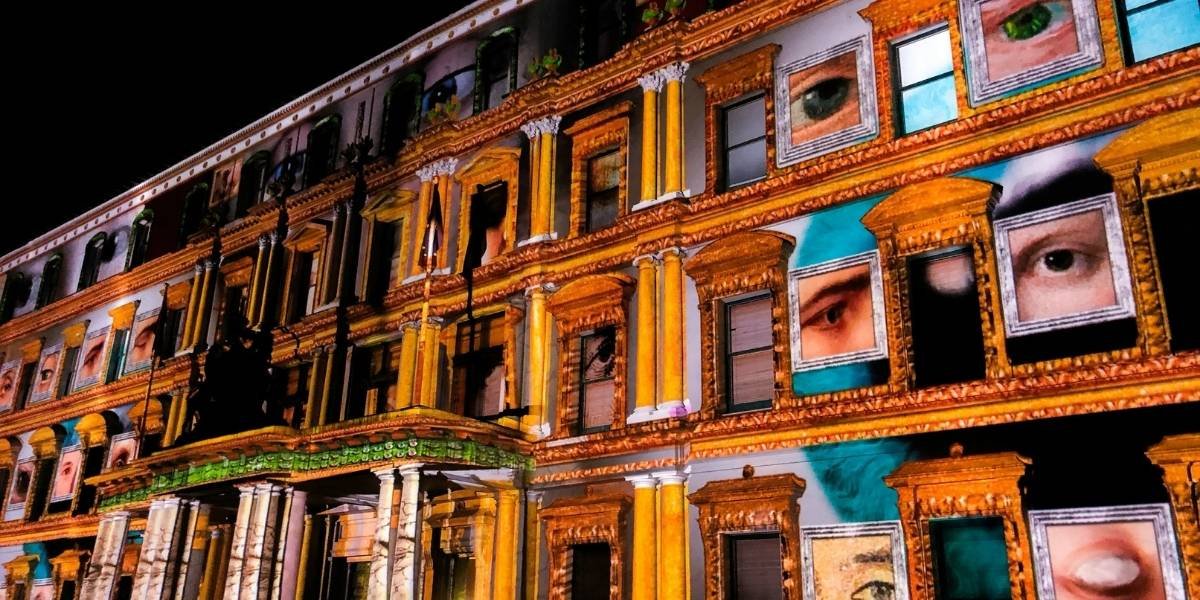
The Fremantle Biennale’s decision to transform an old hotel into an immersive art canvas is more than just a visual experience — it’s an artistic resurrection. The hotel, once bustling with life, now stands in quiet decay, a reminder of a different time. The artists selected for this year’s Biennale are working with the very bones of the structure, using its crumbling walls, eerie hallways, and hidden corners as the canvas for their work. In doing so, they’re not just creating art; they’re reviving a piece of history, giving it new meaning and relevance.
This process of reclaiming abandoned spaces is a hallmark of contemporary art movements across the globe. Cities like New York, Berlin, and Los Angeles have seen similar projects where artists turn empty, forgotten locations into dynamic works of art. In the case of the Fremantle Biennale, the eerie, haunted nature of the hotel adds an element of intrigue and drama. As visitors move through the installation, they are transported into an otherworldly experience that merges the past, present, and future.
Immersive Art: Blurring the Line Between Reality and Fantasy
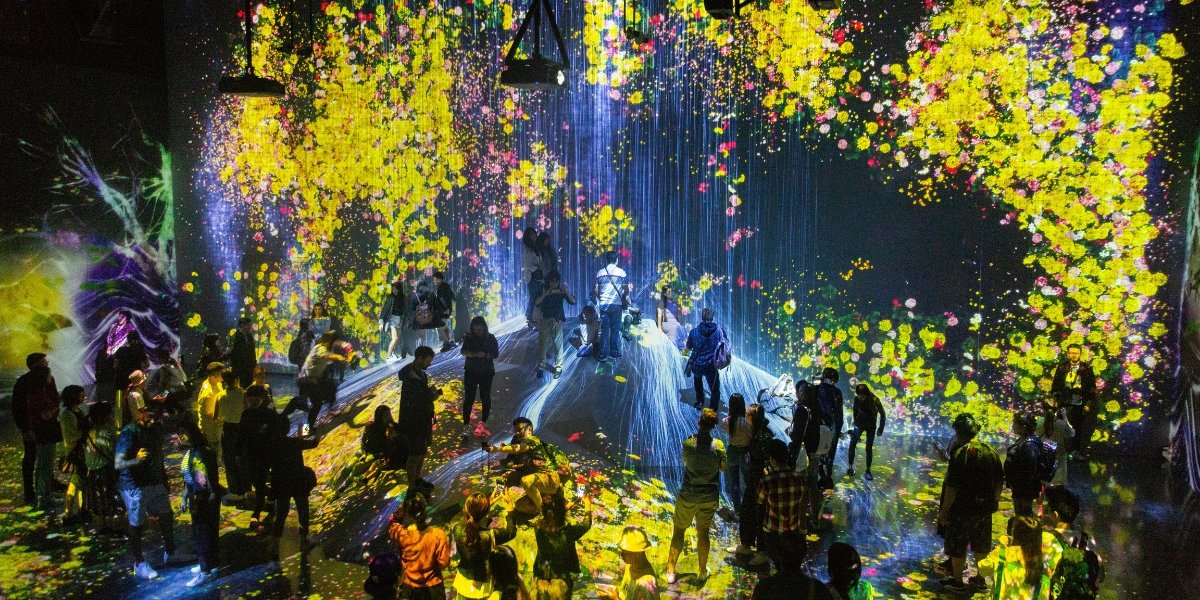
Immersive art is a rising force in the global art scene, and the Fremantle Biennale is tapping into this movement with full force. The artists involved are not just creating static pieces; they’re engaging with the architecture itself. Rooms and hallways are transformed into sensory experiences, with sound, light, and even scent playing crucial roles in creating an atmosphere of mystery and wonder.
One of the most striking features of immersive art is its ability to blur the line between reality and fantasy. Visitors are no longer passive observers; they are part of the artwork. This approach to art encourages deeper interaction and reflection. At the Fremantle Biennale, this is taken to the next level, as the haunting atmosphere of the hotel adds a layer of psychological depth. The space itself becomes a character in the narrative, influencing how visitors perceive the works on display.
The Haunted Hotel: A Symbol of Change and Rebirth

Photo Credit: Unsplash.com
The theme of transformation is central to the Fremantle Biennale’s reimagining of the haunted hotel. As the artists breathe new life into the space, they also give a nod to the hotel’s storied past. The very notion of a “haunted” hotel speaks to the passage of time, the memories left behind, and the cycles of decay and renewal. In a world where everything seems transient, art has the power to anchor us in a moment, offering a sense of permanence in an ever-changing world.
In many ways, this transformation mirrors the evolution of the Fremantle Biennale itself. The Biennale started as a small, local event but has grown into one of the most important cultural festivals in the region. By choosing to work with such a powerful and evocative space, the Biennale is making a statement about its own growth and the role of art in shaping cultural narratives.
A Global Stage for Local Talent
The Fremantle Biennale isn’t just a celebration of international artists; it’s also a platform for local creatives to showcase their work on a global stage. Many of the artists involved in the hotel installation are based in Western Australia, bringing a unique perspective to the project. Their work reflects the diverse artistic talent of the region while also engaging with global art trends.
As the world becomes increasingly interconnected, events like the Fremantle Biennale are crucial in providing local artists with opportunities to engage with international audiences. The immersive hotel installation serves as a symbol of the global nature of contemporary art and the ways in which local artists can influence and shape global movements.
The Future of Immersive Art in Australia
The Fremantle Biennale’s haunted hotel installation is a bold step forward for Australia’s immersive art scene. As the country’s art festivals grow in prominence, the Biennale’s commitment to innovative, site-specific installations will likely inspire future generations of artists. It’s a reminder that art is not just confined to galleries and museums — it can take place anywhere, even in the most unexpected locations.
This exhibition also highlights the importance of engaging with public spaces. By transforming an abandoned building into a canvas, the Fremantle Biennale is challenging traditional notions of where art can and should be experienced. It’s a call to artists everywhere to rethink the spaces they use, encouraging them to look at their surroundings in new and creative ways.
A Unique Cultural Moment
The Fremantle Biennale’s haunted hotel installation offers a rare and captivating glimpse into how art can transform not only a physical space but also the way we experience the world around us. It’s a powerful reminder that art is not just about aesthetics; it’s about creating experiences that resonate on a deeper level. As immersive art continues to evolve, the Fremantle Biennale will undoubtedly remain a key player in this exciting, boundary-pushing movement.