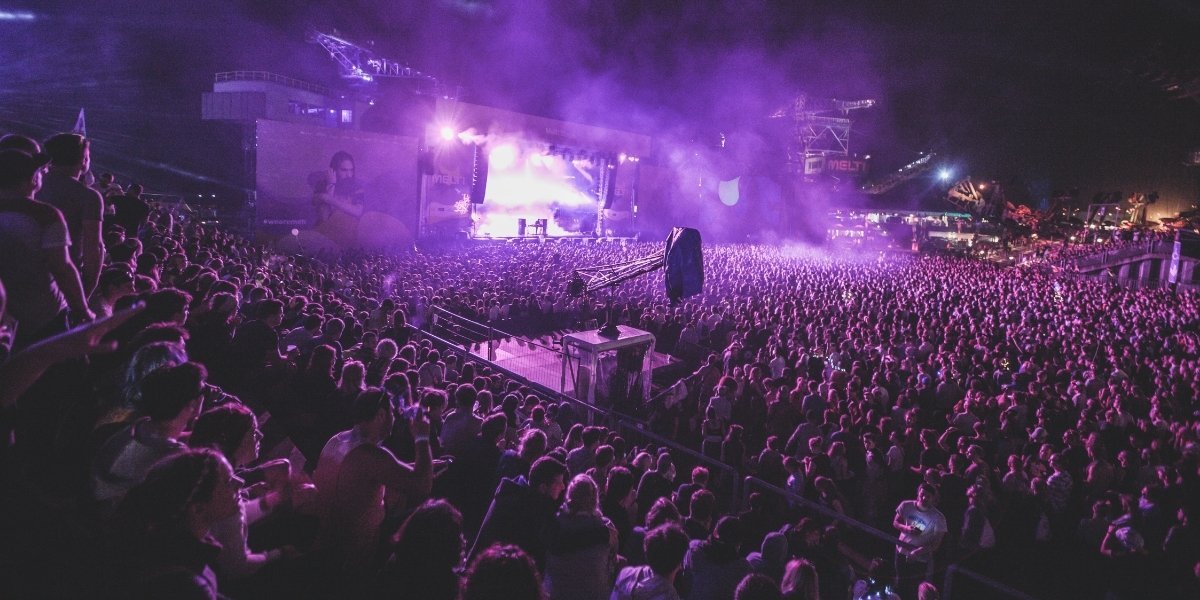

Reunion performances by iconic boy and girl groups have become major cultural and commercial events in 2026, drawing fans old and new to celebrate music that helped define generations. These comeback moments extend beyond nostalgia, blending classic hits with fresh material, multi‑generational appeal, and expansive global tours. For many artists, reunions reaffirm relevance, drive massive ticket and merchandise sales, and spotlight music communities around the world.
Major planned and ongoing reunions reflect how deeply these groups still resonate. K-pop powerhouse BTS is staging a full‑group comeback in spring 2026 with a new album and anticipated world tour, marking the band’s first collective activities since completing mandatory military service. Demand has been so high that additional tour dates, including extra U.S. shows, were added to accommodate fans.
In addition to BTS, other legendary acts are also revisiting reunion stages. Destiny’s Child reunited for a surprise medley during the final night of Beyoncé’s major tour in Las Vegas, reconnecting with fans years after their last group performances. Meanwhile, speculation and public interest around potential anniversary reunions for groups like the Spice Girls persists into 2026.
Nostalgia Remains a Core Driver of Reunion Appeal
The emotional power of nostalgia continues to fuel the success of reunion shows. For many fans, the music of beloved groups defined significant periods of their lives — from youth celebrations to shared memories at concerts, parties, and road trips. Hearing these songs live again triggers strong emotional responses and encourages multi‑generational attendance.
Reunions also serve as cultural touchstones. When groups return to the stage, their performances become shared experiences that bridge age gaps, bringing together longtime fans who grew up with the music and younger audiences discovering those hits for the first time. The communal aspect — from fan meetups outside venues to social media celebrations — amplifies the impact, making these events more than just concerts.
Blending Classic Hits with New Creations
Successful reunion performances balance reverence for classic tracks with the introduction of new music. For artists like BTS, the return in 2026 includes not only performances of beloved songs from earlier in their career but also brand‑new material tied to their upcoming album release. This approach keeps setlists dynamic and signals artistic evolution rather than mere retrospection.
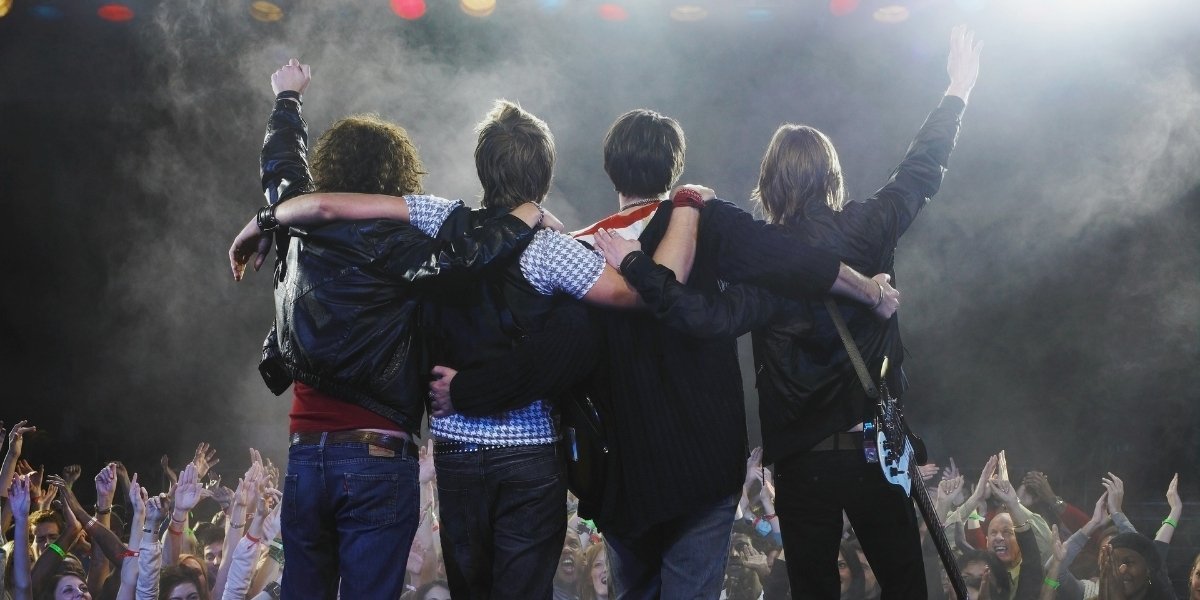
Photo Credit: Unsplash.com
Integrating new songs helps attract broader audience segments. Younger listeners who may be more familiar with current pop and K‑pop trends can connect with updated sounds, while older fans appreciate a fresh evolution of the artists they’ve followed for years. When well executed, this blend enhances the concert experience, encouraging streaming, media coverage, and renewed interest in archived catalogs.
Evolving Production and Performance Styles
Reunion performances today are markedly different from the original shows decades earlier, with advanced production technologies playing a central role. Elaborate staging, sophisticated lighting systems, immersive visual effects, and 360‑degree production setups are now common, elevating live experiences far beyond what was available during earlier career peaks.
New tours also reflect years of individual growth among group members. Many artists return with expanded skills in performance, choreography, and stage presence, resulting in shows that honor original identities while embracing contemporary performance standards. This evolution enriches shows for both longtime followers and newer fans, making reunion tours major news events that attract extensive media coverage.
Fan Engagement and Global Community Momentum
Reunion performances also thrive on community engagement, particularly in an era where social media accelerates fan interaction and excitement. Fans across continents organize around shared enthusiasm, exchanging memories, posting concert updates, and even coordinating fan‑generated content that trends online before and after performances.
Many groups actively leverage digital engagement strategies as part of reunion campaigns. Behind‑the‑scenes content, fan Q&A sessions, and interactive social media events help deepen the bond between artists and their audiences, encouraging not just attendance but ongoing participation in fan communities. This engagement extends beyond individual shows, contributing to sustained buzz months before tours launch.
Commercial Success and Strategic Comebacks
Behind the artistic and emotional appeal of reunion performances is a substantial business engine. Well‑planned comebacks often involve extensive coordination among artists, management teams, record labels, and promoters. Financial stakes include high‑demand ticket sales, catalog streaming surges, merchandise revenue, and sometimes lucrative brand partnerships tied to anniversary milestones or tour sponsorships.

Photo Credit: Unsplash.com
The strategic timing of reunions can maximize impact. For example, the 2026 wave of comebacks — particularly in K‑pop — is notable for the overlap of multiple major groups planning returns in the same year, creating intensified global attention. Beyond BTS, other K‑pop heavyweights including EXO, BLACKPINK, and BIGBANG are poised to deliver group activities and festival appearances that fuel both fan demand and industry momentum.
Reunion tours also often spark catalog rediscovery, leading to renewed streaming and sales of earlier hits. In addition, anniversary editions of classic albums or deluxe releases tied to reunion promotion further deepen commercial impact and extend media coverage.
Reunions as Cultural Moments and Industry Benchmarks
Collectively, boy and girl group reunions in 2026 are shaping up as defining moments in global music culture. They underscore the enduring influence these artists have across generations, genres, and geographic boundaries. Whether through high‑profile world tours, surprise performances at major concerts, or multi‑city reunion runs, these comeback events highlight the lasting power of group identities in contemporary music.
For fans, these performances are not just retrospectives but celebrations of how music lives on, continually reinvented and rediscovered. The surge of reunions scheduled for 2026, combining legacy acts with fresh creative energy, reflects a broader trend in the music industry: honoring the past while innovating for the future, making reunion stage moments some of the most anticipated events on the live music calendar.