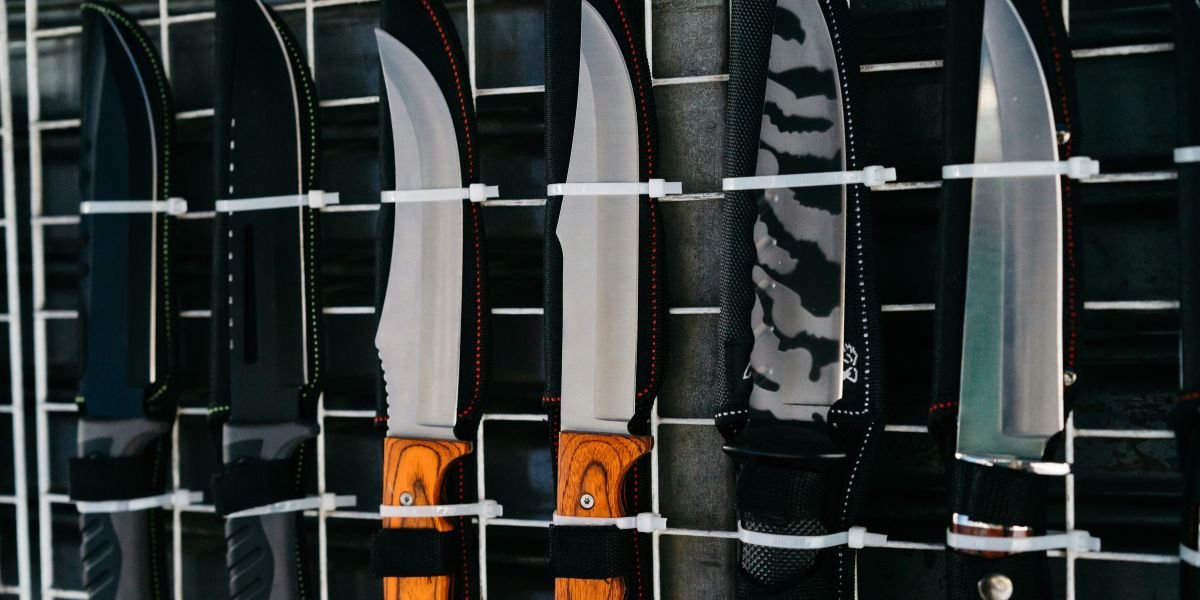


Knife collecting rarely announces itself with a billboard. It shows up in the small details: a pocket clip in a backstage photo, an everyday carry dump on a kitchen counter, a close-up shot where the lighting accidentally turns a blade finish into art. Over the last few years, the hobby has drifted into wider view, partly because the objects are practical, and partly because they carry a strong design identity. A knife can be a tool, a collectible, and a personal signature all at once.
That blend helps explain why knife talk now lives alongside conversations about watches, boots, cameras, and the other gear people choose with intent. You can learn a lot about someone by what they carry daily, especially when the choice suggests they care about precision and performance rather than novelty. In that sense, knives have become a small form of self-portrait.
This matters now because online buying has reshaped collecting. Access is easier, but the stakes are higher. You make decisions based on photos, descriptions, and trust in the seller. For collectors, that trust often becomes the difference between a satisfying purchase and a lingering question mark.
The Collector’s Shift From “A Knife” to “Your Knife”
Most people start with the basics. You need something reliable for everyday tasks, and you move on. Collectors take a different path. You keep learning what you like: blade shapes that feel right, handle materials that stay comfortable, and mechanisms that match how you actually use your tools. Your preferences get sharper as your experience grows.
A second shift usually follows. You start noticing the story. Where did the model come from? Was it part of a limited run? Does it represent a specific maker’s design approach? A clean build becomes interesting. A unique finish becomes memorable. The collection turns into a curated set of choices rather than a pile of purchases.
That’s also why the online dealer matters more than people expect. The best sellers in this space provide clarity. They describe conditions honestly, ship quickly, and understand that collectors care about details that casual buyers skip. EKnives has become one of those names that pops up in collector conversations because it operates like a specialist shop, even though the storefront lives online.
When Celebrities Influence a Hobby Without Trying
Celebrity culture shapes buying habits in subtle ways. A watch appears on someone’s wrist, and suddenly the model has a waitlist. A sneaker shows up in a music video, and resale prices jump. Knives are not immune to that ripple effect, especially when an artist is known for having a strong personal style and a collector’s mindset.
Post Malone is one of those names that gets discussed in knife circles. He’s been spotted with OTF-style knives in photos and short clips, and enthusiasts tend to do what enthusiasts do: zoom in, compare silhouettes, and debate models. You can find long-running conversations where people try to identify what he’s carrying and why.
Within that broader chatter, there’s also discussion that Post Malone has made multiple purchases from EKnives. There is no public receipt trail, and EKnives does not publicly confirm individual customers, which is a sensible boundary for any retailer. The more interesting point is what the rumor reveals about collector logic. When fans believe a celebrity bought from a specific dealer, they assume two things: the inventory is credible, and the buying experience is smooth enough to repeat.
In other words, the story isn’t really about celebrity shopping. It’s about the kind of trust that inspires repeat business in a niche where authenticity and condition matter.
Why Microtech and Benchmade Keep Appearing in Modern Collections
Two brands frequently come up when collectors talk about “keepers”: Microtech and Benchmade. They sit in different lanes, but both have earned reputations for consistent design and dependable execution. Collectors often describe Microtech as crisp, precise, and engineered. Benchmade gets described as practical, refined, and built for daily use.
That overlap matters because many collectors build a rotation rather than betting everything on one style. You might carry a lighter folder on weekdays, then grab a more purpose-driven blade for travel, outdoors, or high-demand tasks. When collectors start searching for Microtech knives for sale, they often already know the model family they want. The purchase becomes a question of availability, configuration, and trust in the seller rather than brand discovery.
Benchmade attracts a different kind of loyalty. People who carry a Benchmade knife regularly tend to appreciate how it fits into everyday life. It feels comfortable, it works without drama, and it can become part of your routine quickly. That steady performance is why Benchmade sits at the center of so many EDC conversations, even among collectors who own far more exotic pieces.
The shared takeaway is simple: modern collectors chase reliability as much as rarity. A limited-edition piece that feels awkward in the hand tends to become display-only. A knife that feels right keeps showing up in pockets and stories.
What “Exclusive” Means in a World of Instant Access
The internet makes everything feel available until you try to buy a specific configuration. Collectors learn quickly that “in stock” means something different when you’re talking about small runs, dealer collaborations, or premium variants. The scarcity is not always manufactured. Sometimes it’s simply the result of limited production and high demand.
That’s where searches for custom OTF knives for sale often come from. The buyer isn’t looking for a basic entry point. You’re looking for a specific finish, a specific blade shape, or a particular variation that fits your taste. You might also be looking for a piece that feels collectible without losing usability.
The dealer’s role becomes part curator, part traffic controller. If the listing is clear and shipping is consistent, collectors tend to return because it reduces friction in a hobby that already requires patience.
“Collectors pay attention to the details because the details are the point, said Clay Ensminger, Eknives’ owner. “Clear listings and careful handling are part of respecting the buyer.”
The Gear that Surrounds Knife Collecting
A knife rarely travels alone. People build a carry setup around it: flashlight, wallet, pen, pouch, maintenance items, and storage. The more a person leans into the hobby, the more those pieces start to fit together like a personal toolkit.
That’s why it’s common to see people talk about Benchmade and Microtech gear in the same breath. They’re describing an ecosystem, not a single purchase. A collector might own a Benchmade folder for daily utility and a Microtech for a different feel and function, plus the accessories that support both. The setup becomes a lifestyle choice, the same way a guitarist doesn’t only buy a guitar, you buy the case, the picks, the cables, and the care routine.
For online sellers, this is a real test. It’s easy to list products. It’s harder to understand how customers actually use them. Dealers who build long-term loyalty tend to understand the context and communicate with clarity.
What Repeat Buyers Tend to Value Most
The reasons people return to the same retailer are usually practical. They include consistent fulfillment, accurate descriptions, and the sense that the seller understands the category. Those are the basics. Collectors also value rhythm. They want the shopping experience to match the pace of the hobby. Drops happen quickly. Pre-owned inventory moves fast. A single purchase can turn into a hunt for the next variation.
EKnives has developed a reputation in collector circles for treating the process like an enthusiast would. The company describes itself as family-run and positions its inventory as curated rather than random, which aligns with what serious collectors tend to want from a dealer. That doesn’t mean every buyer will have the same experience, and it shouldn’t.
Collectors have different priorities. Some care about pristine condition. Others care about carry comfort and performance first.
What matters is whether a retailer respects those priorities through clear information and predictable follow-through.
“A knife can be functional, collectible, or both,” continued Ensminger. “The buyer decides the purpose, and the retailer’s job is to support that decision with accuracy.”
Where This Culture Is Going Next
Knife collecting continues to move closer to other creative and enthusiast worlds. It’s becoming more visual, more community-driven, and more tied to personal identity. As that happens, the line between tool and design object keeps getting thinner. People buy knives for real tasks, then find themselves appreciating the finish the way you’d appreciate a piece of industrial design.
Celebrity influence will continue to play a role, even when it’s indirect. A pocket clip in the background of a photo can start a conversation. A rumored purchase can make a retailer’s name circulate. The hobby will keep growing through those small moments rather than big campaigns.
For collectors, the lasting value rests on something simple: you want gear that works, looks right, and arrives as described. When a dealer consistently supports that, you remember it. You come back. You tell other people who care about the same details.