
The 2000s were a pivotal decade for music, marked by transformative changes in production, genre fusion, and the rise of digital platforms. With the advent of new technologies, musical artists began to experiment with beats and rhythms, resulting in iconic tracks that are still influential today. From the gritty snares of hip-hop to the infectious pop melodies that dominated the charts, the beats of the 2000s are etched into the collective memory of music fans.
This takes a deep dive into the signature beats that defined the era, exploring how they shaped the sound of the 2000s and continue to influence music today.
The Rise of Hip-Hop and R&B: Drum Machines and Synths Lead the Way
In the early 2000s, hip-hop and R&B saw a dramatic evolution, with producers like Timbaland, Pharrell Williams, and Kanye West pushing the boundaries of sound. The use of drum machines, synthetic sounds, and innovative sampling techniques defined the era’s beats.
Timbaland’s work on Missy Elliott’s Get Ur Freak On is one of the standout examples of this innovative production. The track’s sharp, punchy snare hits, combined with its eerie, syncopated rhythm, created a soundscape that was unlike anything heard before. This type of production became a signature style in the genre, with many artists trying to replicate the hard-hitting beats that made Timbaland a household name.
Pharrell, with his Neptunes production duo, also carved out a distinct sound during this time. Tracks like Drop It Like It’s Hot by Snoop Dogg showcased Pharrell’s minimalistic yet powerful approach, where a simple, laid-back beat with a catchy hi-hat rhythm became the backbone of the track. This style, often referred to as “dirty south” or “clique beats,” became the dominant force in mainstream hip-hop throughout the 2000s.
Signature 2000s Beat Influence in Modern Tracks
Even in today’s music, we hear the echoes of these 2000s beats. Producers and artists like Travis Scott and Kendrick Lamar continue to draw inspiration from these experimental sounds, incorporating elements of trap, which can trace its roots directly back to the sonic landscapes of the 2000s.
Pop Music’s Catchy Hooks and Danceable Rhythms
While hip-hop and R&B dominated the airwaves, the 2000s also saw pop music undergo a significant transformation, with beats becoming more rhythmic and electronic. The late 90s and early 2000s ushered in a more dance-centric sound, heavily influenced by European house and trance music, which took over the mainstream charts.
Max Martin, the mastermind behind hits by Britney Spears, Backstreet Boys, and NSYNC, revolutionized pop with his melodic yet beat-heavy style. …Baby One More Time is a prime example of how infectious beats could carry a pop song. The track’s upbeat rhythm, paired with its catchy piano riff and memorable hook, was the perfect combination for radio play, and it remains one of the most iconic songs of the era.
The early 2000s also saw the rise of electronic dance music (EDM) influences in pop. Artists like Madonna and Kylie Minogue embraced house and euro-dance elements, with pulsating basslines and thumping kicks driving the rhythm. The influence of house music and techno is evident in songs like Madonna’s Hung Up, which features a relentless, disco-inspired beat that helped it become a global hit.
Modern Pop Beats: Throwback Influences in Today’s Hits
Artists like Dua Lipa and Lady Gaga continue to channel the energy of these dance beats. The use of throwback 2000s rhythms is prevalent in tracks such as Levitating and Rain on Me, which reintroduce the upbeat, funky vibe of the early 2000s with a modern twist.
The Evolution of Rock and Punk: Fusing with Hip-Hop

Photo Credit: Unsplash.com
The 2000s also saw a unique blending of genres, particularly in rock and punk music. Bands like Linkin Park and Limp Bizkit brought hip-hop influences into the rock sphere, creating a hybrid sound that resonated with young audiences. The beats in their tracks were crucial to their success, with heavy use of electronic production layered over rock instrumentation.
Linkin Park’s In the End exemplified this fusion, with its driving hip-hop-inspired drum loops and synth elements, paired with a catchy chorus and guitar riffs. The track’s success was partly due to the innovative approach to production, which combined the energy of rock with the rhythmic pulse of hip-hop, creating an entirely new musical experience.
The Impact of Genre Blending on Today’s Music
Today, this genre-blending continues to thrive in the mainstream music scene. Artists like Twenty One Pilots and Post Malone are carrying on the tradition of fusing hip-hop and rock, showing that the experimental beats of the 2000s are still influential in shaping the modern sound.
The Digital Age and Sampling Culture
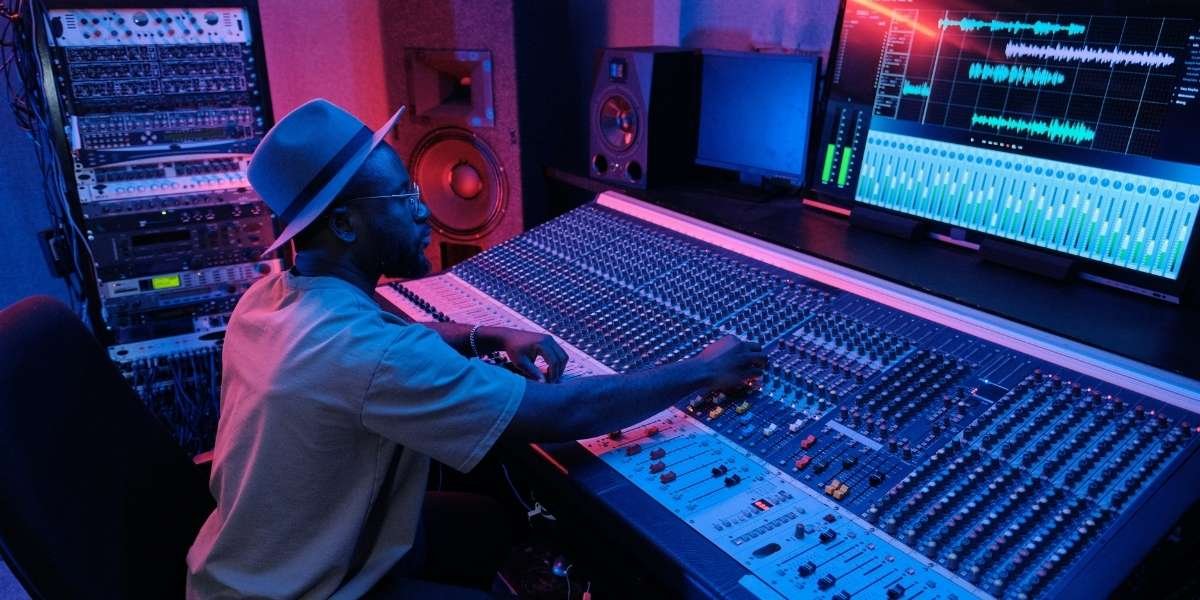
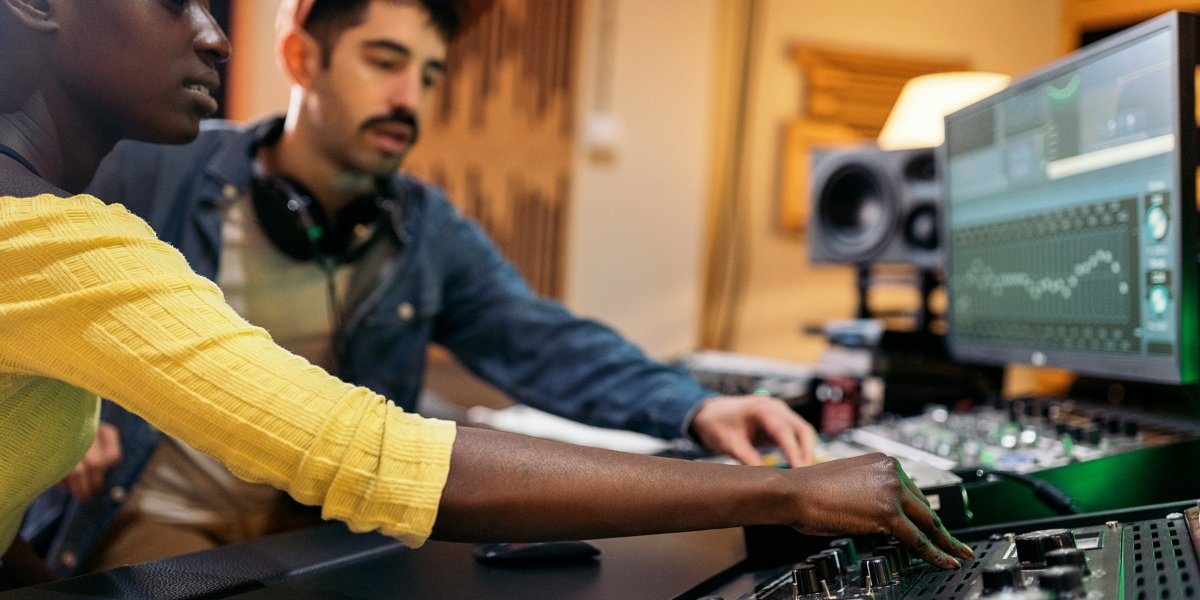
The digital age revolutionized music production in the 2000s. With the rise of digital audio workstations (DAWs) like Pro Tools and Logic, producers were able to manipulate beats in ways that were previously impossible. This period saw the rise of extensive sampling and the birth of new sub-genres like electronic and indie dance.
Artists began to sample everything from classic rock to obscure jazz, creating intricate sound collages. The use of sampling became so prevalent that it shaped the very identity of the 2000s music scene. Daft Punk’s Harder, Better, Faster, Stronger is a prime example of how a well-crafted sample can elevate a song to cultural prominence. The track’s looping beat, coupled with its robotic vocals, became one of the most recognizable beats of the decade.
The Legacy of Sampling in Modern Production
Sampling remains a vital tool for producers today, with artists like Kanye West and J. Cole frequently drawing from the archives of music history to create new hits. The evolution of digital production technology has allowed for even more intricate sampling, resulting in some of the most groundbreaking music of the 2010s and beyond.
Conclusion: 2000s Beats in the DNA of Modern Music
The signature beats of the 2000s laid the groundwork for much of today’s popular music. Whether it was the hard-hitting drum patterns of hip-hop, the infectious dance rhythms of pop, or the genre-blending sounds of rock, these beats left an indelible mark on music culture. As artists continue to experiment and innovate, the legacy of the 2000s sound can still be heard in the tracks that dominate today’s charts.