
Fossil fuels have been the backbone of global energy production for centuries, powering industries, transportation, and economies. However, as we push for a more sustainable future, it’s crucial to examine how fossil fuels impact not only our environment but also the creative industries that shape culture and society. This guide takes you through the lifecycle of fossil fuels—from their extraction and use in energy to their environmental consequences—and explores how this transformation influences the creative and cultural landscape.
The Evolution of Fossil Fuels: From Energy to Industry
Fossil fuels, including coal, oil, and natural gas, have fueled industrial progress since the 18th century. These energy sources have been integral to powering factories, transportation networks, and electricity grids worldwide. However, this reliance on fossil fuels has not been without consequence. As we move into an era where sustainability and creativity drive many industries, the environmental impacts of fossil fuels are becoming more apparent.
The extraction of fossil fuels, particularly coal and oil, has led to significant ecological disturbances. Oil spills, habitat destruction, and deforestation are just a few of the environmental challenges tied to fossil fuel production. Despite this, fossil fuels continue to power everything from massive shipping industries to everyday urban transport, including cars, trucks, and trains.
As the global demand for energy increases, so does the pressure on the creative industries to adapt and reimagine how art, culture, and technology can coexist with a planet grappling with climate change.
How Fossil Fuels Affect the Environment
The environmental consequences of fossil fuels are well-documented. Combustion of fossil fuels releases carbon dioxide (CO2) and other greenhouse gases, which contribute to global warming and climate change. This increase in atmospheric CO2 has been linked to the rise in global temperatures, erratic weather patterns, and rising sea levels. Furthermore, the mining process of fossil fuels often involves harmful methods like mountaintop removal, leading to deforestation and soil erosion.
Beyond these tangible effects, fossil fuels also affect air and water quality. Natural gas extraction, for example, contributes to methane leaks, which have a much higher global warming potential than CO2. This has sparked an ongoing debate about the role fossil fuels should play in a sustainable future, as well as how industries—especially those in creative sectors—are changing to address these impacts.
For industries like film, visual arts, and music, the environmental footprint of production can often be overlooked. Yet, the demand for energy-intensive technology in film production, such as special effects and lighting, or the global tours of musical acts, has a significant environmental cost. These industries, increasingly aware of their carbon footprints, are actively seeking more sustainable ways to operate.
Fossil Fuels and the Creative Industries: A Cultural Shift
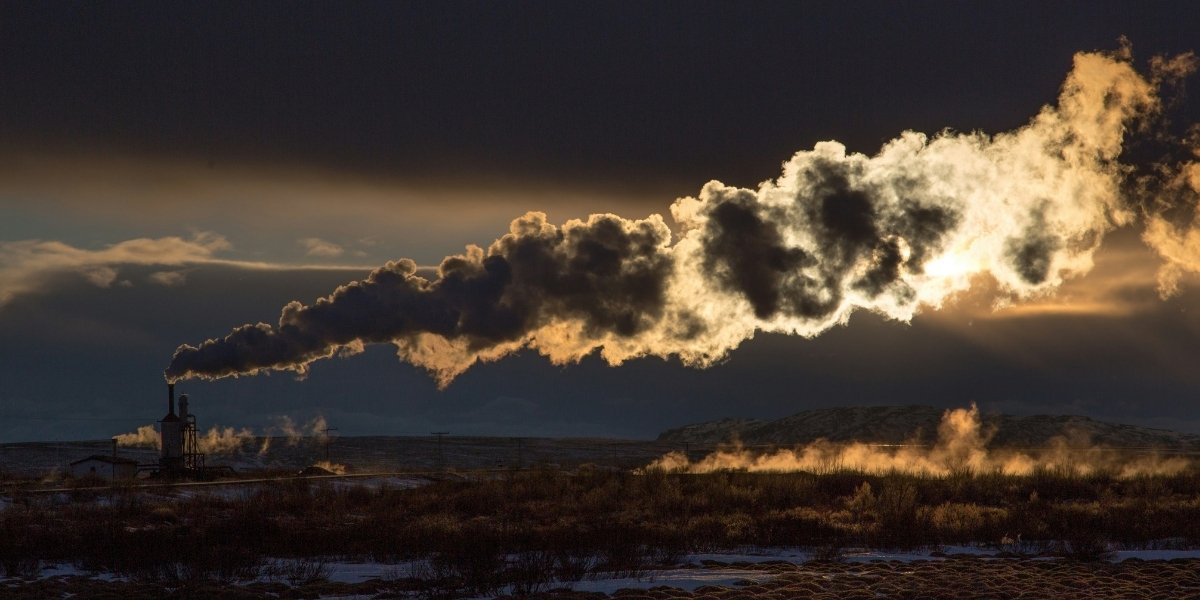
Photo Credit: Unsplash.com
The connection between fossil fuels and the arts might not seem obvious at first, but the shift towards environmental awareness is transforming cultural sectors. Artists, musicians, and filmmakers are increasingly using their platforms to highlight the importance of environmental sustainability.
For example, visual artists are exploring climate change as a theme in their works, using installations, sculptures, and paintings to raise awareness about fossil fuel extraction and its environmental toll. Films and documentaries like Before the Flood and An Inconvenient Truth have ignited discussions in the public sphere about how we consume energy and its global effects.
Musicians, too, are pushing boundaries with eco-friendly tours. Major acts like Billie Eilish and Coldplay have made significant efforts to reduce their carbon footprints while on tour. Coldplay, for instance, announced that their 2022 tour would be powered by sustainable energy sources, making strides toward greener music production. These efforts are changing the dynamics of entertainment, where sustainability now plays a key role in how creators approach their craft.
As the art world evolves, it’s clear that fossil fuels are no longer seen as the unchecked resource they once were. The challenge for creatives now is to balance artistic expression with a commitment to environmental responsibility.
The Future of Fossil Fuels in a Creative World
The future of fossil fuels, and their relationship to the creative industries, hinges on how both the public and private sectors embrace sustainable solutions. There’s a growing shift toward renewable energy sources, including wind, solar, and hydroelectric power, which are replacing fossil fuels in many energy grids worldwide. The transition to these cleaner forms of energy is not just a technical challenge; it’s also a cultural one.
Incorporating eco-consciousness into creative projects will become increasingly important as the pressure to reduce environmental harm rises. As artists continue to challenge conventions and create works that inspire change, we may begin to see a more profound integration of sustainability in artistic expression. This could include designing with eco-friendly materials, producing films with lower carbon footprints, and using renewable resources to power exhibitions and concerts.
In fact, many creative agencies and companies are now developing carbon-neutral initiatives, demonstrating how the arts can lead by example in reducing the reliance on fossil fuels. While fossil fuels will likely continue to play a role in global energy production for some time, it’s clear that the cultural sector will play a significant part in the ongoing conversation about the environmental future of our planet.
A New Era of Artistic Innovation
The connection between energy, environment, and art is rapidly evolving. As fossil fuels remain entrenched in global energy systems, artists and creators are responding by reimagining their role in a world that demands sustainable practices. From environmental advocacy to reducing carbon footprints in production, the creative industries are poised to lead a cultural revolution that champions a cleaner, greener future.
Artists and creators are setting the stage for a cultural shift that blends innovation with environmental responsibility, using their platforms to rethink how fossil fuels impact not only our world but also the stories we tell.
By reimagining their connection to the planet, creatives are showing the world that the art we make today will define the world we live in tomorrow.