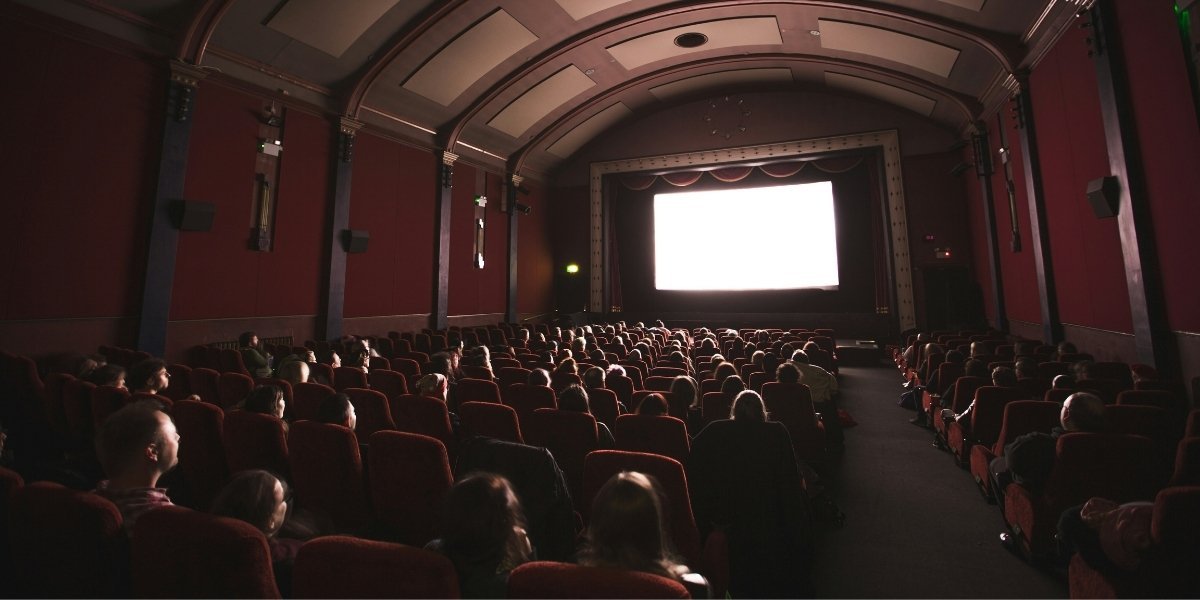

Classical training remains one of the most effective means of developing discipline and ear conducive to a career in music. Young individuals who learn an instrument over several years exhibit enhanced memory and language development. Additionally, involvement in an orchestra is correlated with increased cooperation and attention. In the United States, youth orchestras for advanced musicians give thousands of children and adolescents the unique chance to receive technical instruction and participate in large group experiences in public performance. An example of this type of opportunity is the Contemporary Youth Orchestra, located in Cleveland, Ohio, since 1995, and known for its unique aspect of youth and adult musicians performing together in the orchestra.
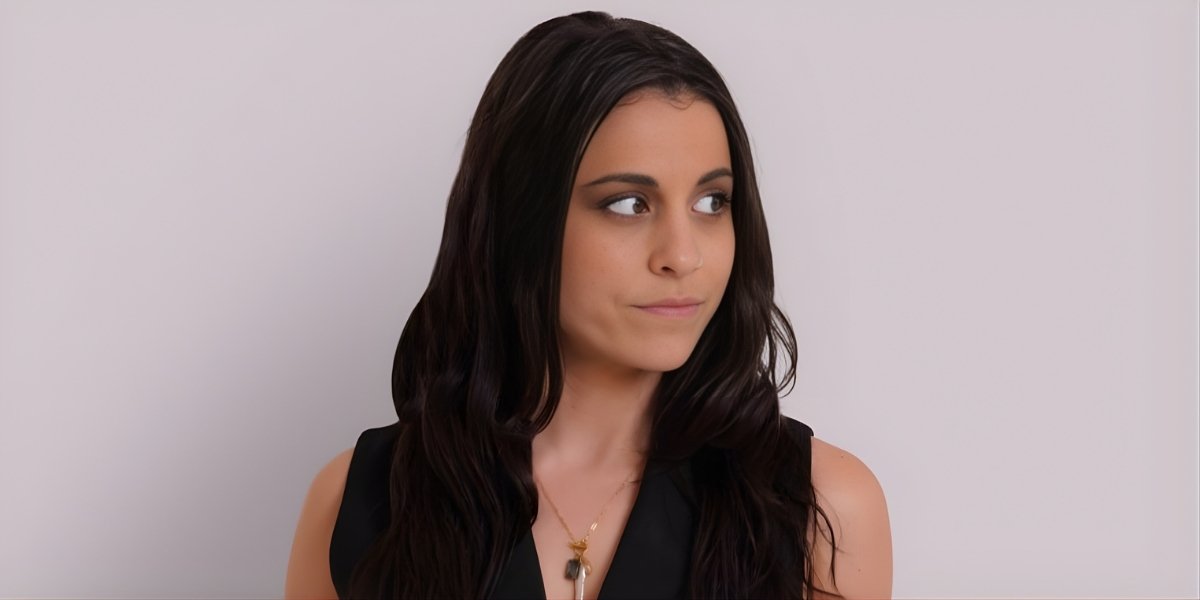
In this environment, Lesley Ray built a foundation that would serve her far beyond her musical abilities. She was born on January 13th, 1989, in Cleveland, Ohio, and began to learn the violin when she was six, normally the same age when many professional string players begin to put in years of their life developing technique. The initial exposure to classical and contemporary literature helped develop an ear for tone and timing, which would serve her later in other creative areas.
Ray learned from conductor Liza Grossman, who introduced orchestral music to the audience with her innovative programming. Their training featured rigorous practice that combined precision and improvisation. She performed with the Contemporary Youth Orchestra, a group known for fusing rock and classical music, as an adolescent. The orchestra has collaborated with over 200 professional musicians to date, and their shows have attracted audiences that include fans of classical symphony music, as well as those of pop music.
Ray played the violin for this ensemble from 2004 to 2007, while in high school, and became part of high-profile collaborations. She performed on stage with rock vocalist Pat Benatar and guitarist Neil Giraldo, and lead vocalist of the progressive rock band Yes, Jon Anderson. She has also performed with pianist Mike Garson, who has performed most notably with David Bowie and the rock group Styx.
These concerts were popular; for instance, crowds for the orchestra’s year-round Rock the Orchestra concerts frequently number more than 1,000, according to local arts coverage reports. These performances necessitated that young players such as Ray had to quickly switch between varying styles and work with artists whose backgrounds were substantially different from the classic symphonic style.
This combination of classical discipline and contemporary camaraderie shaped Ray’s perception of sound as more than a technical exercise. Taking the stage with seasoned professionals required intense listening and an ability to accommodate each artist’s phrasing and sense of time. Contemporary Youth Orchestra colleagues have described the rehearsal-learning experience with guest artists as an education in itself, with professional standards and tight rehearsal budgets aligned with what would be encountered by a touring band or a full-time orchestra.
The skills Ray acquired during those years, sensitivity to the acoustic space, sensitivity to how the audience might respond, and the ability to integrate one’s own ability into the fabric of a larger entity, proved applicable outside of the concert hall. When she entered the field of interior design, these qualities helped her understand how sound passes through physical space and how minute variations in materials or location can alter a room’s mood.
Acoustic design is an increasingly important aspect of architecture, with research by the World Health Organization estimating that unnecessary noise will induce stress and a decline in concentration. Those designers who comprehend the relationship of structure and sound are better prepared to create spaces that support comfort and focus.
After her experience with the Contemporary Youth Orchestra in 2007, Ray went on to further education with a similar emphasis on craft that had been present in her musical education. She received her Bachelor of Science in Interior Space Design from The Ohio State University in 2012. In the summer of 2011, she studied at the University of Groningen’s Academie Minerva in the Netherlands. While these later steps marked a new direction in design, the everyday practice that would remain at the center of her work was the discipline she had learned through years of rehearsal and ensemble work.
Ray’s experiences demonstrate an overarching trend where performance skills lead to careers in other fields of creativity. Statistics released by the National Endowment for the Arts indicate that students with a strong background in music are more likely to develop creative solutions in science, technology, and design. Her career demonstrates the trend, showing how musical discipline can be applied to architectural problem-solving and client collaboration.
While her professional life redirected its focus to interior design, the sensitivities developed through being on stage with musicians of international stature continue in her work. The attunement to timing, dynamics, and harmony gained from natural performances during those early events informs her way of engaging balance and flow in a designed context, too.
From her very first violin lesson in Cleveland to collaborative performances with renowned artists, Ray’s artistic journey offers a glimpse of the lasting power of early professional training. Her journey demonstrates how the discipline of orchestral performance and the challenge of collaboration with top names in the musical world can have lasting effects on creative work in ostensibly dissimilar fields. Lesley Ray is among those who illustrate how a musical background can make an impact on a career entirely, from the kind of decisions made in design to how one hears and sees music and space years down the road.