By: Kate Sarmiento
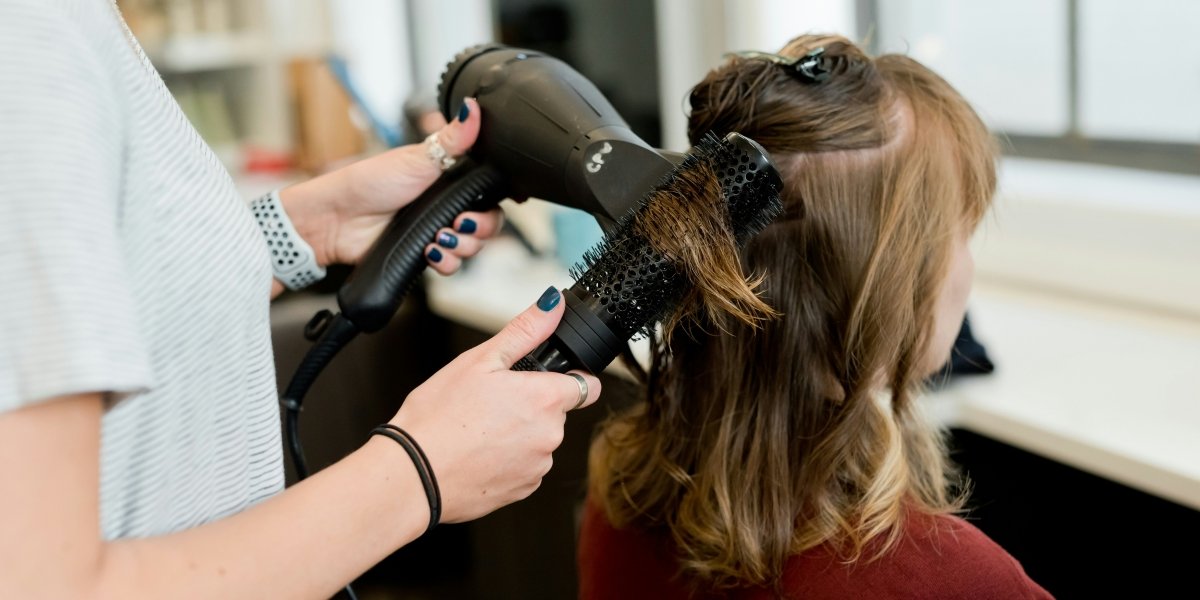
There is always one woman who looks effortlessly polished without looking overly styled. Her hair moves naturally, nothing feels stiff or overworked, and somehow the entire look feels expensive without screaming for attention. Meanwhile, somebody else clearly spent two hours trying to force perfection into existence, and the hair still looks uncomfortable by the end of the night. That difference says a lot about where beauty standards are heading right now.
For years, women were taught that glamorous hair needed to look obvious. Bigger curls meant better hair. Longer extensions meant more luxury. More volume somehow became the answer to literally everything. Social media pushed that mentality even further until beauty started feeling strangely competitive. Everybody was chasing “perfect” hair while pretending it happened naturally between coffee runs and unanswered emails. But the problem is that hair starts looking less luxurious the second it feels stressed.
Women still want beautiful hair, obviously. Nobody wakes up hoping for a bad hair day. But beauty trends are shifting toward softness, realism, and hair that actually feels connected to the person wearing it. Hair that moves naturally. Hair that still looks believable in daylight. Hair that survives dinner plans, humidity, work meetings, and random front-camera disasters without creating emotional instability halfway through the day.
That shift explains why The Lauren Ashtyn Collection has built such a loyal following among women navigating hair thinning, hair loss, hormonal changes, or simply the uncomfortable feeling of no longer recognizing themselves fully in the mirror. Lauren Ashtyn Guest and Christopher Guest built the company around helping women reconnect with themselves through handcrafted human hair toppers, luxury wigs, and personalized consultations designed to prioritize realism instead of dramatic transformation.
That emotional side of hair gets ignored constantly in beauty conversations, even though almost every woman understands it instinctively. Hair changes the way people carry themselves. A bad haircut can ruin confidence for weeks. One awkward dressing-room mirror under fluorescent lighting can trigger an unnecessary existential crisis before lunch. Women notice texture changes immediately after stress, hormones, postpartum recovery, medication, or aging, even when nobody else sees the difference yet.
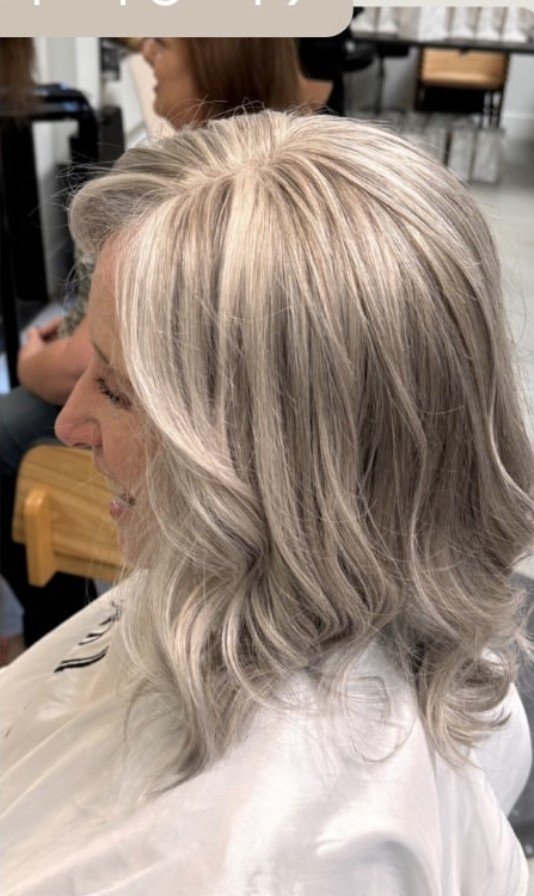
Around 40% of women experience visible hair loss by age 40, and many describe feeling less confident socially and professionally afterward because hair affects much more than appearance alone (Source: National Library of Medicine, 2021). Many women dealing with thinning hair also admit they constantly think about lighting, scalp visibility, and how their hair appears throughout the day, especially in photos or bright public spaces (Source: Cleveland Clinic, 2024). That level of awareness becomes mentally exhausting because hair anxiety quietly follows women into completely ordinary situations that should not feel emotionally complicated in the first place.
The beauty industry spent years convincing women that transformation should always be the goal, when most women are not actually trying to become somebody else. They want to look polished, rested, elevated, maybe slightly expensive, but still recognizable. Nobody wants hair that enters the room before they do.
That softer, more realistic approach to beauty has quietly become the real luxury now because subtle confidence almost always looks richer than obvious effort.
Looking “Done” Has Started Feeling Slightly Outdated
Beauty trends move fast, but exhaustion moves faster. Women are getting tired of beauty routines that feel performative instead of wearable. Hair especially became trapped inside this strange cycle where everything needed to look camera-ready at all times. Huge curls. Dense extensions. Overstyled volume. Hair that photographs beautifully online but feels oddly disconnected from actual human life.
The issue is not glamour itself because women will always love glamour. The issue is when beauty starts looking uncomfortable.
Hair designed mainly for social media rarely survives real life gracefully. What looks amazing inside a ring light can suddenly look stiff, heavy, or overly sculpted under restaurant lighting at 7 p.m. Women notice these things immediately because women are deeply observant about beauty. They notice when the density looks too thick near the crown. They see when the color feels flat. They notice when somebody’s hairline looks too sharp or overly perfect in a way that real hair simply does not behave naturally.
That growing preference for realism explains why customization matters so much now inside luxury hair design.
The Lauren Ashtyn Collection approaches hair differently because the company was created by stylists who understand how emotional hair can become for women. Lauren Ashtyn Guest grew up inside salon culture alongside her mother, Tracey Tinsley, long before building the brand around its handcrafted hair toppers and luxury wigs. That background still shapes how the company approaches consultations, customization, fit, and styling today.
Every woman’s relationship with hair is different, which means realistic hair can never operate on copy-and-paste beauty standards. A woman navigating postpartum shedding needs something entirely different from somebody recovering confidence after medical hair loss. Somebody wanting softer framing around the temples has different concerns from somebody rebuilding fullness throughout the crown.
Good hair design starts with understanding the woman first. That difference becomes obvious through details most people cannot technically explain but still recognize visually. The density feels lighter and more natural near the hairline. The movement looks believable. The color reflects dimension instead of sitting flat under indoor lighting. The hair works with somebody’s face instead of overwhelming it.
The best luxury hair usually blends so naturally into somebody’s appearance that people notice the woman before they notice the hair itself. Honestly, that might be the chicest thing possible now.
The Women Everyone Thinks Are “Naturally Beautiful” Usually Have Very Good Hair
People love complimenting women by calling them naturally beautiful while completely ignoring the amount of thoughtful maintenance quietly supporting the illusion. Great hair changes everything. It softens facial features, shifts posture, changes confidence, and affects how somebody moves through a room socially.
The difference is that believable hair rarely looks obvious. That subtlety matters emotionally for women dealing with thinning or hair loss because most are not searching for dramatic reinvention. They are searching for relief. They want to stop thinking about their hair every few minutes throughout the day. They want to stop adjusting angles in mirrors or worrying about overhead lighting during dinner plans. They want hair that feels emotionally safe again, which sounds dramatic until somebody experiences losing confidence around something tied so closely to identity.
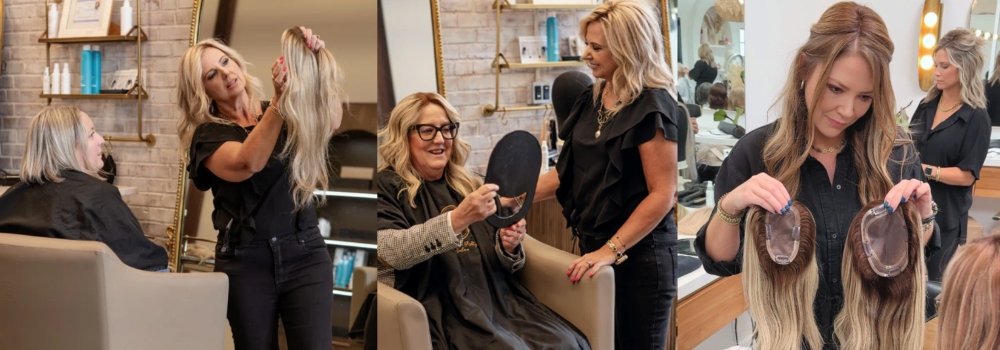
The Lauren Ashtyn Collection understands that emotional nuance unusually well because the company grew through direct client relationships rather than trend forecasting. More than 30,000 women have worked with the brand through consultations, salon appointments, and pop-up events designed to create personalized experiences rather than generic beauty solutions.
That experience matters because women can immediately feel when beauty has been designed around real life instead of internet aesthetics.
Consumers across beauty and fashion are also becoming more intentional about purchases tied to comfort, practicality, and emotional well-being because beauty fatigue has become very real over the last several years (Source: Euromonitor International, 2025). Perfect beauty has started feeling strangely impersonal, while softer beauty feels warmer and more modern.
Probably because confidence looks better than perfection every single time.
Hair that genuinely works with somebody’s lifestyle tends to disappear naturally into their confidence instead of competing with it. The fit feels comfortable enough that somebody eventually stops thinking about the hair altogether, which is probably the highest compliment luxury hair can receive.
Most women are not trying to be beautiful every second of the day. They simply want to feel attractive without turning maintenance into a second career.
That kind of confidence changes everything else, too. Makeup looks softer somehow. Clothes feel more flattering. Photos become less stressful because women are no longer hyperaware of every angle. The mental space previously wasted on hair anxiety suddenly becomes available for more important things than panicking over scalp visibility near restaurant windows. That is not vanity… That is relief.
Hair Should Feel Like You, Just More Confident
The beauty industry loves dramatic reveal moments because they perform well online, but real confidence usually returns much more quietly than that. A woman looks in the mirror, touches her hairline, and finally stops overanalyzing herself for a second.
That moment matters far more than shock value ever will.
The Lauren Ashtyn Collection continues helping women rediscover confidence through handcrafted hair toppers, luxury wigs, personalized consultations, and stylist-developed customization designed around realism, comfort, and individuality. Every detail exists to create hair that blends naturally into somebody’s life instead of demanding constant attention from it.
Because the goal was never about looking “done.” The goal is feeling fully like yourself again, except maybe a little more rested, a little more polished, and significantly less emotionally threatened by overhead lighting.