
A Van Gogh auction scheduled for November 18 in New York has prompted restitution concerns from descendants of German publisher Samuel Fischer. The family questions the circumstances of a 1936 sale, while Sotheby’s says its research has not established that the transaction was forced. The painting is valued at approximately $180 million.
Key Takeaways
- Descendants of Samuel Fischer have requested the withdrawal of Vincent van Gogh’s Châtaigniers en fleurs from Sotheby’s November 18, 2026, auction
- The family believes the 1936 sale may have been influenced by financial pressures associated with Nazi-era persecution
- Sotheby’s maintains that its research has not established that the painting was sold under duress or below fair market value
- The painting has a reported valuation of approximately $180 million, although Sotheby’s official listing provides its estimate upon request
- Discussions between the auction house and representatives of the Fischer family were ongoing as of November 16
Descendants of German publisher Samuel Fischer have raised concerns about the planned sale of Châtaigniers en fleurs, an 1890 Vincent van Gogh painting scheduled for auction at Sotheby’s in New York on November 18.
The family has questioned whether the painting’s 1936 sale took place under circumstances that allowed its owners to make a voluntary decision. Their concerns relate to the financial difficulties the Fischer family reportedly experienced during the Nazi era.
Sotheby’s has acknowledged the family’s position but says its examination of the painting’s ownership records has not established that the historical transaction was forced.
The disagreement comes as the artwork is being prepared for sale as part of the Blaquier-Arrieta collection, which includes paintings by several European artists.
Fischer Heirs Raise Concerns About the Painting’s 1936 Sale
The restitution concerns involve a transaction connected to the family of Samuel Fischer, the German publisher who acquired Châtaigniers en fleurs from a Paris gallery in 1909.
Following Fischer’s death in 1934, the painting passed to Brigitte and Gottfried Bermann-Fischer. According to Sotheby’s published provenance, the artwork had already been placed with an Amsterdam art dealer in either 1932 or 1933.
In June 1936, the painting was sold to Paris-based collectors Henriette and Marcel Kapferer. Sotheby’s identifies the recorded sale price as 68,000 Swiss francs.
Representatives of the Fischer heirs have questioned whether that transaction reflected the painting’s fair market value and whether the family’s circumstances influenced the decision to sell.
The heirs maintain that restrictions and financial pressures associated with Nazi persecution affected the family’s publishing business during this period. They believe those conditions should be considered when reviewing the 1936 transaction.
Berlin-based lawyer Gunnar Schnabel has requested additional evidence regarding the sale. His concerns include whether the owners would have agreed to the transaction under different circumstances.
In correspondence dated November 12, Schnabel reportedly stated that without sufficient evidence, “no auction may take place.”
The family has asked Sotheby’s to withdraw the painting while the ownership concerns are reviewed. The request focuses on the circumstances of the historical sale rather than the artwork’s authenticity.
Sotheby’s Says Its Research Has Not Established a Forced Sale
Sotheby’s has responded to the Fischer family’s concerns by referring to its research into the painting’s ownership history.
The auction house says it has reviewed available documentation surrounding the 1936 transaction, including information about the artwork’s earlier placement with an Amsterdam dealer.
In a public statement, Sotheby’s said its “research to date has not established that the painting was sold under duress.”
The auction house has also indicated that its findings have not established that the sale occurred below fair market value.
These statements reflect Sotheby’s assessment of the available records rather than a determination accepted by all parties.
The Fischer family’s representatives continue to question whether the transaction should be evaluated solely through its documented price and ownership records. Their concerns also involve the historical conditions that may have influenced the sellers.
The disagreement illustrates some of the difficulties associated with establishing the circumstances of older art transactions, particularly when available documentation may not fully explain the decisions made by previous owners.
Questions involving inherited artwork and estates can involve valuations, ownership records and the circumstances surrounding earlier transfers. In the Fischer family’s case, those questions concern a sale completed approximately 90 years ago.
Sotheby’s has indicated that it remains in communication with representatives of the heirs and is seeking a mutually satisfactory resolution.
A meeting between the parties was reportedly scheduled for November 16 in New York. No publicly confirmed agreement resolving the dispute was available in the latest statements reviewed.
Van Gogh’s 1890 Painting Has Passed Through Several Collections
Van Gogh completed Châtaigniers en fleurs, also known as Blossoming Chestnut Trees, in Auvers-sur-Oise, France, on May 24, 1890.
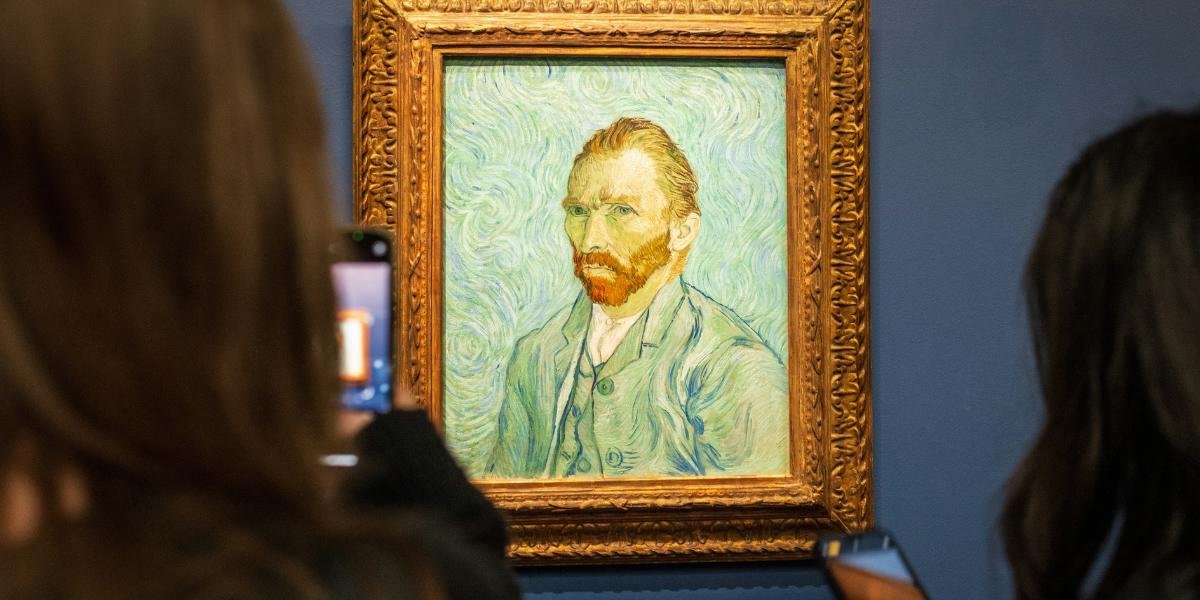
The oil painting measures approximately 28 by 23 inches and depicts flowering chestnut trees along a village street. Small figures appear beneath the branches, with contrasting shades of green and other colors throughout the composition.
The artwork belongs to the final period of Van Gogh’s career. The artist moved to Auvers-sur-Oise in May 1890 and died in July of the same year.
According to Sotheby’s catalog, the painting forms part of the landscapes produced during those months.
Its documented exhibition history includes appearances in several European and American cities. Sotheby’s records also identify exhibitions at institutions including the Metropolitan Museum of Art and the Solomon R. Guggenheim Museum in New York.
The painting passed through several private collections following its ownership by the Fischer family.
In 1975, it was acquired by Carlos Pedro Blaquier and Nelly Arrieta de Blaquier, Argentine collectors who assembled a collection of Impressionist and post-Impressionist artworks.
The painting remained associated with the Blaquier-Arrieta collection for approximately five decades before its planned appearance at Sotheby’s.
While the auction catalog provides a chronology of the artwork’s ownership, the Fischer heirs have requested further consideration of the circumstances surrounding the 1936 sale.
The $180 Million Valuation Places the Van Gogh Among Major Auction Lots
Sotheby’s has scheduled Châtaigniers en fleurs as Lot 5 in its Legendary: The Blaquier-Arrieta Collection evening auction on November 18, 2026.
The sale is scheduled to begin at 6 p.m. Eastern Time in New York.
The painting has been publicly associated with an estimated value of approximately $180 million. Sotheby’s official listing, however, identifies the estimate as available upon request rather than displaying a fixed figure.
If the artwork sells for an amount near that valuation, its final price could exceed the existing auction record for a Van Gogh painting.
That record was established in November 2022 when Orchard with Cypresses sold at Christie’s in New York for approximately $117.2 million, including fees.
The projected value places Châtaigniers en fleurs among the higher-valued works offered during the current New York auction season. Previous major Sotheby’s art auctions provide context for the prices sometimes achieved by works from established European artists.
The broader Blaquier-Arrieta collection includes 12 artworks, with paintings attributed to Paul Cézanne, Claude Monet, Edgar Degas, Pierre-Auguste Renoir and Camille Pissarro. Its combined estimated value has been reported at approximately $450 million.
Sotheby’s also lists the Van Gogh painting as guaranteed property. Such arrangements generally provide a minimum financial outcome under specified conditions, although they do not establish the final auction price.
The reported $180 million valuation remains an estimate rather than a confirmed sale result.
As of November 16, Sotheby’s had indicated that the November 18 auction remained scheduled despite the Fischer family’s request.
The painting was still listed for sale while discussions about the historical transaction continued. The outcome of those discussions had not been publicly confirmed.
Frequently Asked Questions
Why have the Fischer heirs raised concerns about the Van Gogh auction?
The Fischer heirs believe the 1936 sale of Châtaigniers en fleurs may have been influenced by financial pressures associated with Nazi-era persecution. They have requested further examination of the transaction and asked Sotheby’s to withdraw the painting from its scheduled auction.
When is the $180 million Van Gogh painting scheduled for auction?
The Van Gogh auction is scheduled for November 18, 2026, at 6 p.m. Eastern Time in New York. The painting is listed as Lot 5 in Sotheby’s Blaquier-Arrieta collection evening sale.
What has Sotheby’s said about the restitution concerns?
Sotheby’s says its research has not established that the 1936 transaction was forced or conducted below fair market value. The auction house has acknowledged the family’s concerns and indicated that discussions with their representatives are continuing.
Who previously owned the Van Gogh painting?
German publisher Samuel Fischer acquired the painting in 1909, and it later passed to members of his family. Following its sale in 1936, the artwork changed ownership several times before entering the Blaquier-Arrieta collection in 1975.
Could the Van Gogh painting exceed the artist’s auction record?
The reported $180 million valuation is higher than the approximately $117.2 million paid for Orchard with Cypresses in 2022. Whether the painting exceeds that record will depend on the final auction result, which had not been established before the scheduled sale.