
By: Dr. Tamara Patzer
In brief: Paintings, sculpture and a studio full of unsold work can make an artist’s estate look larger than the cash it holds. A New Orleans tax attorney explains why estate valuation follows fair market value, how the IRS treats gains on collectibles, and what families can do while the artist is still working.
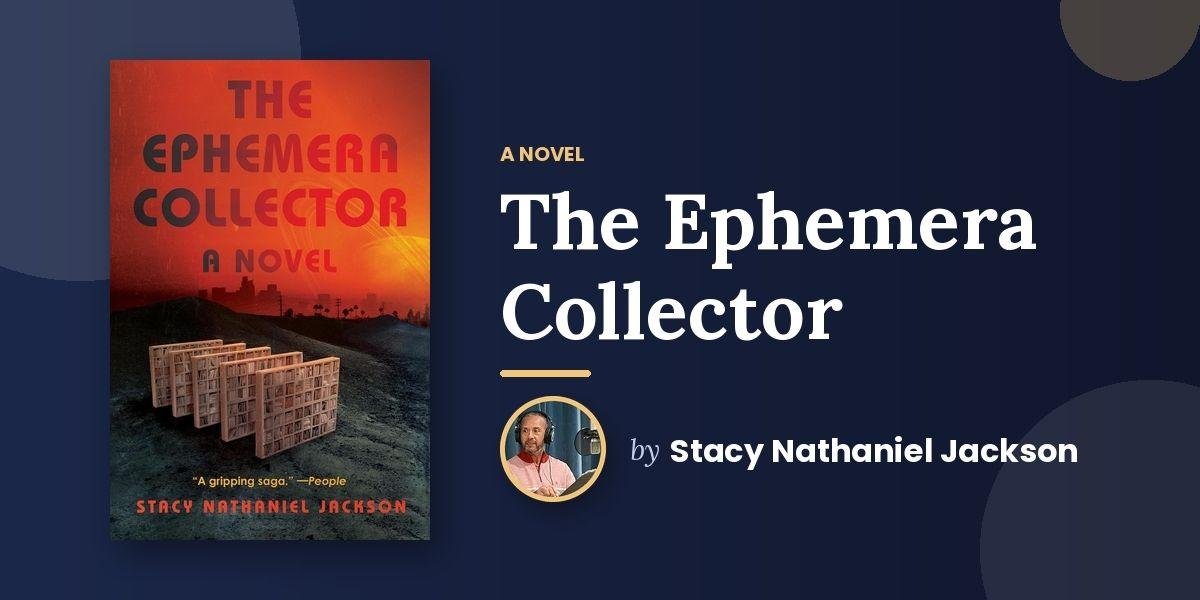
An artist’s wealth is often invisible on a bank statement. It hangs on walls, stands in storage and leans against studio shelves. Its value may be real and still impossible to spend, since a piece is worth what a buyer will pay and not a dollar more. When an artist dies, the law asks a hard question about that wealth: what was it worth on the day? Todd M. Villarrubia, a New Orleans tax and estate attorney and author of Entrepreneurial B.E.A.S.T. Mode™, says the gap between what a family owns and what it can pay is one of the least discussed problems in planning.
Why does valuation matter so much for artists?
Because the rules look at value and not at cash. The book states the principle in one sentence: “Estate taxes are calculated on fair market value, not cash flow.” For a business owner, that means a company can be worth a great deal and produce little spendable money. For an artist, it means a body of work, a studio building or a collection can carry a large number on paper while the family’s accounts hold little.
Most families will never face this problem. The IRS lists $15,000,000 per person as the federal basic exclusion amount for people who die in 20262. Estates below it generally owe no federal estate tax, though state rules differ and the figure can change. The question matters most to the artists and collectors whose holdings are large, and for everyone, valuation affects how a family divides things.
What does the family actually inherit?
Often a mixture that is hard to divide. There are finished works, unfinished works, tools, a studio lease or building, rights and records, and a name. One child may want to keep the work together, another may want to sell it, and a third may have no interest at all. Without a plan, those disagreements fall to whoever is appointed to settle the estate.
The book is blunt about what documents can and cannot do. In its words, “But estate documents don’t prevent family disputes; they merely provide something to fight over.” An artist who wants the work cared for after death has to say so, in terms that the family and the advisers can follow, and not just in a will.
How does the IRS treat gains on art and collectibles?
Differently from ordinary investments. The IRS says long-term gains are generally taxed at 0, 15 or 20 percent, but gains on collectibles can be taxed at a higher maximum rate of 28 percent1. That rule is aimed at people who hold art as a collectible investment and sell it. How it applies to an artist who made the work, or to a work sold through a gallery or a business, depends on the facts, and a tax professional is the right person to say.
The point for planning is simple. A sale is a tax event, and the treatment can vary with who holds the work, how long they held it and what it is. An artist who intends to sell, donate or transfer works over time should ask about the tax treatment before the transaction, not after.
Who holds the work?
This is the question most artists have never asked. Works may be held by the artist personally, by a company, by a family member or by a gallery on consignment. Records may be incomplete. A piece given away informally years ago may not be recorded anywhere.
Villarrubia’s rule for owners applies here with little adjustment: “Wealth preservation depends not on what you own, but on how you own it.” An inventory that records each work, where it is and who holds title is the document that makes any later plan workable. It also helps in an ordinary year, since insurers, galleries and buyers often ask for it.
What can an artist do while still working?
Four steps cover most of the ground.
- Keep an inventory with photographs, dimensions, dates, locations and ownership for every significant work.
- Keep records of sales, consignments and gifts, with the dates.
- Ask an attorney how the work should be held and whether a company or trust fits.
- Name, in writing, who should decide about the work after you, and what you hope they will do with it.
The last item is not a legal document, though it may be the most useful. The book says the heart of a plan is what it protects: “Wealth isn’t measured by what you create; it’s measured by what endures.” The sentence reads naturally as an artist’s maxim, since an artist’s work is measured by what outlasts the maker.
Why bring the family in early?
Because they are the ones who will act. The Federal Reserve’s Survey of Consumer Finances, released October 9, 2026, puts 2025 median family net worth at $215,900 and the mean at $1.24 million3. The gap between those two numbers is a reminder that wealth is concentrated, and that a few families hold most of it. For most families of artists, the more urgent problem is not tax. It is the question of who will keep the work together, and the answer will not come on its own.
Cerulli Associates expects $124 trillion to move between generations in the United States through 2048, with $105 trillion going to heirs and $18 trillion to charity4. Some of that will be art. Some will be studios and the creative businesses behind them. All of it will need documents that someone can find.
What about charity and museums?
Some artists plan to give works to a museum, a school or a foundation. Gifts of art raise their own questions about valuation, acceptance and deductions, and institutions have their own rules about what they will take. The conversation should happen with the institution and an attorney well before any gift, since a museum may decline a piece and a gift made badly can have unintended tax effects.
Common questions
Will my family owe estate tax? Probably not if the estate is well below the federal exclusion, but state rules differ and values change. A licensed attorney can say.
Is my unsold work worth what the gallery says? The estate is valued at fair market value, and a professional appraisal may be needed.
Do I need a trust? Sometimes. The answer depends on the artist’s goals and holdings.
Sources
- Internal Revenue Service, Topic no. 409, Capital Gains and Losses
- Internal Revenue Service, What’s New: Estate and Gift Tax
- Federal Reserve Board, press release on the 2025 Survey of Consumer Finances
- NAPA-Net, Wealth Transfers Expected to Hit $124 Trillion Through 2048 (reporting Cerulli)
About the author. Dr. Tamara Patzer is a publisher and former newspaper editor. She was on the staff of The Charlotte Sun when it was named a 2005 Pulitzer Prize finalist for its Hurricane Charley coverage.
About the source. Todd M. Villarrubia is an attorney with an LL.M. in Taxation and a Juris Doctorate. He is an Accredited Estate Planner, a Board Certified Expert in Estate Planning and Administration, and a Fiduciary Investment Advisor Representative. He is the author of Entrepreneurial B.E.A.S.T. Mode™. Wealth Planning Law Group, 101 W. Robert E. Lee Blvd., Ste 404, New Orleans, LA 70124. Phone: 504-982-8207; email: todd@lawealthplan.com; website: https://lawealthplan.com/?utm_source=newsanchored&utm_medium=artist-weekly&utm_campaign=top-1pct
Disclaimer: Sponsored feature written on behalf of Todd M. Villarrubia. This article is general information, not legal or tax advice, and reading it does not create an attorney-client relationship. Results vary.