
Most artists don’t fail because of their work. They struggle because no one ever teaches them how the systems surrounding art function. Pricing can feel arbitrary. Promotion is inconsistent. Gallery relationships are often unclear. For many creators, progress depends less on skill and more on visibility—being seen by the right person at the right time.
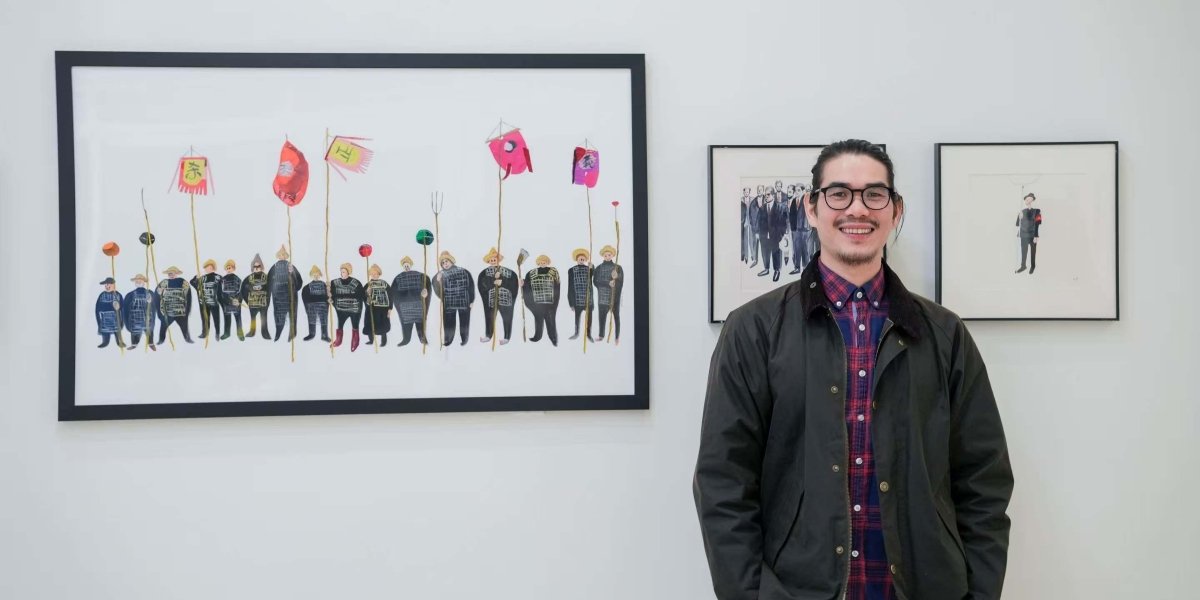
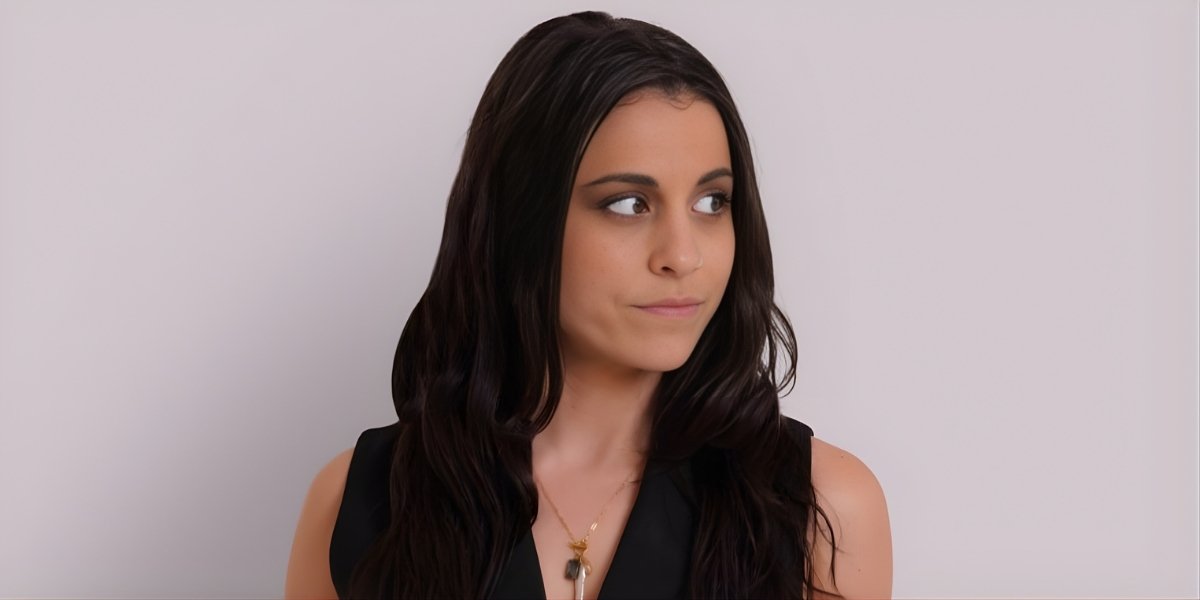
That imbalance is the problem A Galaxy of Happy Art was built to address. Founded by Ren Feliz-Durishin, AGHA operates on a simple but uncommon belief: artists don’t need rescuing—they need structure. And when that structure exists, artists can operate like business owners without losing the essence of their work.
A Founder Who Questioned the Traditional Trade-Off
Although art was always present in Ren Feliz-Durishin’s life, acrylic abstraction ultimately became her primary focus. That shift came gradually, informed by patience and technical exploration rather than urgency. When the pandemic disrupted daily life, fluid art offered stability. Watching pigment behave unpredictably yet within constraints helped clarify the direction she wanted her work—and her professional path to take.
At the same time, her experience navigating traditional gallery systems sharpened a long-standing concern. Abstract acrylics were often underrepresented. Commission structures routinely claimed 30 to 50 percent of an artist’s revenue. Guidance on marketing, pricing, or professional growth was limited. Artists were expected to produce, deliver, and step aside.
AGHA did not begin as a grand concept. It grew out of necessity. Ren first applied business structure to her own practice, then tested and refined the approach through measurable outcomes. Over time, that framework became a repeatable model, ultimately documented in her 2025 SBA-approved business plan. The aim was clear: sustainability over spectacle.
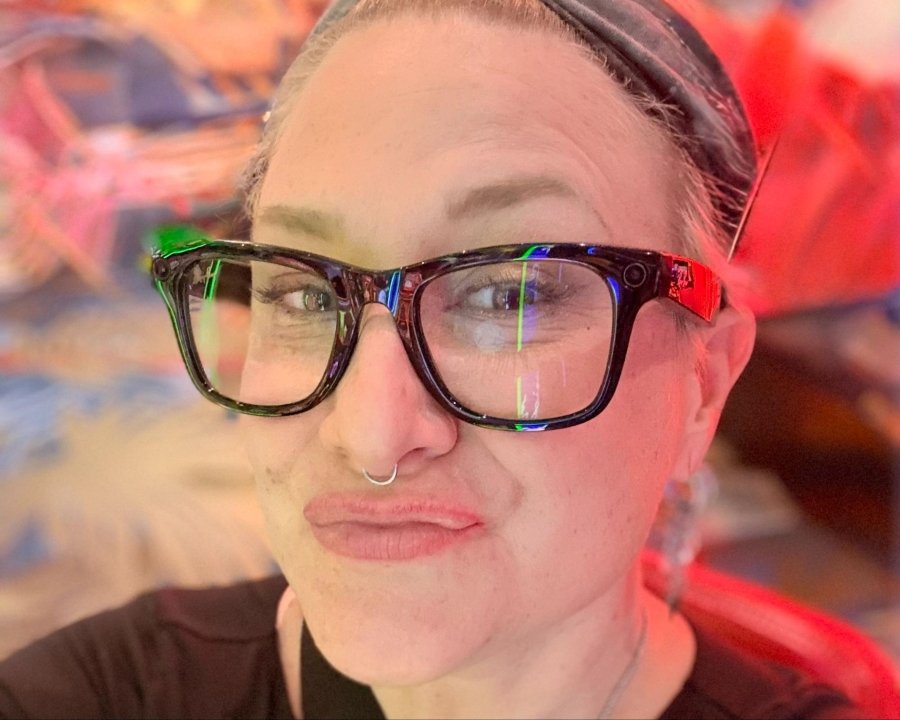
Photo credit: Ren Feliz-Durishin
Why the Traditional Gallery Model Falls Short
Many galleries still operate on assumptions that no longer reflect current market realities. High commissions compress margins. Limited exhibition windows restrict visibility. Artists cycle through shows without building transferable knowledge or long-term momentum. The result is a system that can generate short-term sales but often limits sustainable career development.
AGHA addresses that model at its foundation. Its 80/20 commission split is not framed as generosity, but as alignment. When artists retain the majority of their earnings, they can price responsibly, reinvest in production, and plan beyond single transactions. The gallery’s success becomes tied to artist sustainability—not extraction.
A Gallery That Functions Like a Business Incubator
What distinguishes AGHA is its integration of education into participation. Business training is embedded into the residency experience rather than offered as an optional resource. Artists engage with marketing fundamentals, networking strategy, pricing structure, and basic business operations.
This approach reframes professionalism. Artists are no longer expected to learn through trial and error. Instead, they gain a working understanding of how their art moves through markets, how collectors engage, and how visibility builds over time. The outcome is confidence rooted in knowledge rather than guesswork.
Hybrid Residency for a Hybrid Market
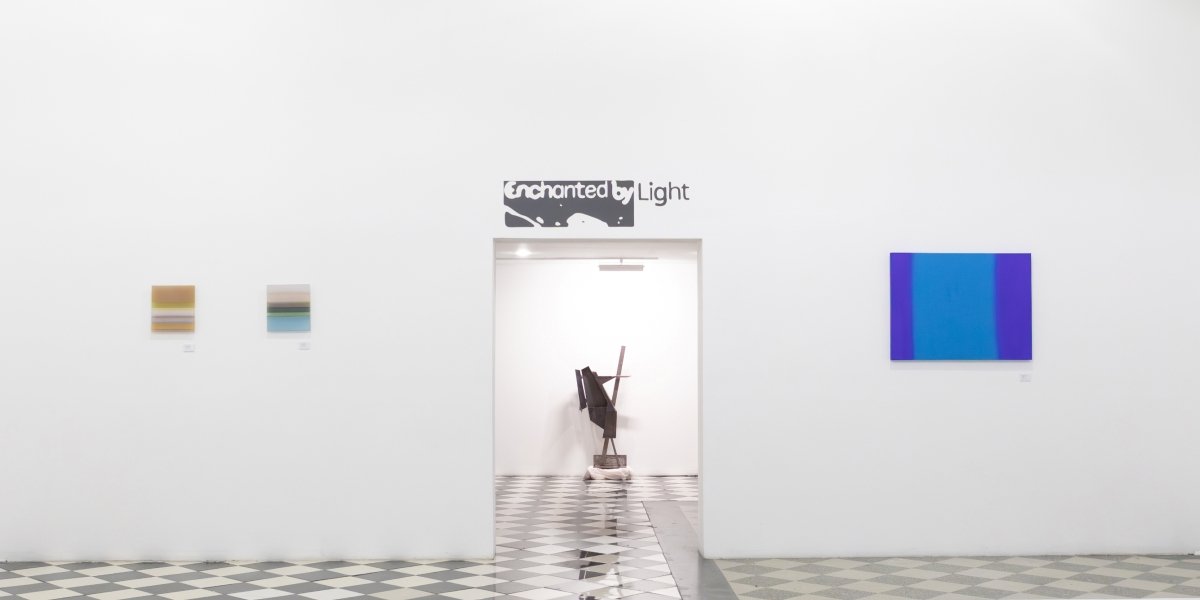
AGHA’s residency model reflects how art is experienced today. Artists may participate through physical wall space in the Loudoun County gallery or through a virtual residency that removes geographic limitations. Both operate within the same structured system.
Ren Feliz-Durishin is, by nature, a Loudoun County artist, as she lives and works in Loudoun County. However, the gallery and collective are hosted out of Clark County and actively engage surrounding regions, including Frederick, Shenandoah, Fairfax, and beyond.
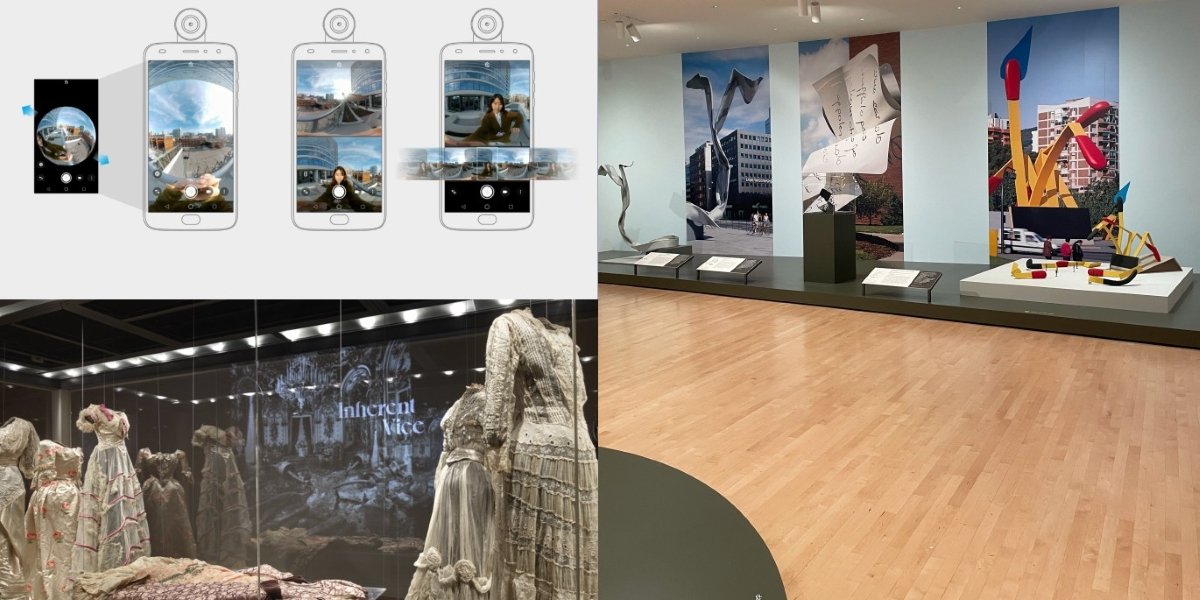
The model prioritizes longevity. Through required 360-degree digital cataloging, artists leave with more than exhibition exposure—they leave with a documented archive. That record becomes a professional portfolio designed to support long-term career growth.
Making Art Accessible Without Diluting Value
AGHA also challenges the notion that fine art must exist only as a luxury object. Abstract works are translated into functional pieces—textiles, accessories, and home décor—designed to integrate art into everyday environments. These pieces do not replace original canvases; they extend their reach.
For collectors, functional art offers an accessible entry point. For artists, it creates diversified revenue without devaluing originals. The balance is intentional and strategic, grounded in the belief that sustainability grows through accessibility.
Who the Model Serves
AGHA works with emerging artists building visibility, mid-career creators seeking consistency, and returning artists re-entering professional practice. What connects them is not style or medium, but ambition—a desire to operate professionally without compromising creative integrity.
Collectors are part of this ecosystem as well. AGHA attracts buyers, designers, and institutions who value transparency, local investment, and direct artist relationships. The transaction is clear. The value exchange is visible.
Community Impact Without Performance
Social responsibility is built into operations rather than branding. AGHA maintains a growing database of Virginia artists, ensuring regional talent is documented and discoverable. Live demonstrations at festivals demystify abstract processes, replacing distance with dialogue.
The AGHA Sponsored Artist program addresses a persistent barrier: access. By supporting artists who lack financial resources, the program ensures opportunity is guided by talent rather than capital.
The Founding Year and Forward Vision
The Founding Year initiative, running from October 31, 2025 to October 30, 2026, marks a deliberate growth phase. Residency slots are filled intentionally, prioritizing alignment over scale. This period allows artists to shape the culture while benefiting from reduced entry costs.
Long-term, AGHA aims to become a primary archival and promotional database for Virginia artists, with plans to expand the “Galaxy” model into additional regions. The framework is designed to scale without losing its artist-first foundation.
Teaching Artists to Lead Their Own Careers
AGHA does not promise overnight success. It offers something more durable: systems, education, and an equitable structure. By treating artists as capable decision-makers and teaching them how to operate with clarity, the gallery reframes success as something built deliberately.
In supporting artists as CEOs of their own practice, A Galaxy of Happy Art is not abandoning the soul of art—it is reinforcing the foundation that allows it to endure.