Discovering the Art of Words: Munich’s Sweeter than Honey Exhibition
Munich’s renowned Pinakothek der Moderne is setting the stage for an extraordinary fusion of art and text with the opening of Sweeter than Honey: A Panorama of Written Art. This exhibition, running until April 12, 2026, invites visitors to experience writing as more than just a method of communication—it explores how language and script can evolve into visual masterpieces that tell powerful, often untold stories.
In a world where the written word often serves as a tool of instruction, entertainment, or even protest, Sweeter than Honey challenges the boundaries of language, transforming it into a canvas of expression. Artists from across the globe are showcased in this fascinating display, reflecting the ever-growing relationship between visual art and literature. This guide will walk you through what to expect from the exhibition, the themes it touches upon, and why it’s a must-see for lovers of both art and the written word.
The Intersection of Literature and Visual Art
Sweeter than Honey offers a fresh perspective on the power of written expression, where words are not confined to pages but instead meld seamlessly with visual storytelling. The exhibition brings together a diverse range of works that span from the delicate strokes of calligraphy to large-scale installations that incorporate text as a visual element. This fusion of written language and art challenges the viewer to see both mediums in a new light.
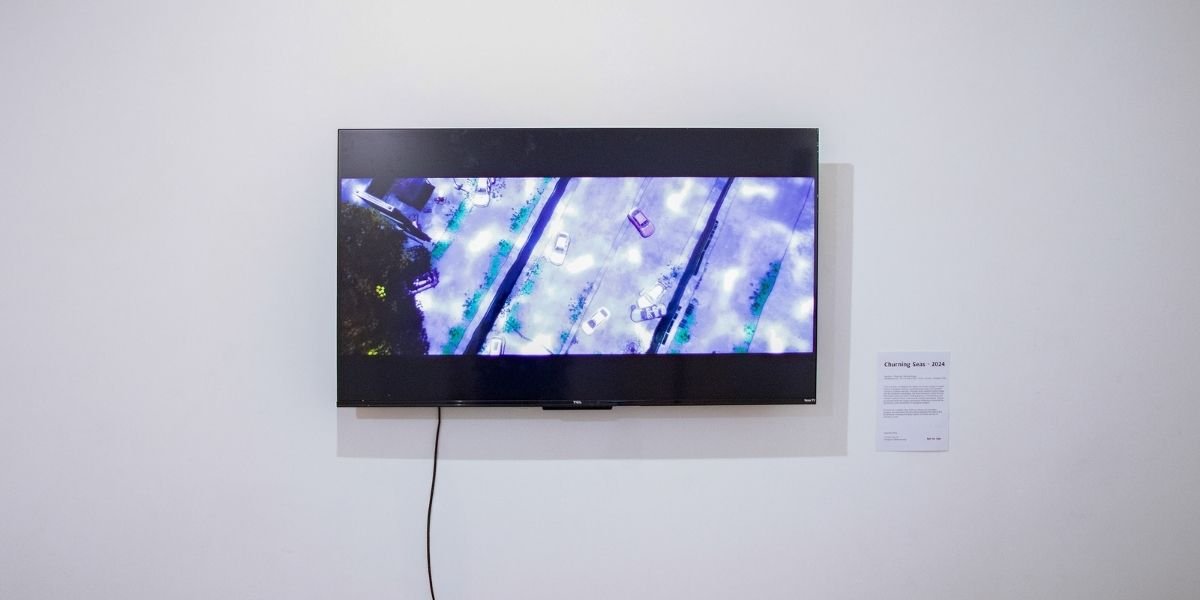
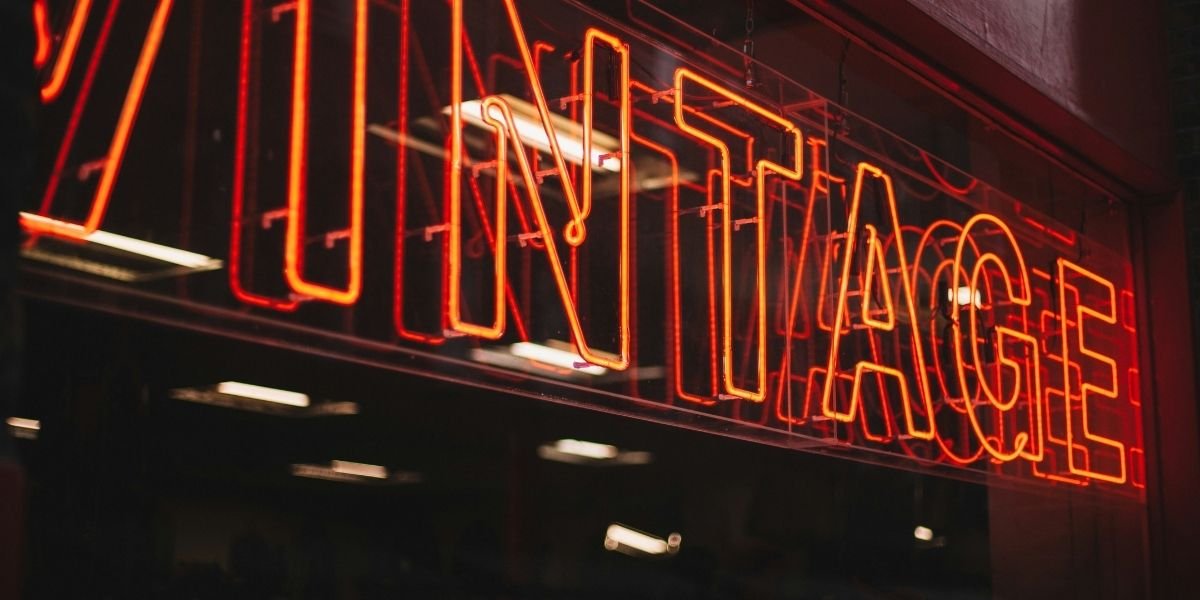
From illuminated manuscripts to neon installations and digital projections, this collection invites a closer look at the transformative nature of language. Whether in the form of a painting, a sculpture, or a projection, these works underscore how the written word can convey more than just information—it can evoke emotions, provoke thoughts, and serve as a statement of cultural significance.
Text as a Medium of Political and Cultural Commentary
One of the most striking features of Sweeter than Honey is its emphasis on the use of language as a tool for political and cultural commentary. Many of the featured works focus on the role of writing in social movements, with artists incorporating controversial or thought-provoking language that challenges the status quo.
For instance, one installation incorporates graffiti-style writing to address themes of urban decay and socio-political unrest, while another piece explores the narrative of displacement through fragmented text. These artworks demonstrate the power of words to shape our understanding of the world around us, making it clear that written language remains a vital form of protest and activism in the modern age.
The Role of Typography in Contemporary Art
Typography, often seen as a functional part of design, plays a key role in the exhibition. Several featured artists explore the aesthetic and conceptual potential of typography, transforming it into an art form that stands on its own. The intricate, hand-rendered fonts and carefully chosen typefaces become characters in their own right, adding depth and meaning to the message being conveyed.
These works challenge our assumptions about what constitutes art, pushing the boundaries of design and language. Typography’s ability to shape the way we read and interpret text is explored through bold, experimental installations that allow visitors to interact with the words in a tactile, immersive way.
Global Voices and Cultural Significance
Photo Credit: Unsplash.com
Another important aspect of Sweeter than Honey is its international scope. The exhibition features works from a range of artists representing different cultural contexts, each offering a unique perspective on how language and art intersect.
From Asia to Europe, and the Americas to Africa, the exhibition showcases the diverse ways in which writing is used to reflect the complexities of culture, history, and identity. One piece might feature an artist from Beijing using traditional Chinese calligraphy to explore modern-day anxieties, while another might highlight a Brazilian poet’s visual representation of a story told in a regional dialect. These cultural touchpoints are not only a celebration of writing but also a nod to the global nature of contemporary art.
What to Expect When Visiting
Visitors to Sweeter than Honey can expect an experience that goes beyond a typical gallery visit. The exhibition is designed to be interactive, with several installations encouraging visitors to engage with the art in meaningful ways. Whether through digital platforms that allow you to create your own textual artwork or pieces that invite tactile engagement, the exhibit creates a dialogue between the art and its audience.
The space itself is designed to feel immersive, with rooms lit to complement the installations’ thematic elements. Whether you’re exploring the interplay of light and text or tracing the development of written language through the ages, each piece in the exhibit promises to offer something new, unexpected, and thought-provoking.
Why Sweeter than Honey Matters
The Sweeter than Honey exhibition stands as an important cultural moment, showcasing how the art world continues to evolve. It reflects the growing interest in multidisciplinary works that combine visual art with other forms of creative expression, particularly language. For artists, it reaffirms the belief that words can transcend their utilitarian purpose and become instruments of profound artistic meaning.
For the audience, this exhibit encourages an open mind—an understanding that art is not just what we see but also what we read and interpret. The message is clear: language is art, and in Sweeter than Honey, words truly become art.
Plan Your Visit
If you’re planning to visit Munich, make sure to stop by the Pinakothek der Moderne to experience Sweeter than Honey. The exhibition runs through April 2026, giving visitors ample time to immerse themselves in this groundbreaking exploration of text and visual art. Whether you’re a fan of contemporary art, literature, or both, this exhibit is not to be missed.