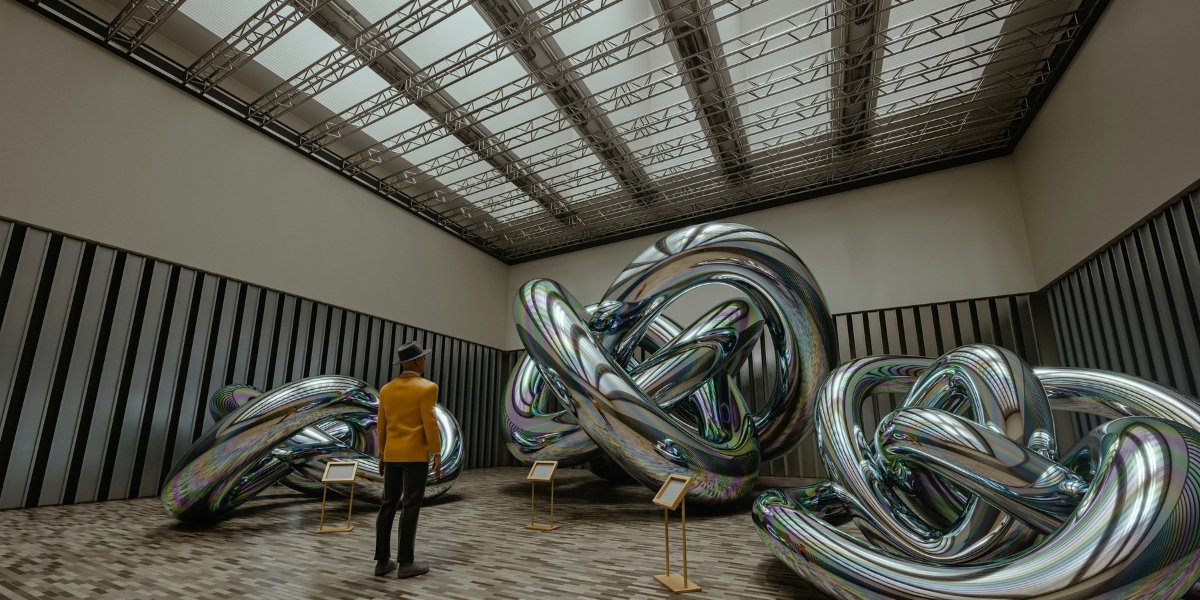

The art world has once again been rocked by an electrifying announcement: Nnena Kalu, a rising star in the contemporary sculpture scene, has won the prestigious 2025 Turner Prize. Her evocative, large-scale sculptures, made from raw materials like rope, fabric, and upcycled tape, have been hailed as groundbreaking works of tactile, visceral art. Kalu’s sculptures have captivated audiences with their commanding presence, rich textures, and emotional depth, challenging the current digital era’s often sterile aesthetic.
For artists, curators, and art lovers alike, Kalu’s win signals the power of material and process in an age increasingly dominated by digital experiences. Her pieces are not just sculptures — they are immersive environments, pushing the boundaries of what sculpture can represent in the 21st century.
A Bold Artistic Statement
Nnena Kalu’s sculptures defy easy categorization. By using materials like fabric, upcycled tape, and thick ropes, Kalu introduces a physicality to her work that stands in stark contrast to the often smooth, polished works that dominate today’s art scene. Her decision to use seemingly mundane materials challenges viewers to reconsider how everyday objects can be transformed into art that feels alive with meaning.
Kalu’s pieces are more than just static forms. They pulse with emotional energy, inviting audiences to engage with the tactile world she creates. The large, gestural works often feel monumental in their scale, yet intimate in their ability to communicate something deeply human — a sense of fragility, resilience, and rawness.
Materiality and the Art of Craft
At the heart of Kalu’s work is an intense focus on materiality — the very stuff of the sculptures themselves. In a time when much of the art world seems fixated on digital media and virtual experiences, Kalu’s work stands as a reminder of the physical, human-driven process of creation. She uses every material with a purpose, whether it’s the roughness of rope or the softness of fabric, to explore themes of vulnerability, strength, and transformation.
Her work calls attention to the imperfections in the world around us, celebrating the beauty found in things that are often discarded or overlooked. In doing so, Kalu reclaims the art of sculpture, steering it away from the minimalist, abstract forms that have dominated for years, and returning to a more visceral, bodily experience.
The Turner Prize and Its Significance
The Turner Prize, one of the most coveted awards in contemporary art, has a long history of recognizing artists who push the boundaries of their medium. Nnena Kalu’s win is especially significant because it represents a shift toward honoring more raw, textural works of art that connect deeply with the viewer on an emotional level. Kalu’s sculptures not only challenge traditional notions of form and structure, but they also speak to the growing trend of incorporating the personal and the tactile into modern artistic practices.
Kalu’s pieces are a direct response to the increasing digitalization of art. In a time when virtual installations and digital art are everywhere, her sculptures remind us that the physical world still holds immense power. Her work encourages a return to the hands-on, craft-based traditions of art-making, while also presenting a vision that is fresh and relevant in today’s artistic landscape.
The Emotional Impact of Kalu’s Work
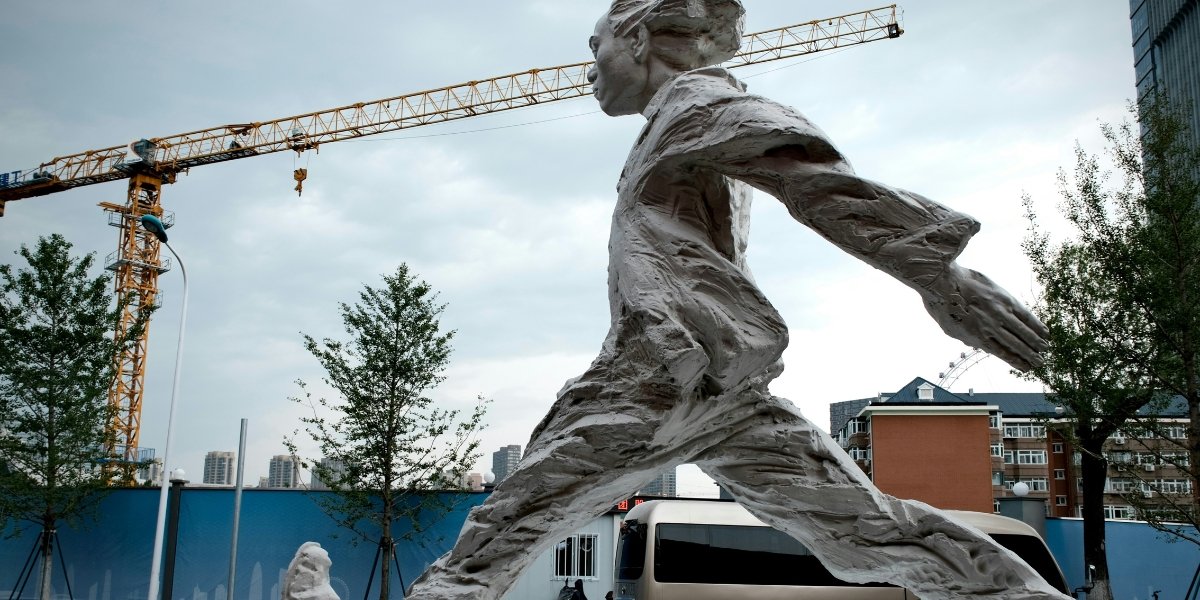
Photo Credit: Unsplash.com
What sets Kalu’s work apart is its ability to elicit an emotional response. The scale of her sculptures is commanding, yet they convey a sense of vulnerability that invites personal reflection. The raw textures, juxtaposed with the organic forms of her pieces, create a space for contemplation. Viewers may find themselves drawn into the tactile nature of her sculptures, touching the rope and fabric, experiencing the work in a visceral way.
Kalu’s sculptures embody the complexities of human emotion — the joy, pain, struggle, and triumph that we all face. Her pieces stand as monuments to human experience, encouraging viewers to confront the visceral realities of life. This emotional depth is what makes Kalu’s work so powerful and why her recognition with the Turner Prize is so well deserved.
Looking Ahead: Kalu’s Influence on Future Generations
With her Turner Prize win, Nnena Kalu has not only solidified her place in the contemporary art world but also paved the way for future generations of artists to embrace materiality and emotional depth in their work. Her approach demonstrates that sculpture is not just about form and structure, but about creating work that communicates something deeply human. As Kalu continues to expand her artistic practice, her influence will undoubtedly resonate in the art world for years to come, inspiring new artists to explore the tactile, physical side of sculpture in bold and unexpected ways.
For artists interested in exploring raw materials, texture, and physicality, Kalu’s work offers a powerful example of how to create meaningful art that speaks to the heart. Her work pushes the boundaries of what sculpture can be, challenging future artists to think beyond the digital and embrace the power of the physical, the handmade, and the emotional.