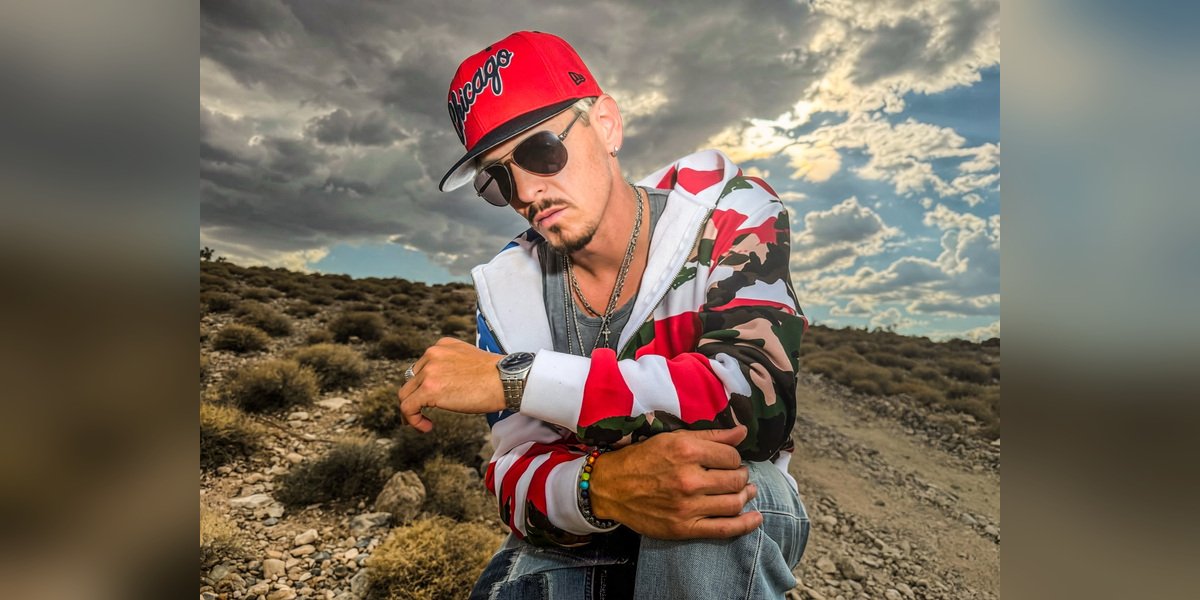

A Musical Identity Shaped by Change
Personal transformation can influence how an artist writes, performs, and connects with listeners. For CJ Shaman, that process has become central to a musical identity shaped by country, rock, rockabilly, reggae, and hip-hop.
The artist’s development began in the quiet surroundings of Chino Valley, Arizona. His path later took him through Sedona and eventually to Las Vegas, where he formed a clearer creative direction.
Rather than leaving his early influences behind, he draws from them while developing music focused on reflection, tension, and change. His story shows how contrasting experiences can become creative material when an artist gives them a new purpose.
Early Roots in Chino Valley
CJ Shaman grew up in a conservative religious household where country music formed much of his early listening experience. He got the idea from songs around him that were centered on clear expressions, interesting characters, and deep emotional stories.
Country music has never been short on examples of artists using their personal experiences to depict family hardship, place, and identity. The way stories are told in this style became a point of reference for his own writing, albeit his later music took him elsewhere.
Confining experiences of his childhood made him wonder about other music that he had no idea about at the beginning. This wondering turned into looking for new sounds through which he could convey ideas and feelings not belonging to his early environment.
Discovering a Wider Musical Language
As his musical interests expanded, CJ Shaman began exploring hip-hop, rock, rockabilly and reggae. Each style offered a different approach to rhythm, performance and communication.
Hip-hop provided a flexible space for detailed writing and direct self-expression. Rock introduced forceful stage energy, while rockabilly offered a combination of vintage character and attitude. Reggae brought another relationship with rhythm and spiritually influenced themes.
Hip-hop’s wider cultural role also helps explain its value as a form of personal expression. The Smithsonian’s National Museum of African American History and Culture documents the genre’s development and its connections with social, cultural, and historical narratives.
For the artist, these influences are not presented as separate costumes. They function as parts of a shared musical vocabulary. Country contributes narrative structure, rock supports performance energy, reggae informs the atmosphere, and hip-hop provides the central framework.
From Sedona to Las Vegas
Sedona became an important setting in the personal development of CJ Shaman. Its open landscape and slower atmosphere gave him room to reflect on his upbringing, creative interests, and future direction.
Las Vegas offered a sharp contrast. The city’s bright visual culture, active entertainment scene, and constant movement created a setting suited to reinvention. Moving between Arizona’s quieter environments and the intensity of Las Vegas helped him consider how opposing experiences could exist within one artistic identity.
These locations also influenced the emotional contrasts found in his creative outlook. Quiet reflection can sit beside aggressive delivery, just as spiritual questions can appear alongside hard-edged production. That balance allows the music to explore change without treating personal growth as a simple or finished process.
Building the Shaman Identity
The development of CJ Shaman marked more than the adoption of a performance name. It represented an effort to organize several stages of his life into one creative identity.
The word “shaman” is commonly associated with a figure who moves between different realms and supports healing or transformation. Within the artist’s public identity, the term serves as a metaphor rather than a claim of professional or spiritual authority. It describes his interest in turning difficult experiences into music with personal meaning.
His conservative upbringing, exposure to different subcultures, and movement between cities all became material for that process. Instead of rejecting the past, he reframes it. The discipline and storytelling he encountered early in life remain present, but they now appear within a broader and more independent form of expression.
Developing a Presence as a Frontman
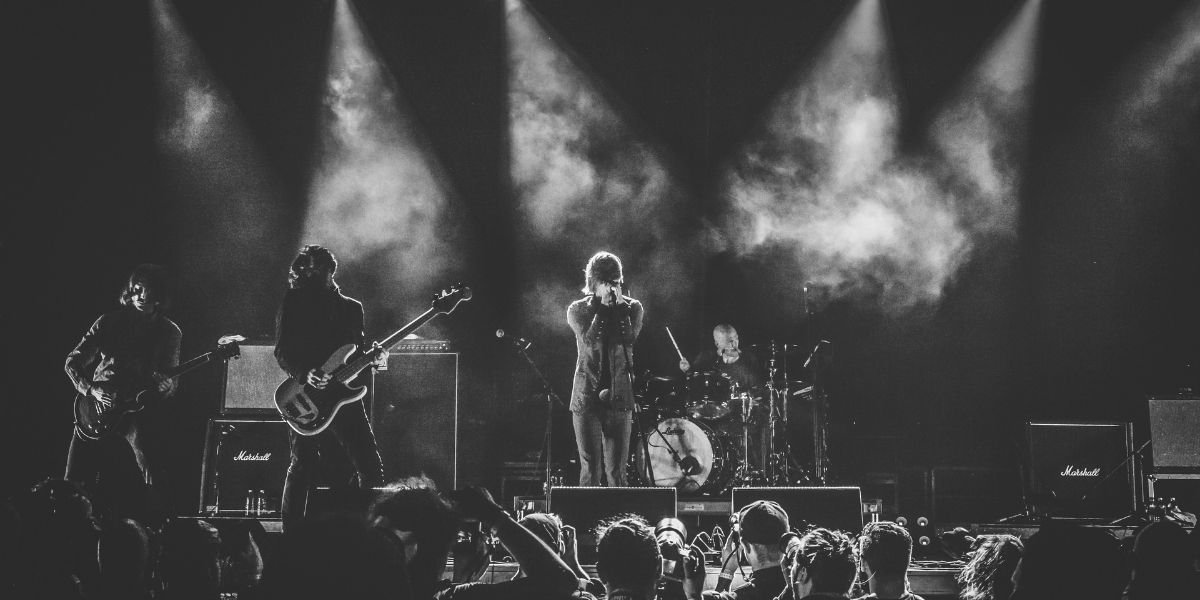
Performance is another important part of the work of CJ Shaman. His biography describes him as a singer, hip-hop artist, and frontman who learned to direct complicated emotions into live delivery.
A frontman must communicate through more than lyrics. Vocal tone, timing, movement, and audience awareness all affect how a song is understood. His experience with rock and rockabilly supports this side of his presentation, while hip-hop provides space for rhythmic control and verbal detail.
This combination helps explain why his work cannot be understood through a single genre label. The writing may begin with hip-hop, but the presentation can carry the urgency of rock, the narrative focus of country, and the rhythmic atmosphere associated with reggae.
Music as an Ongoing Transformation
The creative direction of CJ Shaman is based on integration. His identity shift does not require him to deny where he came from. Instead, it allows him to reconsider those experiences and decide how they belong in his current work.
That approach gives his music a clear thematic foundation. Restriction, self-discovery, spirituality, and reinvention can all appear within the same body of work. These subjects are connected by the idea that identity can evolve while still carrying traces of earlier experiences.
His story also reflects a practical artistic lesson: influence does not have to result in imitation. Musicians can study the emotional honesty of one genre, the performance style of another, and the rhythmic structure of a third, then use those elements to develop an individual voice.
A Story That Keeps Going Through Music
CJ Shaman’s journey from a well-planned childhood to broadening musical exposure, and finally to changing his artistic self deliberately, connects the dots. Country songwriting, rock live playing, reggae beats, and hip-hop expression are among the different styles that have been woven into his art and method of working.
A person grows all the time but never finishes one phase fully, which has always been CJ Shaman’s case. Through integrating previous experiences into a new creative context, he has set up a pattern for discussing topics like identity, external pressure, and internal transformation while not ceasing to evolve musically.
Where to Follow and Listen
Listeners can follow CJ Shaman through Instagram for updates related to his music and public activity. His released material is also available through his official artist pages on Spotify and Apple Music.