
Pop culture is usually remembered out of order.
Scandals are isolated from what came before them. Hits are celebrated without regard for what they followed. Context collapses into shorthand. Over time, stories flatten, not because they lack complexity, but because they are rarely revisited with patience.
The Los Angeles Tribune is taking a different approach. Its Grammy-nominated audio documentary series is built not around moments, but around sequence, an editorial decision that treats pop culture as a historical continuum rather than a collection of anecdotes.
The result is a growing body of work that suggests quietly but firmly that how stories are ordered may matter as much as how they are told.
Establishing A Timeline, Not A Trend
The Tribune’s first audio documentary, You Know It’s True: The Real Story of Milli Vanilli, examined the aftermath of the 1990 Milli Vanilli scandal, a moment that recalibrated ideas of authenticity, image, and accountability in the music industry.
Its newly announced follow-up, I Swear: The Song That Defined a Generation, moves the clock forward to 1994, when All-4-One’s ballad became Song of the Year and a fixture of popular memory.
The pairing is deliberate. Together, the projects reflect the Tribune’s decision to document the first half of the 1990s as a coherent cultural period, one that began with skepticism and industry reckoning and moved, within a few years, toward sincerity, emotional clarity, and mass connection.
This is not a nostalgia exercise. It is editorial mapping.
Audio As An Archival Medium
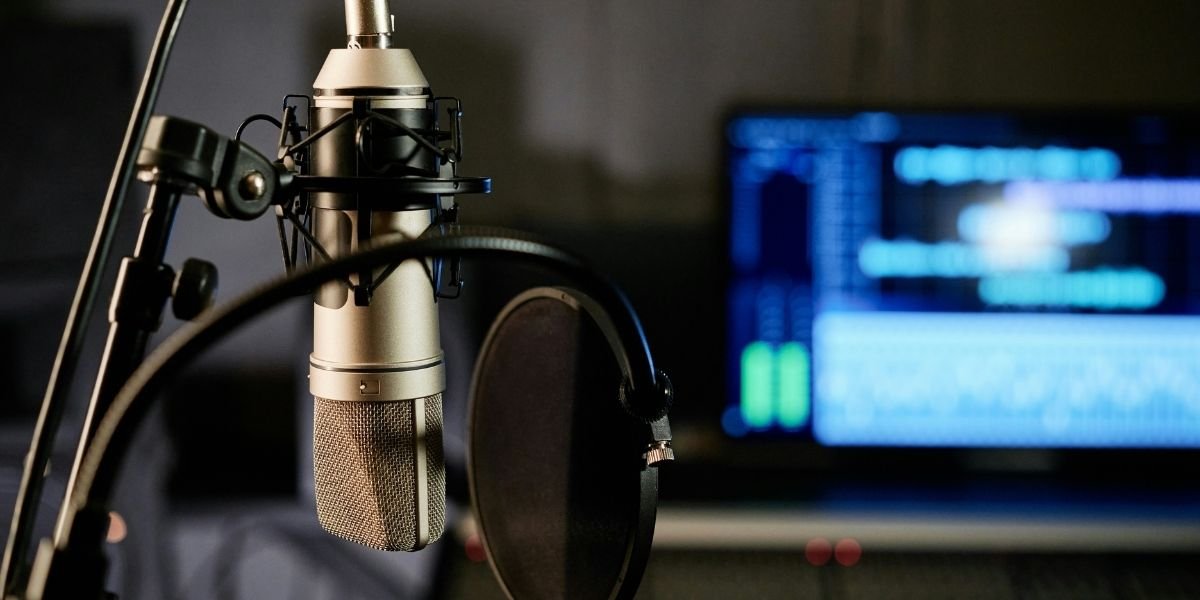
While many publishers have embraced audio through podcasts, the Tribune has focused on long-form audio documentaries designed to function more like books than broadcasts. These works are edited, paced, and structured for uninterrupted listening, allowing chronology and context to remain intact.
That distinction has become increasingly relevant as long-form audio gains prominence. Audiobooks and spoken-word audio now account for more than $2 billion annually in the United States, with steady growth driven by mobile listening and in-car audio systems. For nonfiction and cultural history, audio has become a primary medium rather than a supplement.
The Recording Academy’s nomination of the Tribune’s first installment placed a newspaper publisher among traditional audiobook houses and production studios, a rare acknowledgment that audio documentary journalism is emerging as a serious category. By earning recognition in a field historically reserved for entertainment-focused producers, the Tribune’s project helped legitimize a hybrid model that blends newsroom standards with cinematic audio storytelling.
A Producer-Led Editorial Model
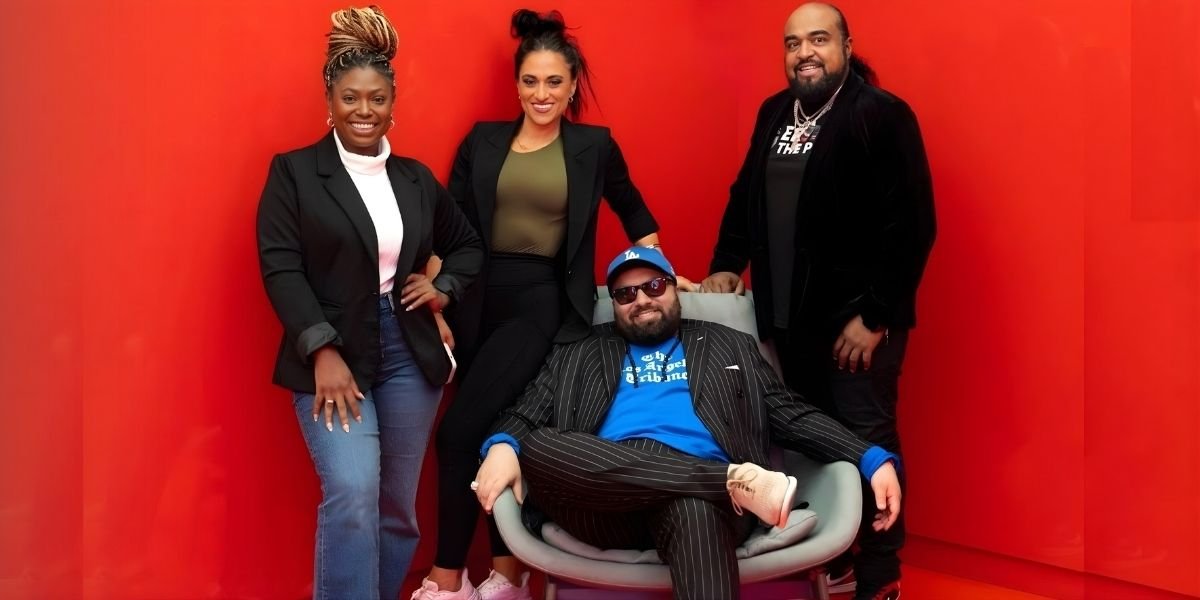
The series is produced by a consistent leadership team, Moe Rock, Giloh Morgan, Parisa Rose, and Alisha Magnus-Louis, all of whom were credited as producers on the Grammy-nominated project.
Their continued involvement suggests that the series is not artist-driven or episodic, but producer-curated. Each project builds upon the last, advancing the timeline and reinforcing a shared editorial framework.
In this model, artists are not vehicles for branding but primary sources, voices within a larger historical record shaped by editorial judgment rather than publicity goals. The result is a body of work that prioritizes coherence, authorship, and historical continuity over visibility, positioning the series as a curated archive rather than a collection of profiles.
Treating Pop Culture As Record, Not Reaction
What distinguishes the Tribune’s approach is restraint. The projects do not seek to rehabilitate reputations or rewrite outcomes. They document. They allow participants to speak in full, without compression or commentary layered on top.
In doing so, the series treats pop culture less as entertainment and more as social evidence, a record of how ambition, pressure, technology, and public taste interact over time. Cultural moments are treated as data points within a broader social landscape rather than isolated spectacles.
The move from a scandal that redefined authenticity in 1990 to a song that embodied emotional sincerity in 1994 is not incidental. It reflects the view that cultural meaning can often emerge through contrast, revealing shifts in values that are best understood in relation to one another.
An Institutional Statement
With the expansion of its Grammy-nominated audio documentary series, the Los Angeles Tribune has positioned itself as a Grammy-nominated publishing company operating beyond the constraints of traditional news cycles. Rather than reacting to breaking moments, the work signals a longer-term ambition: the construction of an ordered, durable audio archive of pop culture events, created while the individuals who experienced them firsthand are still able to speak in their own voices.
The Tribune’s series does not claim to tell every story. It offers something narrower and more powerful, that cultural history is best understood when moments are documented in sequence, not isolated as viral incidents or retrospective summaries. Each project becomes part of a broader continuum rather than a standalone artifact.
At a time when collective memory is increasingly shaped by fragments, clips, and algorithm-driven recall, the Tribune is arguing for continuity. By emphasizing chronology and context, it is quietly redefining how pop culture history is recorded, preserved, and ultimately understood.