
By: Kalinca Costa Söderlund
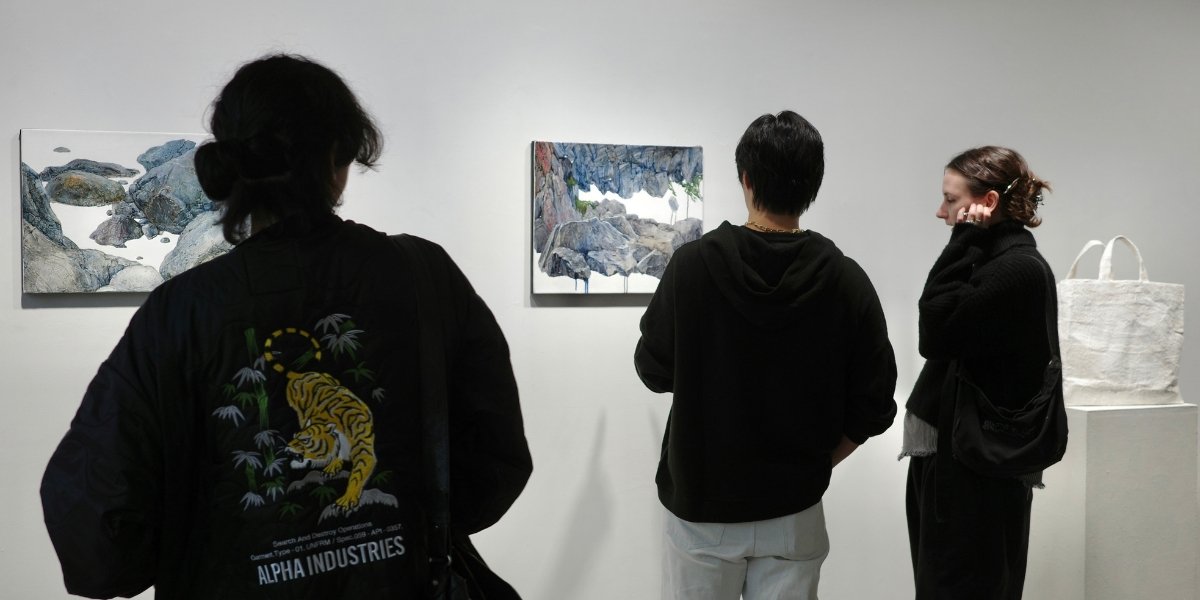
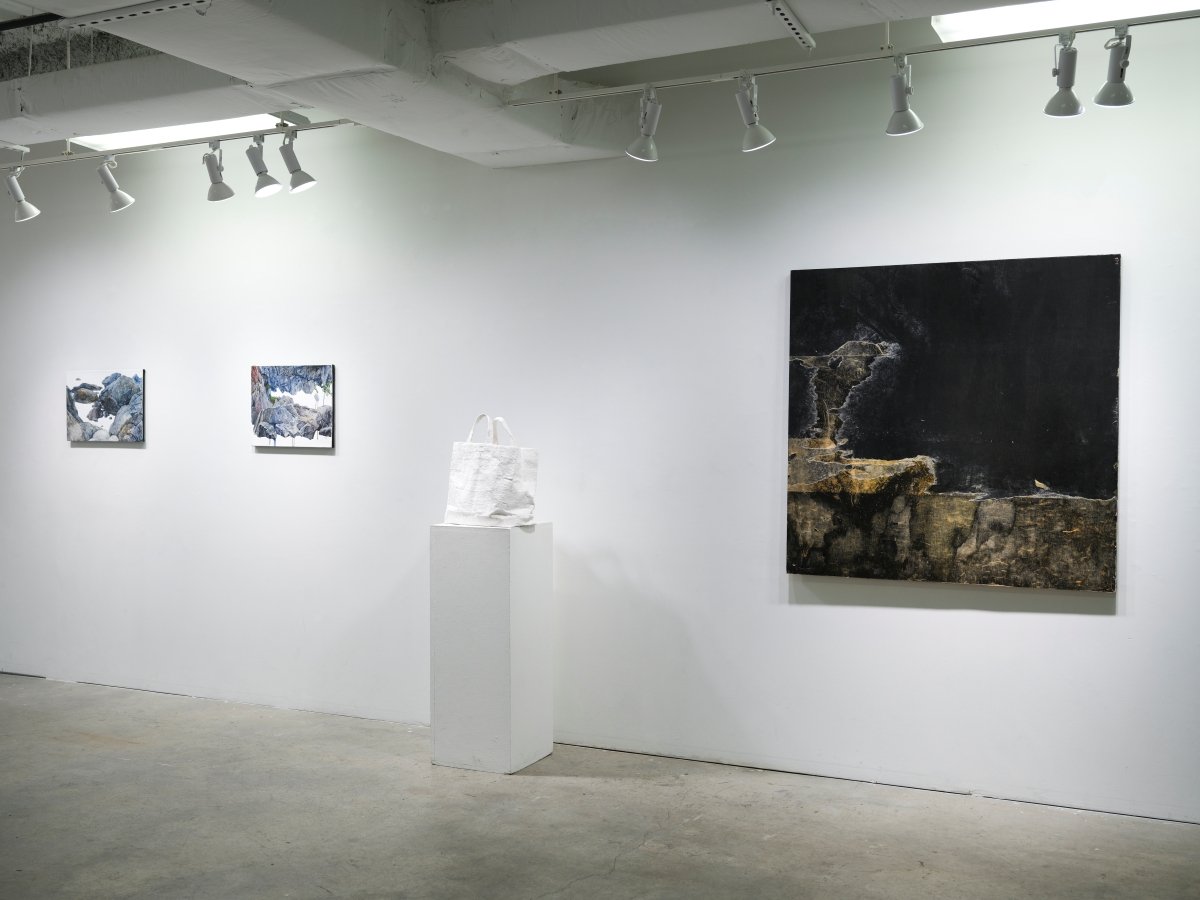
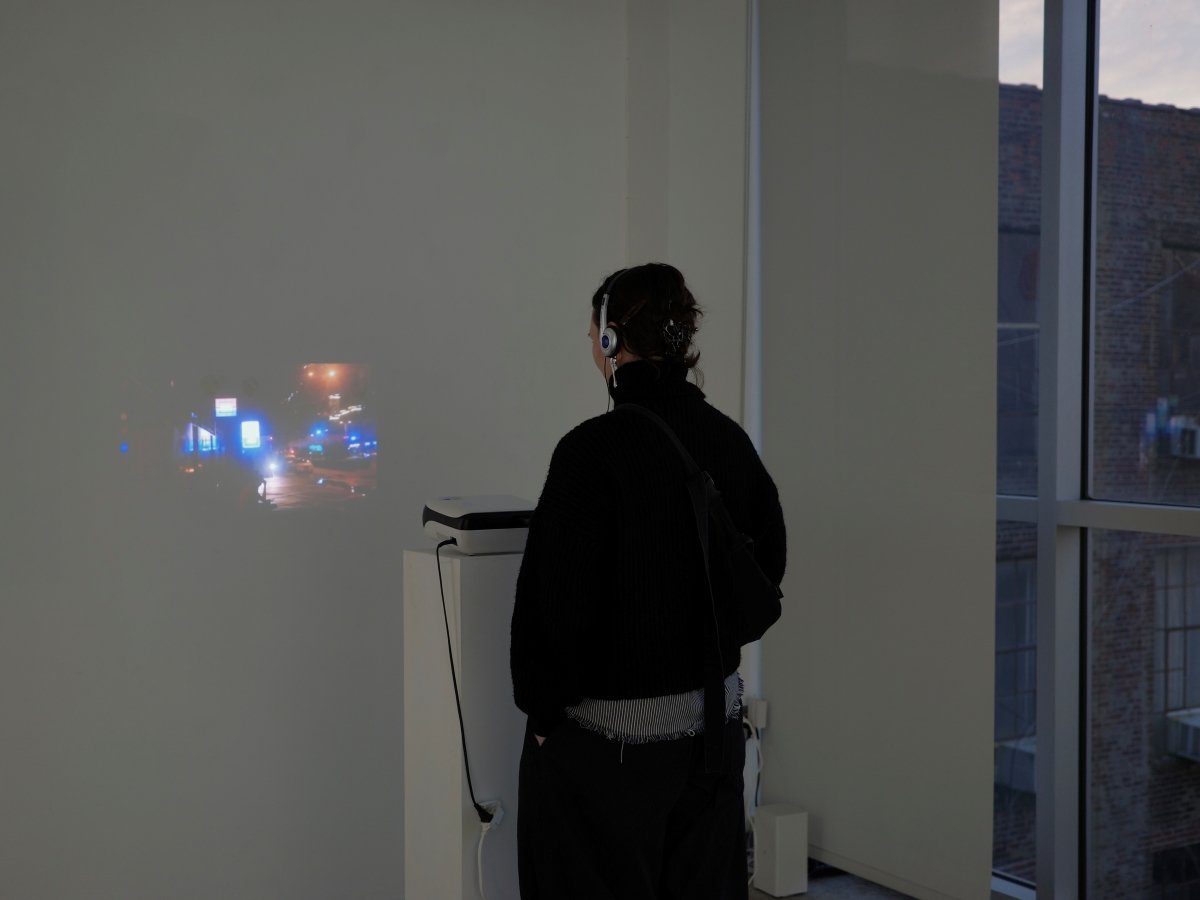
BLANKNESS, a group exhibition at A Space Gallery, New York (24-29 September 2026), departs from fixity in order to explore the tensions between artworks: through a sculptural object, a pure-white carrier bag that rests on a plinth beside a large, eerie painting in which form materialises against a vast black background, Zhang juxtaposes weightlessness and heaviness; the stillness of painting is set against video, where single shots move at imperceptible speed to generate a continuous image. For Zhang, the curatorial process ought to generate meaning through the contradictions and gaps between its constituent parts, rather than through an intelligible narrative that brings together the specificity of each work of art within a single space.
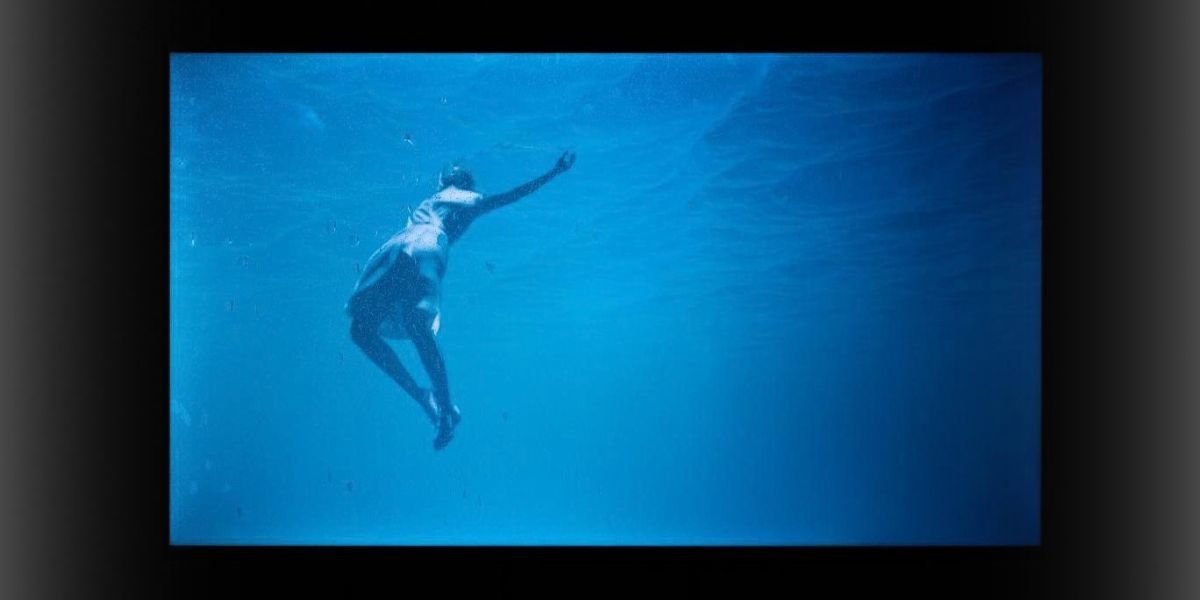
Black and white are not only tropes for tension and contradiction, but also formal equivalents for a logic that, in space, defines hollowness and mass, as well as for one that paces the passage of time: small black landscapes, between the pictorial and the graphic, surface from white backgrounds almost like casts of real objects, whilst screens that remain dark or blank between moments underscore how images both appear and dissolve in video art. For Zhang, there is much to be apprehended in spaces or things containing nothing or merely representing a chromatic backdrop, in the feeling of being devoid that an artwork can convey, and in the absence of something that has appeared or is yet to appear as conceptually significant. Blankness, in aesthetic experience, is simply nothing; it is the active condition in which meaning unfolds through the interplay of emergence and disappearance, presence and absence, continuity and discontinuity, literality and metaphoricity.
Once blankness is established in the perceptual domain, the gallery itself, its architectural elements left physically unoccupied and any length or height of wall uncovered by works of art, is turned into silenced utterances. Spatial gasps and discontinuities begin to function like syntax and diction, metaphorically transforming the exhibition space into language. By the same token, silenced utterances can be understood as forms of repression: through the accumulated loss of verbal expression, identity begins to rupture, like a punctured canvas whose surface develops openings. As BLANKNESS brings language, personal expression, and identity to the fore, Zhang’s curation reveals how silencing within social structure is rarely neutral. To silence a voice or suppress the expression of an opinion is to produce invisibility, erasure, and exclusion, and, ultimately, an uneven and democratically discontinuous society.
This further explains the placement of a white carrier bag on a plinth, evoking a handbag as a symbol of female luxury and exclusivity, beside a black painting: the capitalist order confers value on objects by elevating their financial value and asserting their uniqueness, just as black pictorial grounds and a white object invoke colour as a category of social distinction. Here, Zhang’s interest lies in showing how social structures produce blankness by depriving people of voice, identity, and the conditions for equal participation.