
By: Zach Miller
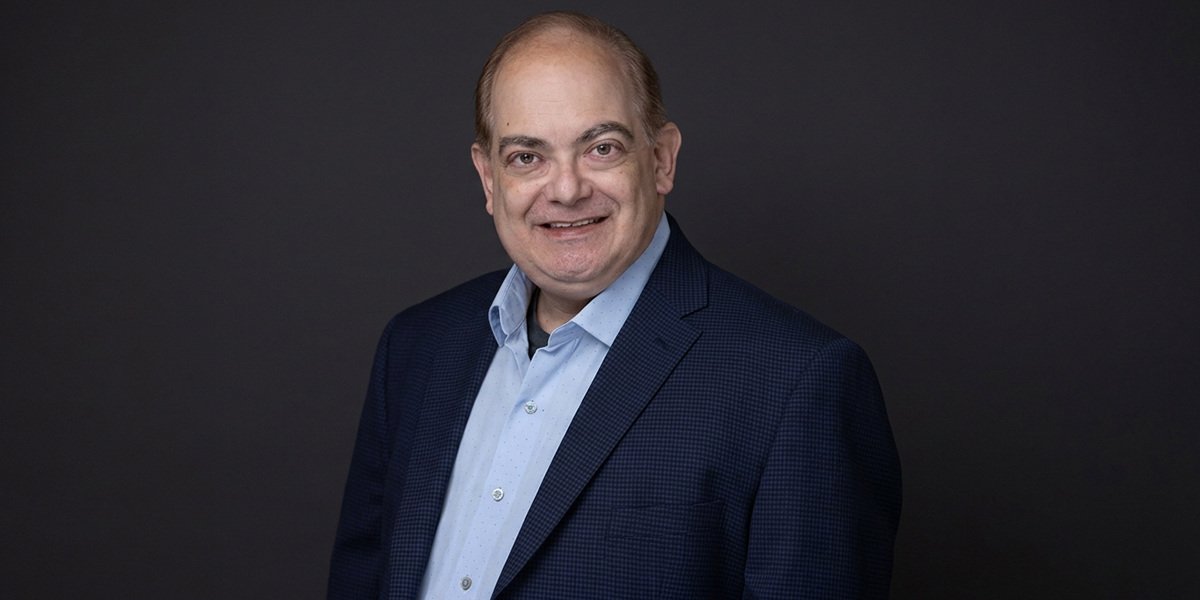
Robert Kraus, CEPS, CNS, MMP, owner of PopUpsByDesign, has invaluable advice for artists looking to display their work.
He recommends artists stop renting a booth or displaying in galleries because craft fairs make artists pay hundreds or even thousands of dollars for a tiny space on the floor, and commercial galleries usually take up to 50% commission from sales.
Instead, Robert Kraus reveals why the answer lies in pop-ups. Strategically designed pop-up shops allow artists to have full control over the space, the customer relationship, and the economics.
He further looks at the art pop-up from an event planner’s perspective. “The space is part of the product.” Even if a painting is brilliant, how people enter the area, navigate it, ask questions, and purchase could shape their recollections. Art pop-ups could help draw attention, build relationships, gauge demand, and develop a customer base that can be contacted once the event ends.
Start With the Room, Not the Artwork
The usual planning order is easy to understand: finish the collection, then find somewhere to display it.
Robert Kraus has a different view on this. Define the target audience and the behavior you expect from them. Do you launch a new collection? Do you meet collectors? Are you testing out a neighborhood? Or moving small artworks during the holidays? Do you create a mailing list? Each of these answers will define your space requirements differently.
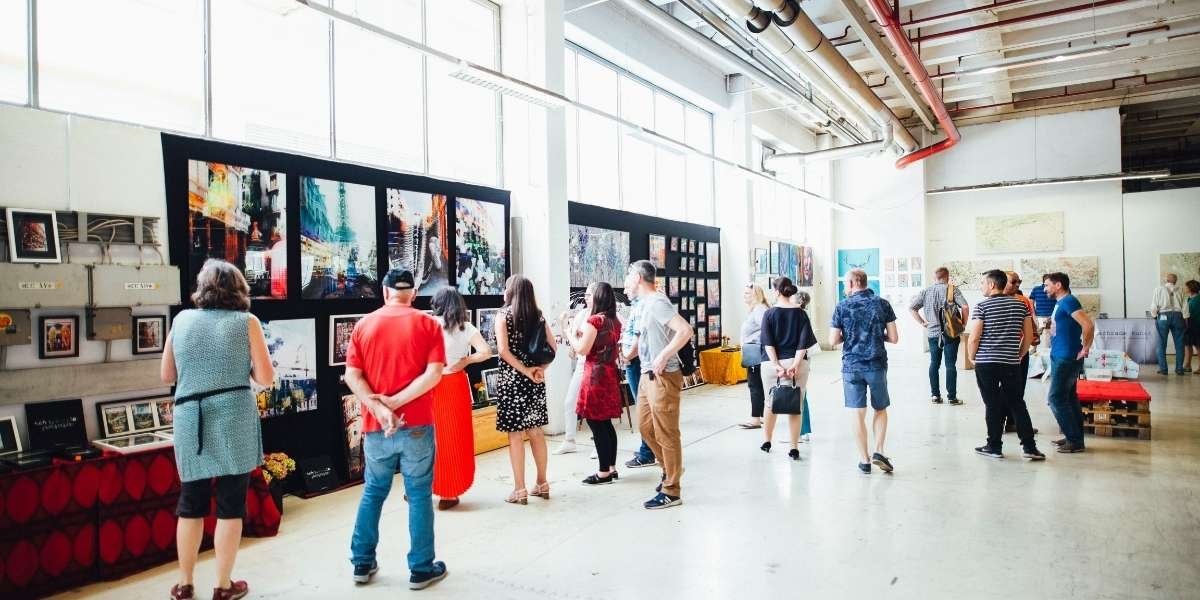
A destination gallery might be appropriate for collectors. A storefront adjacent to similar businesses could be appropriate for discovery. A white-box gallery could give enough room to one artist for demonstration or workshops.
Venue selection is a strategic choice, not a rental choice. It’s all about leveraging the geography of your audience, the demographics of your buyers, the foot traffic, and the spending habits of the neighborhood.
The First Five Minutes Matter
“Watching an artist work triggers natural curiosity. Passersby stop to watch a craftsman the same way crowds gather around a street performer. It breaks the stiff silence of typical gallery spaces and invites effortless conversation.”
People enter a pop-up with very limited attention and make quick judgments about what kind of place they have entered.
Give them an immediate visual anchor. A working easel, print station, clay wheel, sketch table, or artist demonstration can do more than decorate the room. It allows them to have something to look at and a ready-made way to initiate communication. In Robert Kraus’ concept of “living studio,” the artist becomes part of the experience, with visitors watching the work being created, asking questions, and seeing the creative process unfold rather than simply viewing finished pieces.
Design the first five minutes. What does a visitor see first? What should he do next? Where are the most prominent works located? Where can he ask a question without feeling like he is being rude by doing so? Where does the buying take place?
An art pop-up should be easy to enter. The visitor should not require a tour guide to navigate the room.
Give the Day a Pulse
“A static store relies on luck. An activation relies on an agenda. Don’t expect people to show up simply because the door is open; give them a specific reason, time, and excuse to walk in by layering mini-events throughout your run.”
Robert Kraus has also examined how a pop-up space can become quiet if all that’s planned is “We’re open from 11 to 6.” Programming solves this problem.
Rather than treating all hours equally, create a purpose for each segment of the day. The preview of the exhibition can serve to thank collectors, an artist talk can draw curious seekers, a workshop can encourage participation, and conversations with local creatives can engage a second audience in the same space.
Hence, it is more likely that a pop-up will get more publicity if it has events rather than just one opening date.
The schedule needs to align with your audiences. Weekday nights work better with professionals; weekend mornings would be more suitable for families or locals.
Make the Pop-Up Continue After Closing
The final purchase should not mark the final engagement. Each attendee can become a source of future demand, even in the case of leaving without any purchases. Just an email subscription, QR codes, a collector’s list, a social media follow, or an invitation to the next studio event could transform each quick conversation into a long-term relationship.
Studies of pop-ups show that visibility, customer connection, and audience growth tend to be among other organizational priorities besides revenue generation. In the case of artists, this implies tracking metrics beyond sales.
Robert Kraus’s Advice for Owning the Format
“The issue isn’t your art. The issue is structural. At a festival or fair, you are renting access to someone else’s audience. You are one of fifty or a hundred competing stalls, fighting for thirty seconds of divided attention.”
Control over the format is perhaps the concept underlying art pop-ups. Participation in an overcrowded crafts fair provides the artist with a small piece of somebody else’s event. The use of a separate temporary space grants more control over timing, display, programming, price, sound, light, and traffic. This kind of pop-up can also serve as a low-commitment opportunity for testing the market before leasing it permanently.
Robert Kraus’ approach leads us to an important principle of planning: start from your audience. Select the room according to your audience, develop a visitor route, create a reason to come back, and do follow-up before the grand opening day.
“By ditching the tent and taking over an alternative commercial space for a solo or curated direct-to-consumer pop-up, you eliminate the competitive noise, control every sensory variable, and turn a transactional craft booth into an unforgettable cultural destination.”
Connect with Robert Kraus on LinkedIn for more perspectives on designing art pop-ups that do more than sell for a weekend.