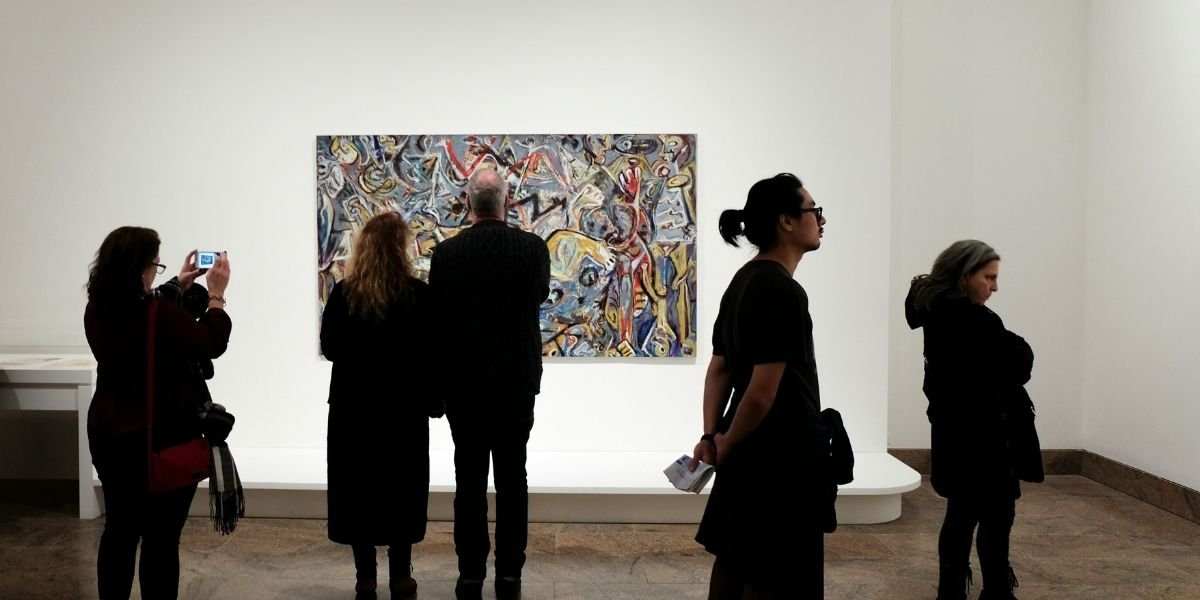

Eight British-based artists preparing to show work at Frieze London 2026 have shared how materials, personal experiences and cultural influences shape their art. Their practices span sculpture, painting, charcoal drawing, photography, printmaking and textiles. The fair takes place October 14–18 in Regent’s Park, London.
Key Takeaways
- Eight artists discussed the ideas and methods behind works prepared for Frieze London 2026
- Kira Freije combines metal and fabric in sculpture, while Jake Grewal works with charcoal and painting
- Mohammed Z Rahman draws on Bangladeshi craft traditions, and Alvaro Barrington incorporates hip-hop into portraiture
- Poppy Jones and Christina Kimeze explore how unconventional surfaces affect an artwork
- Frieze London runs October 14–18 in Regent’s Park
Frieze London Artists Prepare for the 2026 Art Fair
Kira Freije, Mohammed Z Rahman, Jake Grewal, Alvaro Barrington, Louise Giovanelli, Shaqúelle Whyte, Poppy Jones and Christina Kimeze have discussed the works they are presenting and the decisions behind them.
Their accounts move beyond finished images to the methods used in the studio. Some focus on combining materials, while others draw on family histories, music, memories or familiar objects. Those differences show how artists arrive at distinct forms of expression within the same contemporary art fair.
Contemporary Artists Explore Sculpture, Painting and Drawing
Freije makes figurative sculptures using metal and fabric. Her wall-based gesture works, cast in materials including aluminium and bronze, suggest groups of figures and bring contrasting textures into a single composition.
Grewal works in charcoal and paint, often placing ambiguous figures in landscapes. One drawing depicts two figures following each other through a forest, using the atmosphere of the scene to suggest a story without defining it. The relationship between surface and form also appears in painting and sculptural materials, where constructed elements extend an image beyond the canvas.
Giovanelli explores desire and perception through painting. One work combines the image of a face with a glittering curtain, bringing together two visual subjects she had previously developed separately. Whyte, meanwhile, is showing paintings produced during a period of experimentation between larger projects.
Personal Histories and Cultural References Inform Artistic Practices
Rahman connects his practice to family life and Bangladeshi craft. His mother worked with textiles, and fish motifs on a painted wooden crate draw from kheta stitching, a rural folk tradition. He works across figurative painting, sculpture and installation, drawing on stories and objects as well as inherited techniques.
His use of folk motifs reflects the place of traditional imagery in contemporary art, where established visual forms can take on new meanings through different materials and settings.
Barrington approaches portraiture through hip-hop culture. His painted head draws on the music and visual influences that shaped his understanding of identity, bringing contemporary cultural references into an established painting genre.
Unconventional Materials Shape the Finished Artwork
Jones combines painting, printmaking and photography, often working on surfaces cut from clothing. Sometimes the material used as the canvas also appears as the image’s subject. Her work Statues Also Die (Man Ray) draws on a photograph she took of a book surrounded by pine cones and forest debris, revisiting how an image changes through time and context.
Kimeze deliberately works with materials outside conventional painting surfaces. In Game On (Crane’s Cut), she uses oil sticks and pastels on suede mat board to depict a woman shuffling cards. A crane references Uganda, while the playing-card motif addresses chance, migration and the circumstances of birth.
For both artists, the surface is integral to the work. Clothing fabric and suede mat board influence the techniques available to them and contribute to the meanings of the finished images.
Frieze London Connects Artists With International Audiences
Frieze London and Frieze Masters are scheduled to run concurrently in Regent’s Park from October 14 to 18. Together, the fairs will feature almost 300 galleries from 48 countries and regions, according to the organizers.
Within that international setting, the artists’ accounts offer a more personal view of the creative process. They give visitors a way to understand how a particular sculpture, drawing or painting developed from choices about materials, imagery and experience.
Frequently Asked Questions
When does Frieze London 2026 take place?
Frieze London runs from October 14 to 18, 2026.
Where is Frieze London held?
The contemporary art fair takes place in Regent’s Park, London.
Which artists discussed their work ahead of Frieze London 2026?
The eight featured artists are Kira Freije, Mohammed Z Rahman, Jake Grewal, Alvaro Barrington, Louise Giovanelli, Shaqúelle Whyte, Poppy Jones and Christina Kimeze.
What artistic disciplines do they work in?
Their practices include sculpture, painting, charcoal drawing, photography, printmaking, textiles and installation.
How do cultural influences appear in their work?
Rahman draws on Bangladeshi folk craft and family experiences, while Barrington brings hip-hop references into painted portraiture. Other artists use memories, imagery and material choices to shape their work.