
Dr. Tonse Narayana Krishna Raju’s professional life has developed at the intersection of clinical medicine, neonatal research, public service, academic publishing, and the history of medicine. His career has included work as a pediatrician and neonatologist, professor, neonatal intensive-care leader, National Institutes of Health official, journal editor, researcher, author, translator, and historian of medicine.
Alongside his scientific work, Dr. Raju developed another enduring interest: understanding and communicating the history behind medicine’s discoveries. That interest eventually produced books exploring Nobel Prize-winning science, unusual stories from medical history, South Indian cultural traditions, fiction, and literary translation.
Building a Career in Pediatrics and Neonatology
Dr. Raju’s academic medical career developed primarily at the University of Illinois at Chicago.
After serving as an instructor and assistant professor, he progressed through academic appointments that included Associate Professor of Pediatrics and, beginning in 1990, Professor of Pediatrics and Obstetrics & Gynecology.
He also served as Acting In-Charge of the Division of Neonatology and later as Medical Director of the Neonatal Intensive Care Unit from 1996 to 2002.
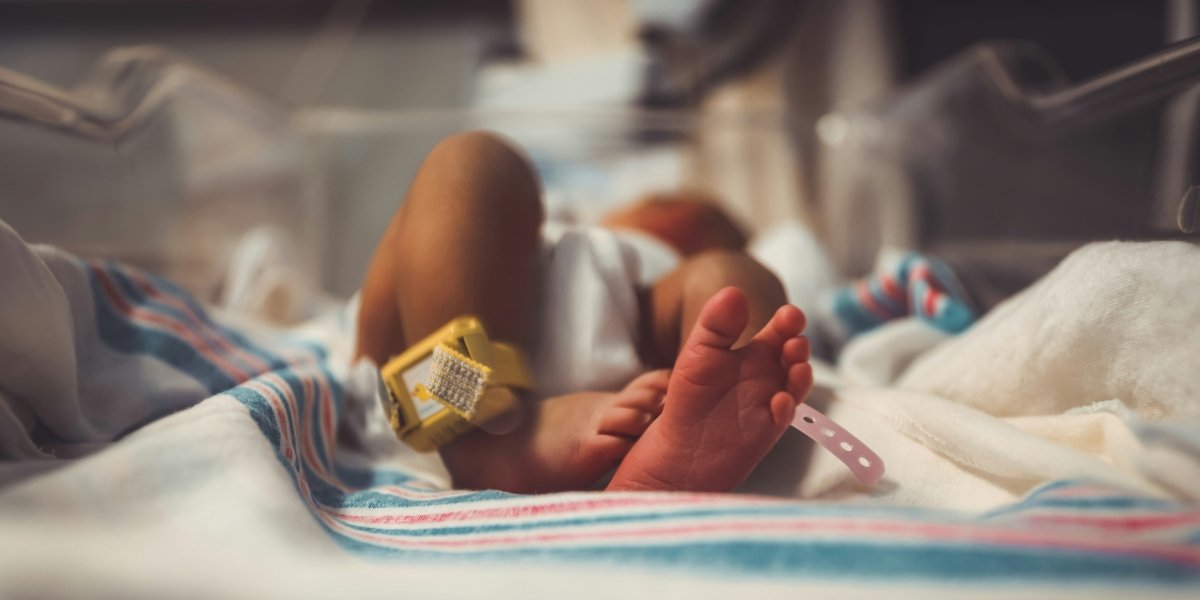
As a neonatologist, Dr. Raju directed the care of newborn infants in neonatal intensive care and treated and followed infants in outpatient settings.
His clinical and research interests concentrated on some of the most difficult problems encountered during the earliest stages of life: neonatal brain injury, reduced cerebral blood flow, intracranial bleeding, respiratory disease in premature infants, infections, neonatal intensive care, and methods of monitoring newborn patients with minimal or non-invasive intervention.
From Academic Medicine to the National Institutes of Health
A major transition occurred in 2002 when Dr. Raju joined the National Institute of Child Health and Human Development (NICHD) as a Medical Officer in its Pregnancy and Perinatology Branch.
He remained associated with the branch for years and became its Chief in 2013. His career later extended to the Environmental Influences on Child Health Outcomes (ECHO) Program within the Office of the Director at the National Institutes of Health.
His work at the NIH provided opportunities to stimulate and support research across multiple areas, including patient safety in neonatal and perinatal care, minimally or non-invasive medical devices, pregnancy among women with disabilities, neonatal resuscitation, and other areas affecting mothers and newborns.
Contributions to Neonatal Medicine
Among the contributions Dr. Raju identifies as particularly important is his role in introducing the phrase “late preterm” and proposing a definition for this group of infants. The terminology subsequently became part of the standard vocabulary used in neonatal and perinatal medicine.
He also contributed to research literature associated with the development and eventual commercialization of an animal-derived pulmonary surfactant preparation for neonatal medicine.
His research covered cerebral perfusion and intracranial pressure in newborns, neonatal respiratory disease, surfactant therapy, patient safety, perinatal stroke, medical devices used in neonatal intensive care, umbilical cord clamping, retinopathy of prematurity, and the health outcomes of people born prematurely.
Dr. Raju reports 207 peer-reviewed papers and identifies a larger body of 265 publications when peer-reviewed papers and textbook chapters are considered together.
His research appeared in medical journals including The Lancet, Pediatrics, The Journal of Pediatrics, Pediatric Research, American Journal of Perinatology, Journal of Perinatology, Obstetrics and Gynecology, Biology of the Neonate, and Acta Paediatrica Scandinavica.
Two works he particularly identifies for their impact are his 1987 Lancet paper on surfactant treatment and his 2006 Pediatrics publication concerning late-preterm infants.
Recognition Across a Long Medical Career
Dr. Raju’s professional record also includes numerous institutional and professional honors.
Among the recognitions listed in his questionnaire are National Institutes of Health Director’s Awards in multiple years, the 2018 NICHD Lifetime Achievement Award, NICHD and NIH merit and collaboration awards, the American Academy of Pediatrics Young Investigator Award, the Chicago Pediatric Society’s Joseph P. Brenneman Award, and the Most Distinguished Physician Award from the American Academy of Pediatrics of Indian Origin.
He has also been a Fellow of the American Academy of Pediatrics and the College of Physicians of Philadelphia.
Beyond research and clinical practice, Dr. Raju has participated in numerous professional societies. He served as president of the Society of Medical History of Chicago from 1993 to 1995 and has been Deputy Editor of the Journal of Perinatology since 2019, according to the questionnaire.
When Medicine Meets History
Parallel to his scientific career, Dr. Raju developed a sustained interest in the history of medicine.
For him, medical history is not simply a record of old discoveries. He views it as a means of understanding the complex process through which scientific knowledge develops and of learning from the obstacles and mistakes encountered by earlier researchers.
That perspective became central to his work as an author.
His first edition of The Nobel Chronicles: A Handbook of Nobel Prizes in Physiology or Medicine, 1901–2001 was published in 2002 by AuthorHouse. Dr. Raju says the project grew from his interest in medical history and required approximately three years of research.
The book combined the biographies of Nobel Prize winners with the science associated with their achievements, providing material intended for a general readership.
Expanding The Nobel Chronicles
More than two decades later, Dr. Raju substantially expanded the project.
The Nobel Chronicles: A Handbook of Nobel Prizes in Physiology or Medicine, 1901–2024 (Second Edition) was published in 2025, with the questionnaire identifying Auctorem House and Boundless Books as publishers.
The expanded work covers the Nobel Prize in Physiology or Medicine from 1901 through 2024 and includes brief biographies of 229 Nobel Prize-winning scientists.
But the project is about more than listing laureates.
Dr. Raju explains that the book examines what inspired scientists to undertake their prize-winning research, the effects their discoveries or inventions had on human health globally, and important elements of their biographies.
Researching and compiling the expanded edition took approximately five years. Dr. Raju used libraries, materials cited throughout the book, and information from the Nobel Foundation’s website as research sources.
A significant portion of his medical-history writing had an earlier academic outlet: according to his questionnaire, 91 of the biographies were originally published in The Lancet.
For Dr. Raju, the educational purpose behind the project is clear. He hopes readers will understand how medical research has affected human health and how scientific breakthroughs emerge from a complicated research process.
Tales From the History of Medicine
Dr. Raju also explored medical history through The Importance of Having a Brain: Tales from the History of Medicine.
The first edition was published in 2002 by AuthorHouse. Rather than concentrating exclusively on Nobel laureates, the book presents assorted stories from the history of medicine, drawing upon literature research and cited sources.
An expanded second edition followed in 2025. According to Dr. Raju’s questionnaire, the second edition received a Kirkus Review.
Together, The Nobel Chronicles and The Importance of Having a Brain demonstrate his effort to make medical history accessible beyond specialist academic audiences.
Beyond Medicine: Fiction, Proverbs, and Translation
Dr. Raju’s writing career extends well beyond medical science.
His literary bibliography includes Betalaraya (Royal Devil), a Kannada-language short-story collection published in 1980, and Paschimayana (A Story from the West), a Kannada novella published in 1981.
He later published Don’t Stand in Front of a Palace or Behind a Horse: An Illustrated Book of South Indian Proverbs, first released in 2002 and expanded in a second edition in 2025.
His Kannada literary work also includes KathegaLu mattu Kadambari, published in 2006.
Translation became another component of his literary career. Dr. Raju translated Yasunari Kawabata’s Thousand Cranes from English into Kannada under the title Savira PakshigaLu. He also served as a co-translator of Poems and a Novella by A. K. Ramanujan, working between Kannada and English.
These works reveal a literary identity that exists alongside his scientific one, connecting medicine, history, language, culture, and storytelling.
Preserving the History Behind Scientific Progress
Dr. Raju considers increasing interest in medical history to be an important part of his professional contribution.
He states that he worked to make medical history a more popular and engaging subject and encouraged pediatric professional organizations to incorporate medical-history sessions into their annual conferences.
He specifically points to the “Historical Perspectives” session at Pediatric Academic Societies meetings as an example of medical history maintaining a regular presence within professional scientific gatherings.
His books can therefore be viewed as an extension of the same educational philosophy that shaped his academic medical career: knowledge becomes more valuable when people understand not only what is known, but how that knowledge was discovered.
A Career Across Science and Storytelling
Dr. Raju’s career brings together roles that are often considered separately.
As a neonatologist, he cared for vulnerable newborns. As a researcher, he investigated neonatal brain injury, respiratory disorders, surfactant therapy, patient safety, cord clamping, and other issues in perinatal medicine. As an NIH official, he helped encourage and support research. As an educator, he trained medical professionals. And as an author and translator, he explored the people, discoveries, histories, languages, and stories surrounding medicine and society.
His scientific publications document changes in neonatal and perinatal medicine, while his books seek to preserve the human stories behind scientific discovery.
The connection between these two sides of his career is education.
Whether writing about Nobel laureates, teaching neonatal medicine, mentoring young physicians, presenting at scientific meetings, translating literature, or documenting episodes from medical history, Dr. Raju’s work has repeatedly returned to the same broad purpose: helping knowledge move from one generation to the next.