In the vibrant heart of Brazil, where samba rhythms pulse through the streets and the spirit of celebration is woven into everyday life, a music festival was born that would redefine global entertainment. Rock in Rio, first held in 1985, wasn’t just a concert—it was a cultural awakening. It marked Brazil’s emergence onto the international music scene and set the stage for a festival that would grow to become one of the largest and most influential in the world.
The brainchild of entrepreneur Roberto Medina, Rock in Rio was envisioned as a bold statement: a world-class music event that could rival the likes of Glastonbury and Woodstock, but with a distinctly Brazilian soul. The inaugural edition was a seismic success, attracting over 1.3 million attendees across ten days and featuring legendary acts like Queen, AC/DC, Iron Maiden, and Rod Stewart. For many Brazilians, it was their first time experiencing international rock icons live. For the artists, it was a chance to connect with a passionate audience in a country hungry for cultural expression after years of political repression.
What made Rock in Rio extraordinary wasn’t just its scale—it was its timing. Brazil was emerging from a military dictatorship, and the festival became a symbol of freedom, creativity, and global connection. It was a celebration of democracy, youth, and the power of music to unite across borders. The atmosphere was electric, the performances unforgettable, and the legacy immediate.
From Local Phenomenon to Global Brand
As the years passed, Rock in Rio evolved from a national phenomenon into a global brand. In 2004, the festival expanded to Lisbon, Portugal, bringing its signature blend of music, spectacle, and social consciousness to European audiences. Madrid followed in 2008, and in 2015, Rock in Rio made its debut in Las Vegas, marking its first foray into the United States. Each new location brought its own flavor, but the essence remained the same: a celebration of music’s power to inspire, connect, and transform.
Despite its international reach, Rio de Janeiro remains the spiritual home of the festival. The “City of Rock,” a purpose-built venue designed to host the event, transforms into a sensory playground every time the festival returns. It’s not just a concert space—it’s a miniature city, complete with multiple stages, thrill rides, interactive art installations, themed zones, and food courts that reflect Brazil’s rich culinary diversity. Attendees don’t just come for the music; they come for the experience, the energy, and the sense of belonging that permeates every corner of the venue.

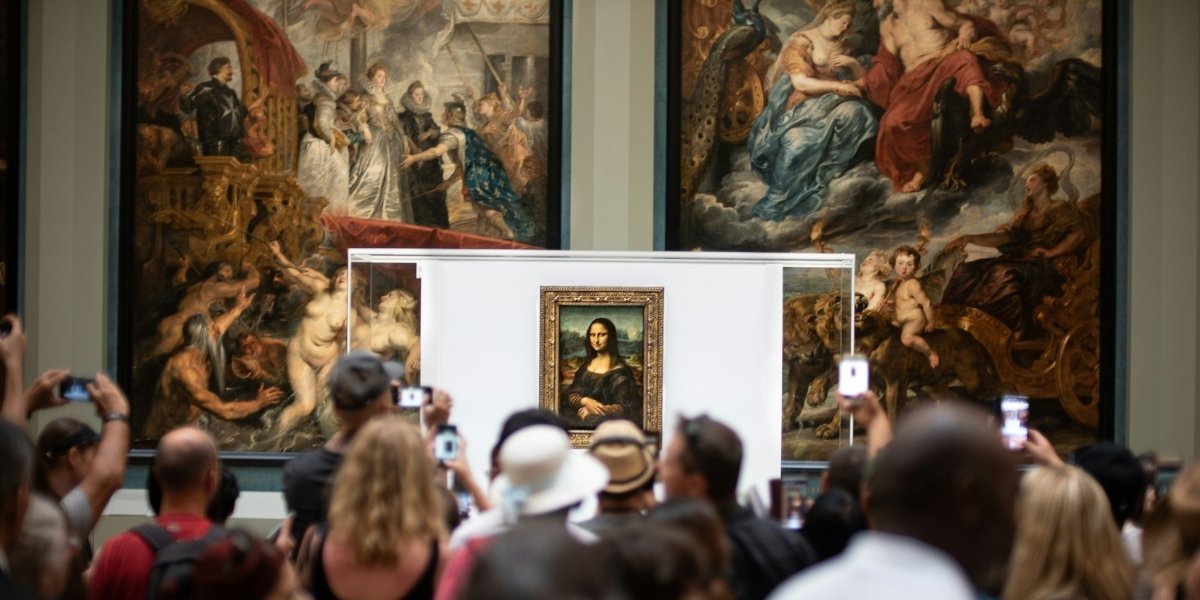
Photo Credit: Unsplash.com
Over the decades, Rock in Rio has hosted some of the most iconic performances in music history. Freddie Mercury’s crowd-led rendition of “Love of My Life” in 1985 remains one of the most emotional live moments ever captured.
Beyoncé’s 2013 headlining set brought pop royalty to the stage with unmatched charisma and precision. Iron Maiden, Metallica, Guns N’ Roses, Rihanna, Coldplay, and Dua Lipa have all graced the Rock in Rio stage, proving the festival’s genre-spanning appeal and its ability to attract top-tier talent from across the musical spectrum.
A Festival That Celebrates All Sounds
What sets Rock in Rio apart from other festivals is its commitment to inclusivity and diversity. It’s not just a rock festival—it’s a celebration of all music. Pop, EDM, Latin, funk, and indie acts share the stage with heavy metal legends and classic rock icons. This eclectic mix reflects the evolving tastes of global audiences and ensures that every edition of the festival feels fresh, relevant, and emotionally resonant.
Beyond the music, Rock in Rio has always embraced a deeper mission. From its earliest days, the festival has championed social and environmental causes. The “For a Better World” campaign, launched in the early 2000s, promotes sustainability, education, and community engagement. The festival has invested in reforestation projects, supported local schools, and encouraged attendees to adopt eco-friendly habits. This fusion of entertainment and activism has helped Rock in Rio maintain its cultural relevance and moral compass in an increasingly commercialized industry.
For first-time attendees, Rock in Rio can be overwhelming—in the best possible way. The sheer scale of the event, the diversity of performances, and the immersive environment create a sensory overload that’s both exhilarating and unforgettable. Planning ahead is essential. Tickets sell out quickly, especially for nights featuring major headliners. Accommodations near the venue, such as in Copacabana or Ipanema, offer easy access and a taste of Rio’s legendary nightlife.
Immersion, Logistics, and Local Flavor
Packing smart—comfortable shoes, portable chargers, and rain gear—is key to surviving long days and unpredictable weather. But beyond logistics, the real magic of Rock in Rio lies in its atmosphere. There’s a palpable sense of unity, of shared joy, of collective celebration. Strangers become friends. Music becomes memory. The boundaries between artist and audience blur, creating moments of intimacy and transcendence that linger long after the final encore.
As Rock in Rio approaches its 40th anniversary, the festival continues to innovate. The 2024 edition introduced new stage designs, expanded digital interactivity, and featured collaborations between artists from different genres and continents. The 2025 edition promises even more surprises, with a lineup that reflects the festival’s commitment to both legacy and discovery. Emerging artists will share the spotlight with global superstars, and the City of Rock will once again pulse with the energy of a generation seeking connection through sound.
In a world where music festivals are increasingly curated, branded, and commodified, Rock in Rio stands out as gloriously unpredictable, emotionally raw, and universally magnetic. It’s a place where music isn’t just heard—it’s felt. Where culture isn’t just consumed—it’s created. And where every muddy field, every shared chorus, every spontaneous dance becomes part of a larger story—a story of joy, resilience, and the enduring power of music to bring people together.
A Movement That Transcends the Stage
Rock in Rio is more than a festival. It’s a movement. A memory. A moment suspended in time. Whether you’re dancing under the stars in Rio, Lisbon, or beyond, you’re part of something bigger—a global chorus of voices singing not just for entertainment, but for unity, for peace, and for the sheer thrill of being alive.