
By Narrative Studio
How childhood photographs and fragile materials become a way of searching for identity.
Artist Jennifer Boyuan Han has recently presented her Sand Series in two Bay Area exhibitions, where her work explores memory, identity, and the fragile ways personal history is preserved. Working with childhood photographs and colored sand, Han transforms fragments of the past into images that feel both intimate and distant.
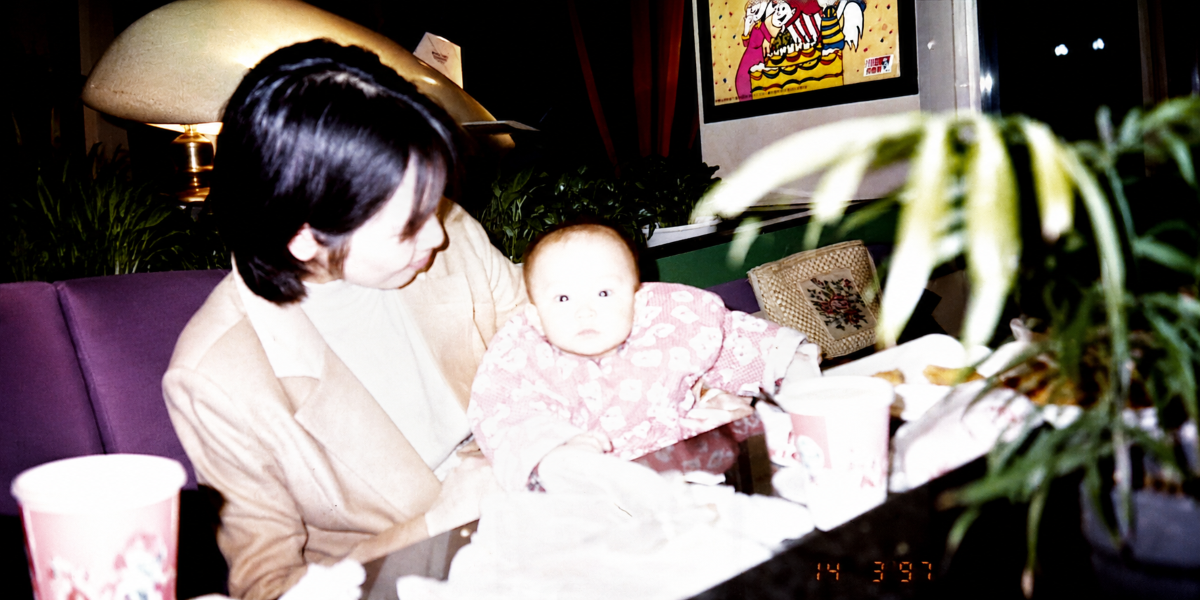
Taken between 1997 and 1998, when Han was one or two years old, these images capture a period of her life that she cannot fully remember. The photographs preserve moments from her childhood, yet they also create a sense of distance. Looking at the young child in the images, Han recognizes herself while simultaneously encountering someone unfamiliar. The photographs become evidence of a past that belongs to her, but one that exists beyond her direct memory.
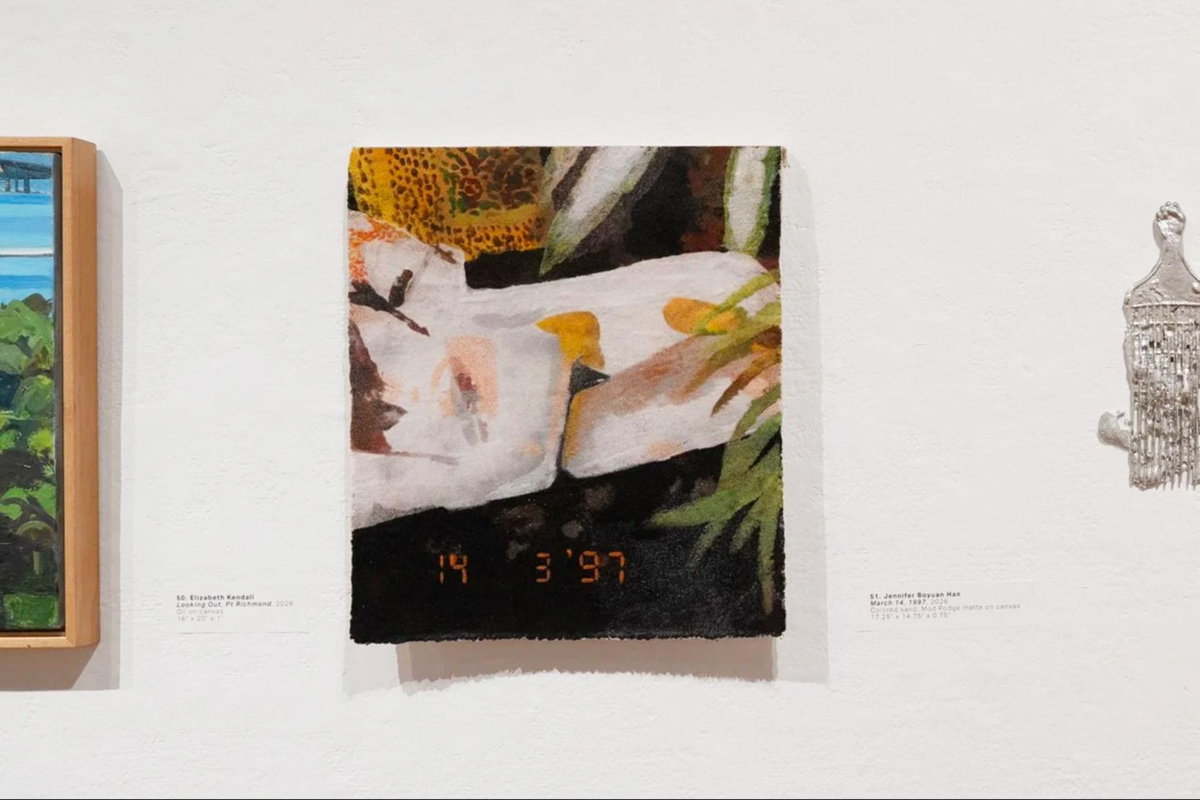
This feeling of connection and separation became the foundation of Han’s ongoing Sand Series, a body of work that examines memory, identity, and the relationship between personal history and cultural experience. Through colored sand and fragmented photographs, Han reconstructs childhood images into dreamlike compositions that exist between reality and imagination.
Han belongs to one of the last generations whose earliest memories were preserved through printed photographs instead of digital archives. Before the widespread use of smartphones and cloud storage, family photographs existed as physical objects that could be held, damaged, misplaced, or rediscovered years later. For Han, these photographs are not simply records of the past. They are materials that continue to change meaning as time passes.
The process of creating her sand paintings begins with fragmentation. Han carefully tears apart photographic images and rearranges the pieces into new compositions. The original image is never completely recovered. Instead, fragments of the photograph become part of a larger visual language that combines personal memory with imagination.
The choice of sand as a primary material is deeply rooted in Han’s personal history. Her relationship with sand began long before she became an artist. During her early childhood in China, Han’s mother would take her to the shopping mall every weekend, where children’s craft tables were often set up with small activities. One activity that stayed with her was creating sand art on adhesive boards. Children would place layers of colorful sand onto printed images of cartoon characters, filling the outlined shapes with bright textures and playful colors. Although these childhood experiences were simple moments of creativity and play, they left a lasting impression on Han. Thus, the material carried a personal connection to her earliest experiences of making art while also offering a deeper metaphor for time, transformation, and reconstruction.
“Sand feels unstable but alive to me,” Han says. “It makes the image to exist in a state of reconstruction instead of permanence.”
Sand holds a relationship with both physical memory and digital imagery. Each individual grain is small and seemingly insignificant, but thousands of grains together create complex images, similar to the way pixels form a digital photograph. For Han, sand becomes a bridge between the physical and the digital. Her works begin with printed family photographs from a pre-digital childhood and are rebuilt through countless tiny particles, creating a conversation between traditional image-making and contemporary forms of visual memory. At the same time, sand remains an unstable material. Each grain can shift, scatter, or disappear, shaped by movement and environment. This quality connects deeply with Han’s understanding of identity. Just as a photograph can preserve a moment while leaving countless details forgotten, the identity of individuals continues to change as people grow, move, and encounter new places.
Born in Nanjing, China, Han moved to the United States in 2014. Her experience of migration has shaped the way she approaches questions of identity and belonging. Living between cultures has created a continuous dialogue between where she comes from and who she is becoming. The family photographs serve as a connection to her origins, while the act of transforming them reflects the complexity of building a new sense of self in another country.
Han’s work is deeply connected to the idea of cultural memory. Personal photographs contain stories beyond the individual. They preserve family relationships, places, traditions, and moments that may otherwise disappear. By transforming her own archive, Han considers how memories are passed down, altered, and reconstructed across generations and geographic boundaries.
The relationship between presence and absence is another important aspect of Han’s work. The photographs she uses reveal only partial stories. They show expressions, gestures, and environments, but they cannot fully explain the experiences surrounding those moments. This gap between what is visible and what is missing creates space for imagination. Han is interested in the emotional landscapes that emerge from those unanswered questions.
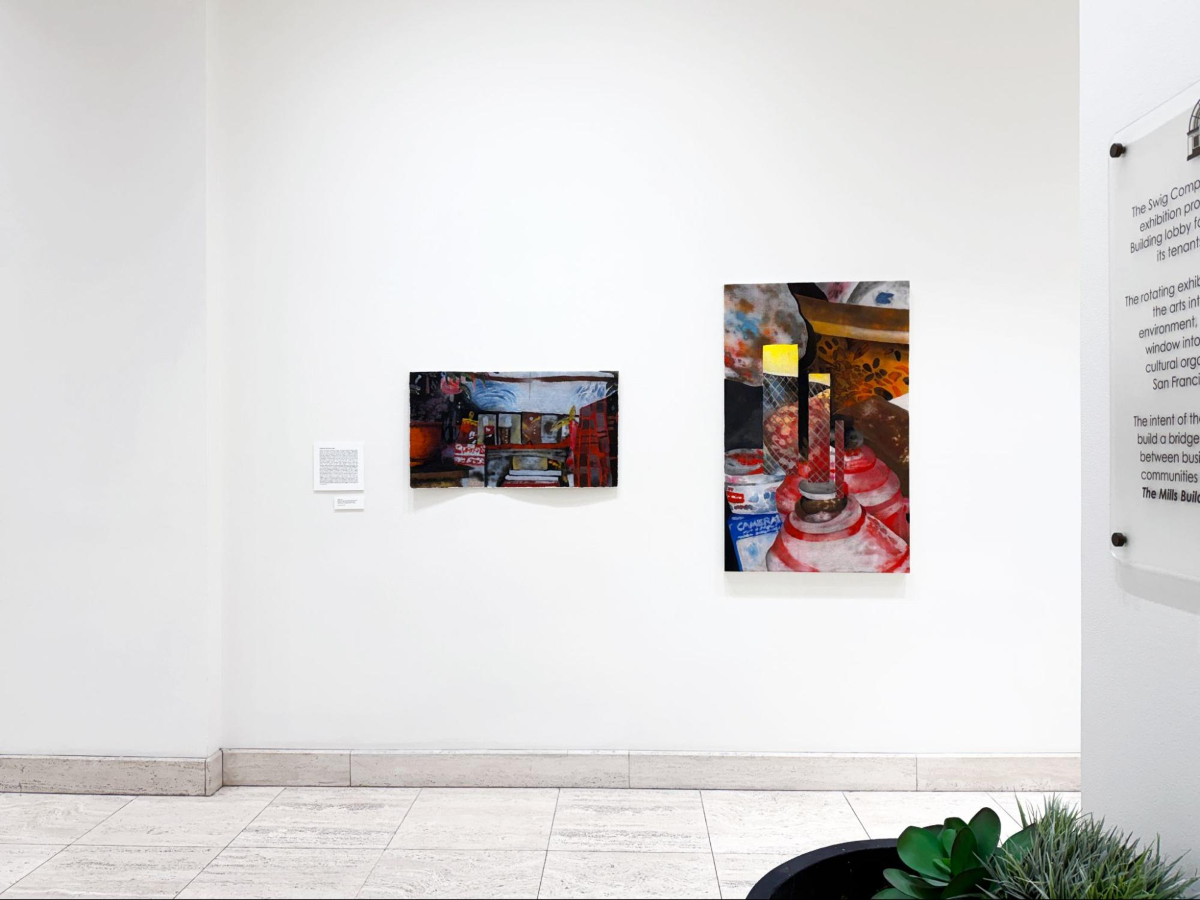
This ongoing exploration has recently been presented through exhibitions such as New Position at the Mills Building in San Francisco and I have considered the lilies, or, Everything is fine and alright forever at the Berkeley Art Center. These exhibitions bring Han’s sand paintings into conversation with audiences who may have their own relationships with photographs, family histories, and memories of places they have left behind. The exhibitions provide an opportunity to consider how individual stories connect with larger experiences of migration, cultural transition, and the search for belonging.
Many viewers recognize their own experiences in the emotional qualities of the paintings. The feeling of looking back at a moment that can never be fully returned, the relationship between memory and distance, and the desire to understand one’s own history are experiences shared across cultures.
Han’s artistic practice asks a simple but complex question: What remains when cultural memories begin to change?
Website: www.jenniferboyuanhan.com
Instagram: @boyuanhan0622