
What Does a Musical Director and Band Actually Do?
Behind every seamless performance, whether on tour or on television, there’s one consistent element: the musical director and band. While audiences watch the star at center stage, the unseen coordination and real-time adaptation happening behind the scenes is what makes the show feel alive. The musical director is not just leading the band—they’re translating creative vision into something you can feel through every note.
They guide the entire musical experience. This means selecting arrangements, adjusting tempo on the fly, cueing transitions, and maintaining the pulse of the show. Every performer, from backup singers to drummers, follows their lead. When things go wrong, it’s the musical director who keeps it from falling apart. In a way, they’re like an onstage producer—balancing control with creativity.
Read Also: How Emo Artists Influenced the 2010s Fashion
How Do the Roles of Musical Director and Band Differ?
The line between the musical director and band can sometimes blur, especially in smaller setups. But their roles are distinct. The musical director is responsible for preparation long before rehearsals even begin. They arrange songs to suit live performance, assign parts to the musicians, and work directly with artists to achieve the right feel.
The band, in turn, brings that direction to life. Every musician adds their touch—groove, texture, harmony—but always under the guidance of the musical director. It’s a relationship built on trust and timing. The director knows the capability of each member and leans on that when crafting the sound for a tour, a one-off gig, or a TV taping.
Why Is Chemistry Between Musical Director and Band Essential?
No amount of talent can compensate for poor chemistry between a musical director and band. Timing is everything. Live shows are unpredictable. A last-second change to the setlist, a broken string, or an unexpected cue can throw things off completely. When the chemistry is right, those challenges become invisible to the audience.
Rehearsal time plays a big role, but so does instinct. In well-matched teams, there’s eye contact that says more than words, subtle head nods that signal a shift, and mutual understanding that allows music to breathe. It’s less about perfection and more about unity. The musical director may set the framework, but it’s the collective awareness of the band that brings it home.
How Does a Musical Director Shape a Live Performance?
The live show is where all the behind-the-scenes planning comes to life. A strong musical director keeps the artist’s performance in sync with the music, manages tempo to suit the crowd’s energy, and ensures transitions between songs flow naturally. These shifts are not random—they’re carefully designed to create an arc in the performance.
In pop and R&B, musical directors often remix arrangements to suit a concert environment, turning three-minute singles into five-minute live moments that bring something new. In jazz or rock, they may build space for improvisation while maintaining the structure. It’s about balancing spontaneity with intention.
What Skills Make a Great Musical Director Stand Out?
Great musical directors are part conductor, part coach, part composer. They understand arrangements, know how to communicate under pressure, and bring out the best in their musicians. But perhaps most importantly, they serve the artist’s vision without losing their own voice.
They know when to push and when to pull back. During rehearsals, they manage egos, align creative opinions, and keep the group focused. On stage, they adjust dynamics in real time, catching cues that most audiences never notice. These moments—slightly speeding up a beat, pulling back volume, extending a bridge—are what elevate a performance from good to unforgettable.
How Are Musical Directors and Bands Changing With Technology?
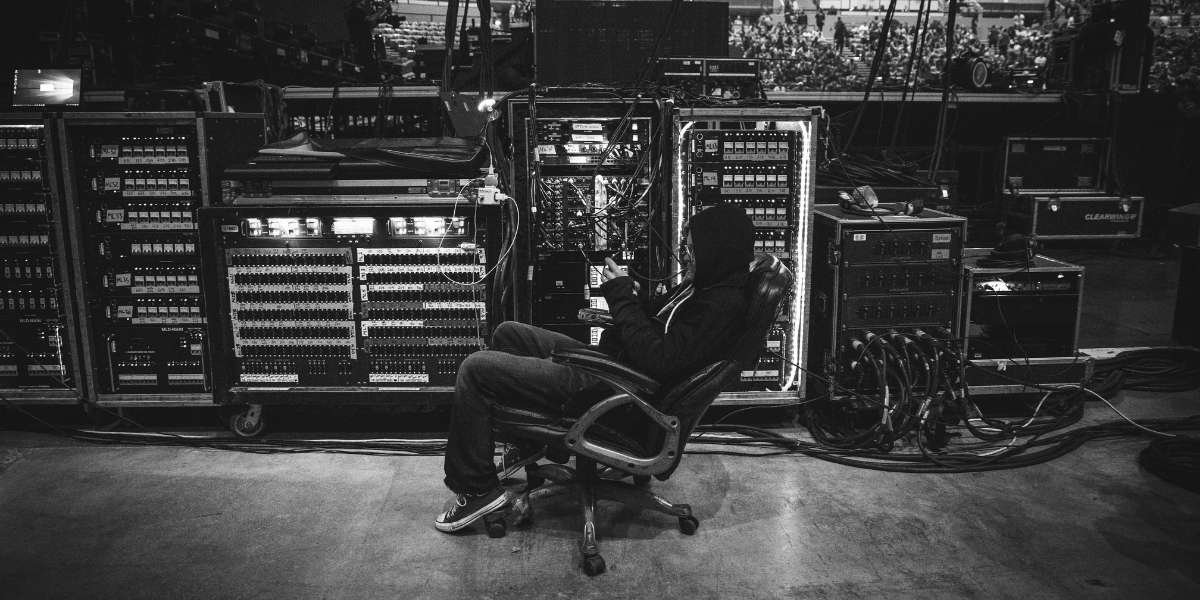
Technology has changed what it means to be a musical director and band. Live shows now include synced lighting, backing tracks, and digital effects. Musical directors often run these systems in real time or work with playback engineers to make sure every element stays in sync.
Click tracks, in-ear monitors, and digital mixing have allowed bands to replicate studio-level sound during live shows. But that precision also means higher expectations. Mistakes are more noticeable. Musical directors must now understand software as well as sound. This added layer requires flexibility—not only musical talent but tech fluency.
Read Also: The Hype Surrounding Artists Releasing Lost Tracks
Why Do Audiences Feel the Impact Without Always Seeing It?
Most audience members don’t know the names of the people behind the instruments. They may never see the musical director signal a key change with a flick of the wrist. But they feel the result. When the show is tight, the energy soars. When the emotion of the moment lands just right, it’s often because of the choices made by the director and the unity of the band.
The best musical teams operate like a single organism. Everyone breathes together, adjusts together, and plays with intention. It’s an invisible bond, but its impact is loud and lasting. What seems effortless on stage is the result of deep preparation, careful leadership, and shared passion for the craft.