Ask anyone who has stood on the red sandstone risers at sunset, watching the lights of the city flicker on below the stage, and they’ll tell you the same thing: there is something about Denver that makes music hit harder. Maybe it’s the altitude. Maybe it’s the mountains pressing in on the western edge of the skyline. Or maybe it’s that the Mile High City has been quietly turning out generation after generation of artists who go on to define entire genres, and the city has simply learned how to listen.
Denver’s music scene is older, deeper, and more eclectic than most people give it credit for. From folk legends and funk pioneers to the indie folk revivalists topping festival bills today, the city has long been a place where artists put down roots, sharpen their craft, and find their sound.
Where Denver Makes Its Music
You can’t talk about music in Colorado without starting at Red Rocks. Carved naturally into the foothills just outside the city, the amphitheater is consistently ranked among the best concert venues in the world. Towering 300-foot sandstone monoliths frame the stage, the acoustics are nearly perfect, and a single show under the Colorado night sky has a way of turning into a lifelong memory. Just about every major touring act dreams of playing it, and a long list of live albums and concert films have been recorded there.
But Denver’s venue scene is far bigger than its most famous landmark. The historic Paramount Theatre downtown, the ornate Ogden Theatre on East Colfax, the legendary Bluebird Theater a few blocks down the same avenue, and the intimate Fillmore Auditorium each carry their own piece of the city’s musical history. Colfax Avenue in particular, often called the longest commercial street in America, has served as the backbone of Denver’s club and theater scene for decades. From the Gothic in nearby Englewood to Mission Ballroom on the north side of downtown, there is no shortage of rooms where a touring band, a local songwriter, or a national headliner can find a stage and a crowd that genuinely shows up.

The Legends with Denver Roots
Denver’s musical lineage stretches back generations, and some of the names tied to the city might surprise you. Earth, Wind & Fire, one of the most successful and influential bands in American music history, owes a huge part of its sound to Denver. Co-lead vocalist Philip Bailey, whose four-octave falsetto carried hits like “Reasons,” “Fantasy,” and “September,” was born and raised in the city and graduated from East High School. He recruited two of his East High classmates, keyboardist Larry Dunn and saxophonist Andrew Woolfolk, into the band, meaning a significant chunk of EWF’s classic lineup came directly out of Denver public schools.
Around the same era, Judy Collins was building Colorado roots that ran just as deep. The Grammy-winning folk icon behind “Both Sides Now,” “Amazing Grace,” and “Send in the Clowns” moved to Denver as a child and grew up in the city, attending East High School, studying classical piano under the legendary conductor Antonia Brico, and getting her professional start performing at Denver and Boulder folk clubs like the Exodus and Michael’s Pub before heading east to Greenwich Village and international fame. And of course, no conversation about Colorado music is complete without John Denver, whose love letter to the state in songs like “Rocky Mountain High” helped shape the world’s image of Colorado for generations.
The New Generation
The remarkable thing about Denver is that the legends never stopped showing up. The current generation of Denver-rooted artists has put the city back in the national conversation in a major way, led by The Lumineers, who broke through with “Ho Hey” and have since become one of the biggest folk-rock acts in the world. The band relocated to Denver early in their career and built their sound here, and their stomp-and-clap anthems and arena-filling tours trace directly back to small Denver stages. Right alongside them, Nathaniel Rateliff has been building one of the most distinctive voices in American roots music. The soulful Missouri-born singer behind the explosive “S.O.B.” made Denver his home and built his career out of the city’s clubs, and both his solo work and his work with The Night Sweats are deeply tied to the local scene.
Gregory Alan Isakov has taken a quieter path to similar acclaim. The South African-born, Colorado-based songwriter lives on a small farm outside Boulder, has become one of the most beloved voices in modern indie folk, and his Red Rocks performances have become near-mythical events for his fans. On the louder end of the spectrum, Big Gigantic, the Boulder-based electronic-jazz duo of Dominic Lalli and Jeremy Salken, has made the Front Range a hub for the saxophone-meets-EDM sound they helped pioneer, with their annual Red Rocks shows serving as tentpole events for the local electronic scene. Add in artists like DeVotchKa, the Fray, OneRepublic, and India. Arie, all with significant Denver ties, and the picture becomes clear: this is a city that consistently produces artists who matter.
Through the Lens
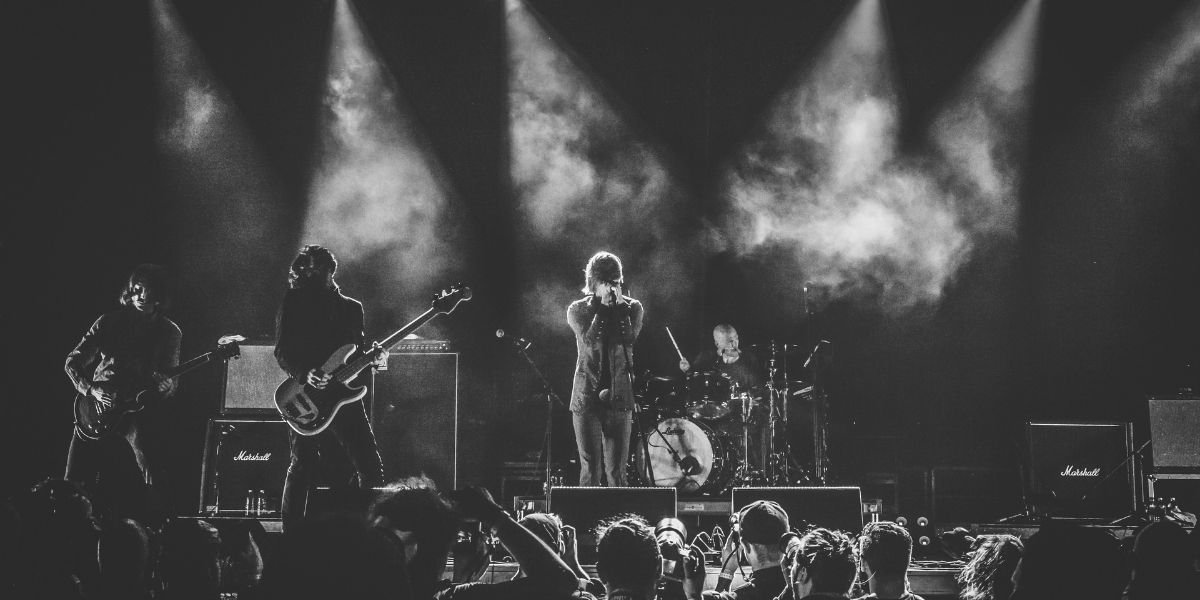
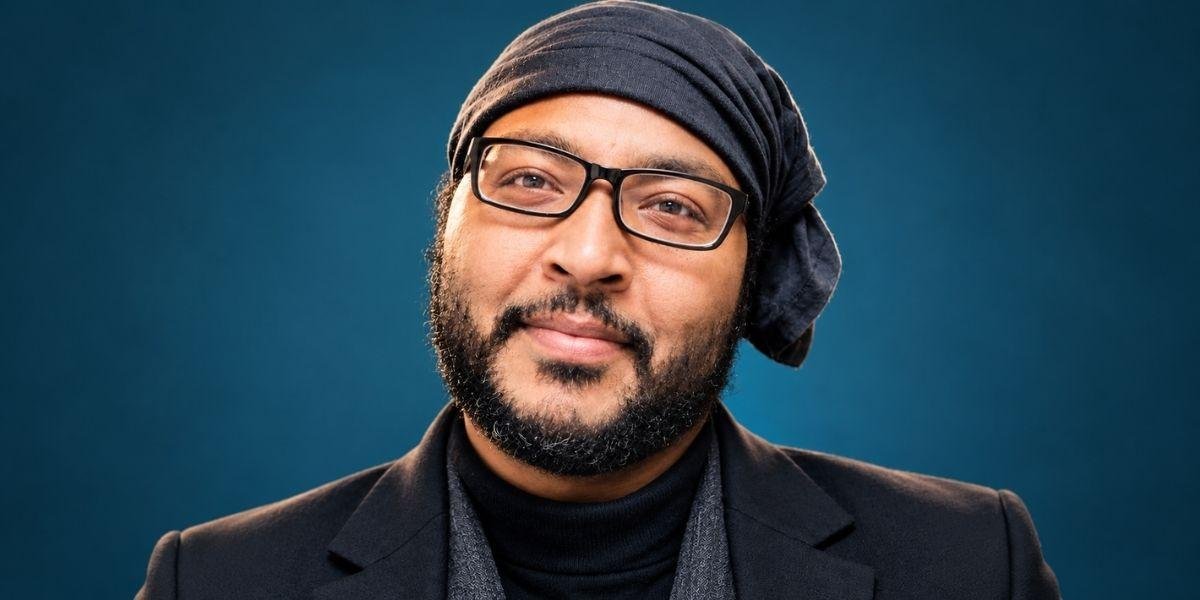
Few people get a closer look at all of this than the photographers documenting it night after night. Glenn Ross, a music photographer in Denver, has been in the photo pit for many of the city’s most memorable shows.
“What people don’t realize is that Denver’s music history runs deep,” Ross says. “You’ve got legends like Judy Collins and Earth, Wind & Fire with roots here, and then a whole new generation with The Lumineers, Gregory Alan Isakov, Nathaniel Rateliff coming up and putting Denver back on the map. I’ve had a front row seat to a lot of that, and it never gets old.”
Why Denver Keeps Producing Talent
Part of it is the venues. Part of it is a deeply supportive local audience that consistently shows up for hometown acts. Part of it is geography. Denver sits at a natural touring crossroads, and the cost of building a creative life here, while rising, has historically been more attainable than on the coasts. And part of it is something harder to put into words: a willingness, in this city, to let artists develop slowly and on their own terms.
Whether you’re catching a sold-out show at Red Rocks, ducking into a Colfax theater to see a band you’ve never heard of, or watching a singer-songwriter at a neighborhood bar, you’re participating in a tradition that runs from Judy Collins and Philip Bailey straight through to whoever is loading their gear into the Bluebird tonight. Denver’s music story is still being written. It just happens to have one of the best soundtracks in the country.