Digital tech has revolutionized the way music producers make it into the electronic music world. Traditionally, expensive equipment has been a barrier to many music producers. However, in the early 2000s, computers and music software were becoming more affordable. This helped young music producers assemble basic home studios with just a personal computer, music software, and basic equipment like MIDI keyboards. This provided opportunities to play around with beat programming, sampling, and synth creation. This has been the case in Europe, where young electronic music artists developed both technical and artistic skills outside the mainstream music world before entering the professional music world.
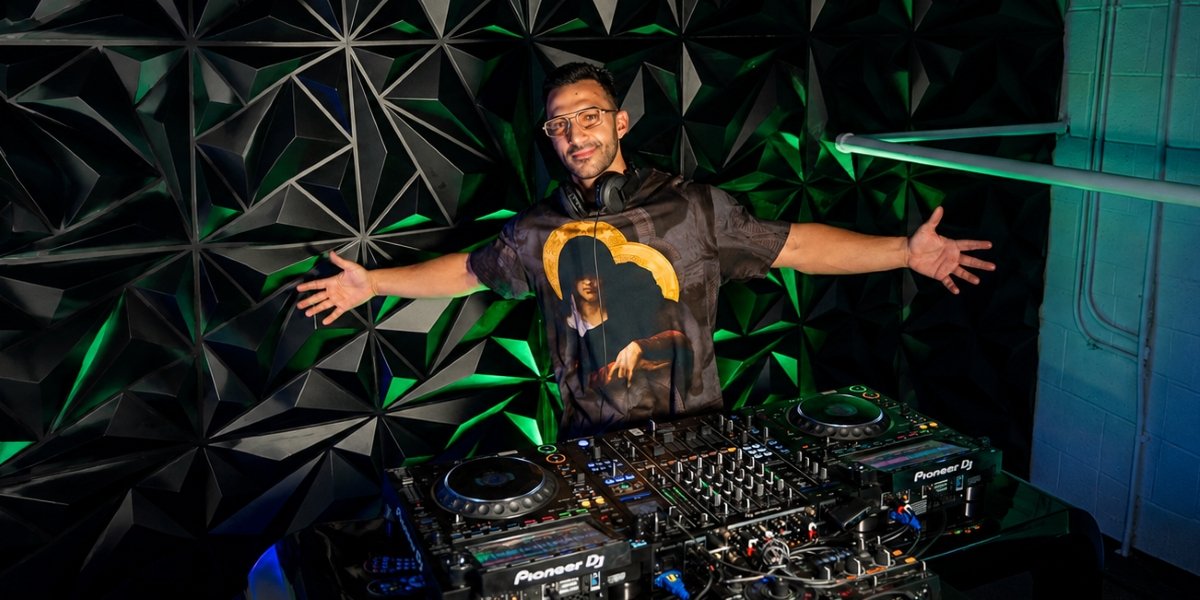
This environment shaped the early development of Andre Ohm, known professionally as Sam Harris. Born in Germany on February 14, 1987, Harris grew up in an era when electronic music production was becoming more accessible for new talent. Growing up as a teenager, Harris started experimenting with his home studio, consisting of a computer and music production software, along with a MIDI keyboard. These are the main tools for many new music producers who are eager to learn the basics of electronic music.
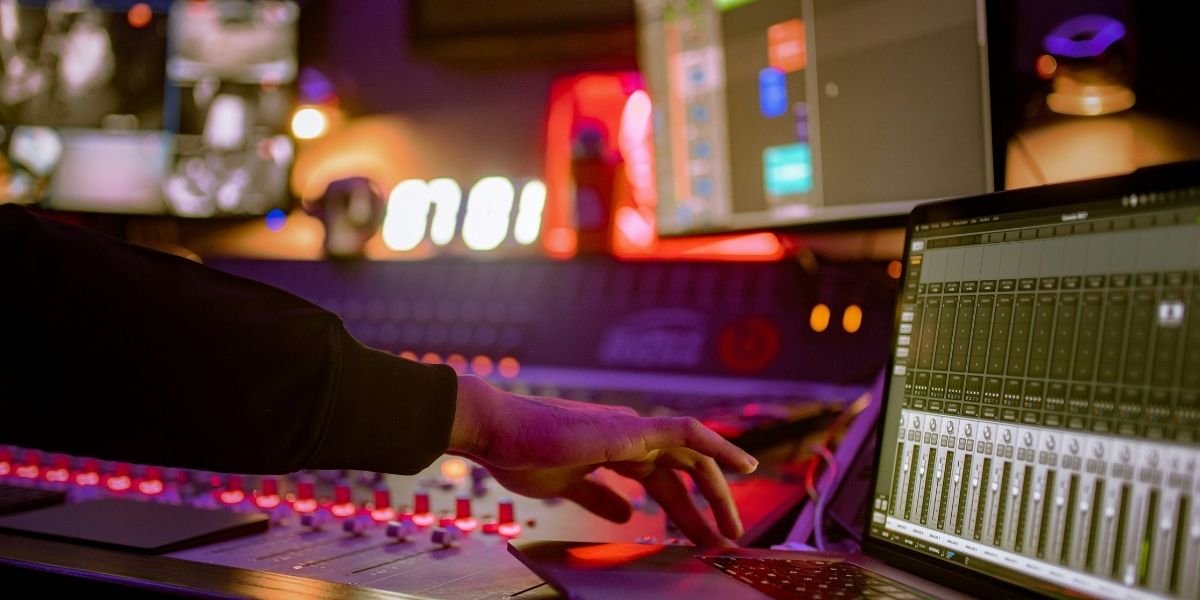
A home studio is very significant in the early days of electronic music. A digital audio workstation is a main tool for music producers that helps them create the rhythm of the music, add melodies, and edit the audio of the music. For Harris, his home studio was where he spent most of his time as a teenager, trying to figure out how the parts of electronic music were made. The grooves of the music, the bass, and the melodies can be mixed and edited in real time using the music production software. Harris’s early experiences reflected a typical learning path in electronic production where technical curiosity gradually leads to more refined musical output.
Harris later pursued formal education in audio engineering, completing a diploma as an audio engineer. Sound engineering programs generally cover subjects such as recording methods, signal flow, mixing techniques, and sound design principles. These areas provide producers with a deeper understanding of how audio behaves in both studio recordings and live sound systems. For electronic producers, technical education can expand production methods beyond intuitive experimentation by introducing established engineering practices used in professional recording environments.
The connection between technical training and creative production is significant in electronic dance music. Producers must manage both artistic elements and technical sound quality. Education in audio engineering often includes work with digital workstations, microphones, studio monitors, and mixing consoles. Harris’s training in these areas provided a structured understanding of how tracks are recorded and balanced during the mixing process. Such knowledge influences how electronic tracks are assembled, particularly when preparing music for club systems where bass frequencies and rhythm clarity are essential.
By the 2010s, Harris began applying these skills to music releases within the electronic dance music scene. This period marked the transition from experimentation toward public distribution of tracks. Many electronic producers start by sharing music online or contributing to compilations that feature multiple artists. Harris’s early professional work included contributions to the Technobase.FM compilation series, a collection of electronic dance tracks distributed through the German dance music community. His tracks “Glashaus,” “Viel Zu Schön,” and “Bodo mit dem Bagger” appeared on Technobase.FM Vol. 40, Vol. 41, and Vol. 44. Compilation releases often introduce emerging producers to listeners who follow specific electronic genres.
Harris has released his music through digital platforms such as Spotify, which allows the global audience to dive into new releases immediately. His catalog has attracted a growing number of streams across digital platforms, with tracks like “Out Of Time” reaching a wide audience on Spotify and other services.
The technical foundation built during Harris’s early years also supported later collaborations with other artists. Electronic music production often involves joint projects where producers exchange ideas, remix tracks, or combine production styles. Harris has collaborated with the producer Carl Clarks on several releases, including “You Came” and “Und Vielleicht, Nur Vielleicht,” the latter also featuring Tom Franke. Harris also produced a remix of Clarks’s track “Young,” released as “Young (Sam Harris Remix).” Remixing requires both technical skill and creative interpretation, since producers must reshape an existing recording while maintaining recognizable elements of the original composition.
In 2026, Harris released the single “Things We Do” through the Dutch electronic music label Future House Music. Future House Music is a record label that promotes electronic dance music through the internet. Artists affiliated with the label most likely employ digital music production techniques that allow them to compose, mix, and master music within a computer music studio. Being an audio engineer himself, Harris’s background keeps the music producer’s process realistic, reminding him of the technical requirements necessary to produce music for release on the internet.
From the early stages of experimentation to the final stages of music production, the entire process takes a long time. For the music producer, the early years of experimenting with software synthesizers and MIDI devices gradually led to a long-term involvement in electronic music. In the mid-2020s, the music producer’s discography indicated a long-term involvement in music production that exceeded fifteen years. This long-term period is typical for electronic music producers, as it takes a long time to master digital music production techniques.
Today’s music producers also have a strong internet presence that is part of the music producer’s overall career. Sam Harris’s official website is accessible through the domain name samharris-music.com. He is also active on popular social media sites such as Spotify, Instagram, Facebook, YouTube, and LinkedIn. The internet presence is two-fold: it enables the music producer to promote their music projects and disseminate vital information to the public. For the electronic music producer, the internet is the studio where they announce their music to the world to listen to.
Media coverage is another way that the work of electronic music producers is documented. In February 2026, the music magazine We Rave You published an article on the electronic music production style of Harris. Such articles typically highlight the background and development of young and upcoming artists in the electronic music community. To producers who work mostly in the virtual world, such coverage represents the evolution of the electronic music community.
The development of Sam Harris represents the general trend in the electronic music community today. The trend involves producers who begin their work in small home studios and eventually expand their technical and creative scope. The development of Harris from his teenage years using software and MIDI equipment to his training in sound engineering represents the trend in the electronic music community today.