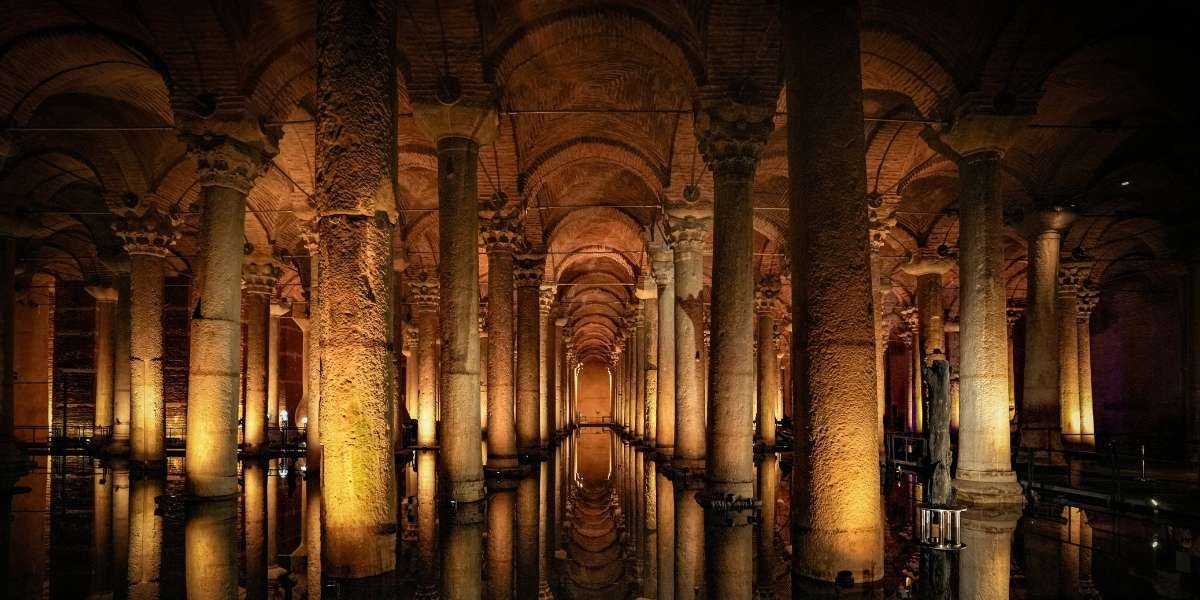

The Victoria and Albert Museum (V&A) in London is preparing to open Constantinople to Istanbul: One City, Two Empires, a major exhibition exploring 1,600 years of Byzantine and Ottoman art. Opening November 7, 2026, the presentation brings together more than 200 historical objects, including religious artifacts, textiles, decorative arts and architectural works, to examine the artistic traditions that shaped one of the world’s most influential cities.
Key Takeaways
- The Victoria and Albert Museum will open Constantinople to Istanbul: One City, Two Empires on November 7, 2026
- The exhibition covers approximately 1,600 years of artistic heritage, spanning AD 330 to 1922
- More than 200 objects represent Byzantine and Ottoman traditions, including religious art, textiles, jewelry and decorative works
- Four thematic sections explore the city’s Roman beginnings, religious art, imperial culture and everyday life
- The exhibition examines connections between Byzantine architecture and Ottoman design, including the historical significance of Hagia Sophia
V&A Introduces Exhibition on Constantinople and Istanbul
The Victoria and Albert Museum is bringing together works associated with Byzantine and Ottoman artistic traditions in an exhibition tracing the cultural history of Constantinople and Istanbul. Titled Constantinople to Istanbul: One City, Two Empires, the presentation examines how art, design and architecture developed across successive imperial periods.
The exhibition begins in AD 330, when Constantine the Great established Constantinople as the Roman Empire’s new capital, and continues through the Byzantine and Ottoman periods until 1922. This historical scope allows visitors to explore how changing political, religious and cultural influences shaped artistic production within the same city.
The museum has organized the exhibition into four thematic sections: Roman Beginnings, Heaven and Earth, Power and Reach, and Life in the City. Together, they examine the relationship between imperial authority, religion, craftsmanship and everyday artistic expression.
The presentation reflects the museum’s broader approach to interpreting cultural history through physical objects. Its David Bowie archive tour, for example, uses costumes, handwritten materials and photographs to explore an artist’s creative legacy. The Constantinople exhibition applies an object-centered approach to a much longer historical period, connecting material culture with the development of two empires.
Rather than treating Byzantine and Ottoman art as entirely separate traditions, the exhibition places their works within a shared historical and geographical context. This approach allows visitors to examine both the differences between the two periods and the artistic connections that continued across centuries.
Byzantine and Ottoman Objects Document 1,600 Years of Artistic Heritage
The Byzantine and Ottoman art exhibition covers a period stretching from the foundation of Constantinople in AD 330 to the end of the Ottoman Empire in 1922. Its historical framework encompasses the Byzantine Empire, which lasted until 1453, and the Ottoman period that followed.
Byzantine artistic traditions form the earlier foundation of the exhibition. Religious imagery, manuscripts, decorative objects and architectural elements demonstrate how visual culture developed alongside Christianity and imperial authority.
The Heaven and Earth section examines the relationship between Byzantine religious art and political power. Sacred imagery was used in religious settings and also contributed to the visual representation of imperial authority.
The Ottoman period introduces different artistic forms and approaches to craftsmanship. Textiles, decorative metalwork, jewelry and objects associated with ceremonial life demonstrate how artistic production reflected the priorities of the Ottoman court and wider society.
By presenting works from both periods, the exhibition places artistic production within a continuous historical setting. Visitors can examine how materials, decorative techniques and architectural ideas developed as Constantinople became the center of Ottoman imperial rule.
The collection also extends beyond objects associated with rulers and religious institutions. Everyday items provide insight into the city’s social and commercial life, showing how artistic design appeared in domestic settings, public spaces and personal belongings.
Religious Art, Textiles and Decorative Works Feature in the Collection
Religious artifacts, textiles and decorative objects form a substantial part of the exhibition. These materials demonstrate the range of artistic techniques associated with Byzantine and Ottoman culture while providing evidence of changing tastes and traditions.
Among the Byzantine highlights is the Veroli Casket, a tenth-century ivory object decorated with mythological scenes. Other works include religious manuscripts, precious metal objects and artifacts connected to the visual traditions of Byzantine Christianity.
Ottoman textiles provide another important area of focus. Historical fabrics, ceremonial garments and richly decorated materials demonstrate the importance of textile production within Ottoman artistic culture. Their patterns and craftsmanship reveal the relationship between decorative design, social status and cultural identity.
The exhibition also includes jewelry, metalwork, ceramics and other objects that illustrate the use of materials in artistic production. These categories connect the museum’s historical presentation with broader practices of collecting and preserving material culture. Similar attention to craftsmanship appears in contemporary art museum acquisitions that combine materials such as bronze, wool, stone and canvas.
Architectural furnishings and decorative elements add another dimension to the collection. They demonstrate how artistic techniques extended beyond individual objects into the interiors and structures associated with religious, civic and imperial life.
Taken together, these works offer a view of Byzantine and Ottoman artistic heritage that extends beyond monumental architecture. Visitors can examine how craftsmanship influenced religious practices, ceremonial traditions, clothing and daily life across different historical periods.
Byzantine Architectural Traditions Connect With Ottoman Design
Architecture provides one of the clearest examples of the relationship between Byzantine and Ottoman artistic traditions. The exhibition examines how buildings and design approaches associated with Constantinople’s Byzantine period influenced later developments under Ottoman rule.
Hagia Sophia is a central reference point in this architectural history. Originally constructed as a Byzantine church in the sixth century, the building became a mosque following the Ottoman conquest of Constantinople in 1453.
Its transformation reflects the changing religious and political identity of the city while demonstrating the continued importance of Byzantine architectural forms.
The exhibition also places architecture alongside religious artifacts, textiles and decorative works. This approach connects individual objects with the larger spaces in which artistic production developed.
Historical images and architectural materials help establish the relationship between artistic design and the built environment. They also provide context for understanding how Constantinople’s architectural heritage remained significant during the Ottoman period.
The connection between these traditions is important to the exhibition’s wider examination of cultural exchange. Rather than presenting architecture exclusively through separate imperial styles, the collection considers how earlier buildings and artistic practices influenced the city’s later visual identity.
London Exhibition Opens at the Victoria and Albert Museum
Constantinople to Istanbul: One City, Two Empires is scheduled to open on November 7, 2026, at the Victoria and Albert Museum in South Kensington, London. The exhibition will be presented in Galleries 38 and 39, bringing together more than 200 works associated with the city’s Byzantine and Ottoman artistic history.
Visitors will encounter religious manuscripts, textiles, decorative objects, paintings and architectural materials spanning AD 330 to 1922. The collection also includes works that demonstrate the relationship between imperial authority and artistic production.
The exhibition’s four thematic sections provide a chronological and cultural framework for understanding the city’s artistic development. From its Roman foundation to its later Ottoman identity, the presentation examines how creative traditions changed while maintaining connections to earlier periods.
By bringing these objects together, the museum offers an opportunity to study 1,600 years of art and design through works associated with two successive empires. The exhibition places Constantinople and Istanbul’s artistic heritage within a broader history of cultural exchange, craftsmanship and architectural development.
Frequently Asked Questions
When does the V&A Constantinople to Istanbul exhibition open?
The exhibition is scheduled to open on November 7, 2026, at the Victoria and Albert Museum in South Kensington, London.
What is the V&A’s Byzantine and Ottoman art exhibition about?
Constantinople to Istanbul: One City, Two Empires explores approximately 1,600 years of artistic heritage, examining the relationship between Byzantine and Ottoman art, design, architecture and cultural traditions.
What historical periods does the exhibition cover?
The exhibition covers AD 330 to 1922, including the Byzantine period from 330 to 1453 and the Ottoman era from 1453 to 1922.
What objects are included in the exhibition?
The collection features more than 200 objects, including Byzantine religious artifacts, manuscripts, Ottoman textiles, jewelry, decorative arts, paintings and architectural furnishings.
How does the exhibition connect Byzantine and Ottoman art?
The exhibition examines connections between the two artistic traditions through historical objects, religious imagery, craftsmanship and architecture. Hagia Sophia provides a prominent example of how Byzantine architectural heritage became part of the city’s Ottoman cultural landscape.
Where is the Constantinople to Istanbul exhibition being held?
The exhibition will take place in Galleries 38 and 39 at the Victoria and Albert Museum in South Kensington, London, United Kingdom.