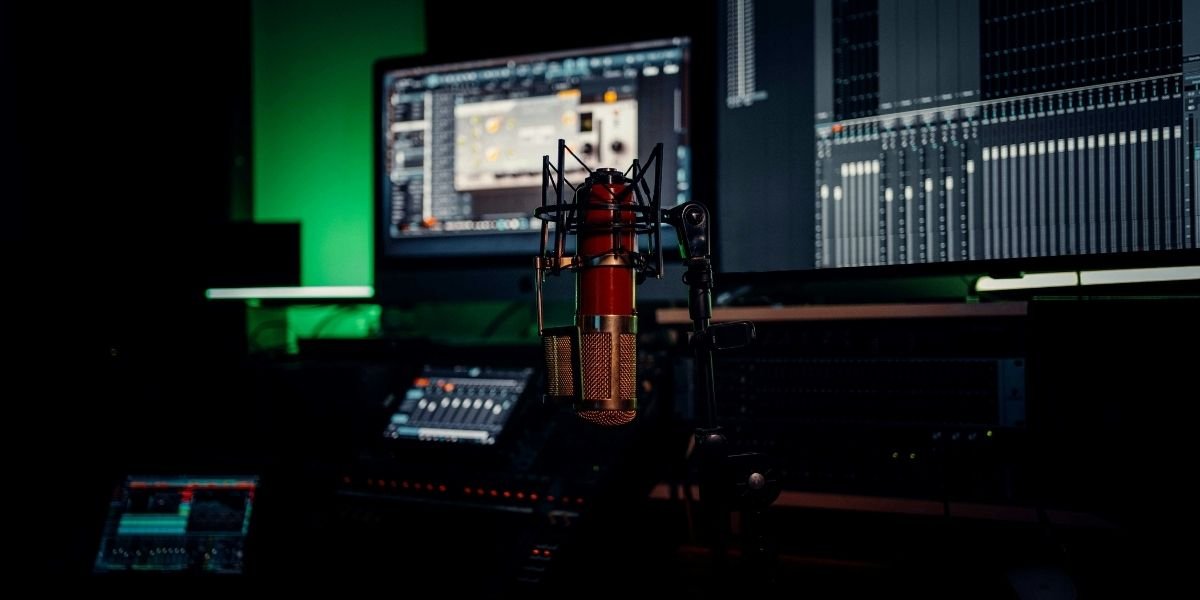
Why Is a Concert Sound Check So Important?
Before any artist steps on stage, there’s an essential process that happens behind the scenes—the concert sound check. For most people, the word “sound check” might bring to mind a few quick adjustments made to a microphone or guitar before a show begins. But in reality, a sound check is a detailed and critical part of preparing for a live performance.
A sound check ensures that every element of the concert, from instruments to vocals to the sound system itself, works harmoniously. Without it, even the most talented performers would be at the mercy of unpredictable acoustics and technical mishaps. This process is where the magic of a flawless performance begins.
Read Also: Talent or Hard Work: What Drives True Achievement?
What Happens During a Concert Sound Check?
At its core, a concert sound check is about balancing and adjusting audio levels. Engineers test microphones, instruments, and other equipment to ensure the sound is clear, even, and appropriate for the venue. The goal is to avoid any distortions, feedback, or volume imbalances that could disrupt the concert.
Each instrument and vocal track is played or sung individually to gauge the acoustics. The sound team adjusts the equalizer, monitors, and speakers to ensure that the sound is as crisp and vibrant as possible. It’s a dynamic process, requiring precise fine-tuning for everything from bass guitar to background vocals.
How Long Does a Concert Sound Check Take?
The duration of a concert sound check varies depending on several factors. Smaller venues may only require 30 minutes to an hour, while larger productions with complex setups can take several hours. For big concerts with large bands and elaborate stage setups, sound checks can stretch into a full rehearsal.
The time spent on sound checks is essential. Rushing through the process can lead to issues during the performance, while a thorough check ensures that everything works as intended. It’s not just about the sound—it’s about making sure that lighting, visuals, and equipment all work together seamlessly.
Who Is Involved in a Concert Sound Check?
While the artist plays a crucial role during sound checks, the process involves a team of professionals working together. This includes:
-
Sound Engineers: These technicians handle the technical side of sound, adjusting levels and ensuring the system works perfectly.
-
Stagehands: They set up equipment and manage the logistics of the setup, making sure everything is in the right place.
-
Musicians and Vocalists: The performers themselves work with the sound engineer to ensure their instruments and voices are properly amplified and balanced.
Collaboration is key in this phase, with every member of the team contributing to the success of the concert.
How Does the Venue Affect the Concert Sound Check?
Every concert venue presents its own challenges. The size, shape, and acoustics of a venue can dramatically affect the sound. A concert sound check in a small club is vastly different from one in a massive arena. In a larger venue, the team might need to adjust the sound to cover more space, ensuring that even those in the farthest seats can enjoy clear audio.
Some venues have specific acoustic challenges—whether it’s due to high ceilings, reflective surfaces, or poor natural acoustics. In such cases, the sound team may need to add additional equipment or make adjustments to compensate for these variables. The goal is always the same: to deliver the best audio experience for the audience, no matter the venue.
What Are the Key Elements Tested During a Concert Sound Check?
Several elements must be tested during a concert sound check, each one contributing to the overall audio experience. These include:
-
Microphones: Ensuring that each microphone is positioned correctly and delivers clear, distortion-free sound.
-
Instruments: Checking all instruments, such as guitars, drums, and keyboards, for proper amplification.
-
Monitors: These allow the performers to hear themselves clearly on stage. Ensuring that monitors are at the right volume is essential for a smooth performance.
-
PA System: The public address system, which broadcasts the sound to the audience, needs to be checked for clarity and power.
-
Reverb and Effects: Many artists use effects like reverb or delay, and these must be set at the appropriate levels to match the style of the concert.
Each element must be adjusted and tested multiple times to ensure a consistent sound throughout the performance.
How Does a Sound Check Impact the Audience Experience?
The concert sound check has a direct influence on the audience’s experience. When everything is in sync, the sound is crisp, clear, and immersive, creating an unforgettable atmosphere. However, even small issues during a sound check—like feedback, distorted vocals, or uneven instrument levels—can negatively affect the concert.
A well-executed sound check allows the audience to focus on the performance itself, without being distracted by technical flaws. It also helps artists feel confident, knowing that the environment they’re performing in is set up for success.
Read Also: The Art of Performers’ Showmanship: Captivating Audiences Beyond Skill
Can the Artist’s Performance Be Affected by the Sound Check?
The sound check is just as much for the performers as it is for the technical team. An artist’s performance can be deeply influenced by how well they can hear themselves and their band. If the sound is off, they might struggle to keep in time with the band or deliver the best performance possible.
For example, if a vocalist can’t hear their own voice clearly, they may unintentionally strain their vocal cords or sing off-pitch. Similarly, musicians might miss key changes or play at the wrong volume if their instruments aren’t properly balanced.
That’s why artists and sound engineers work closely together during the sound check to fine-tune everything and ensure the performance runs smoothly.