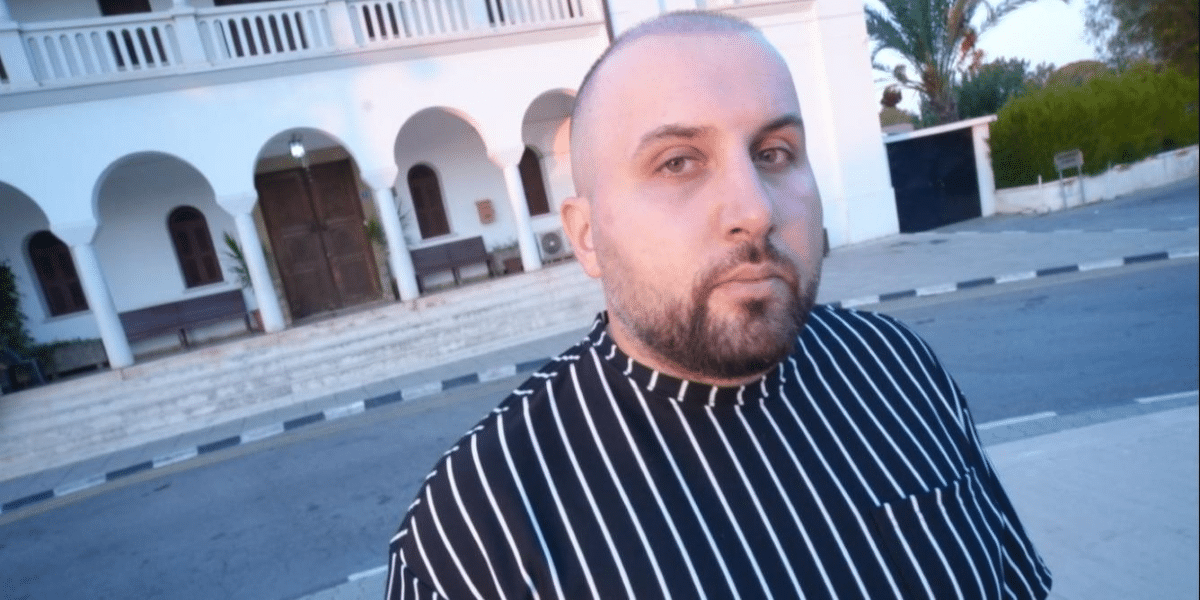

By: Jimmy Atkinsen
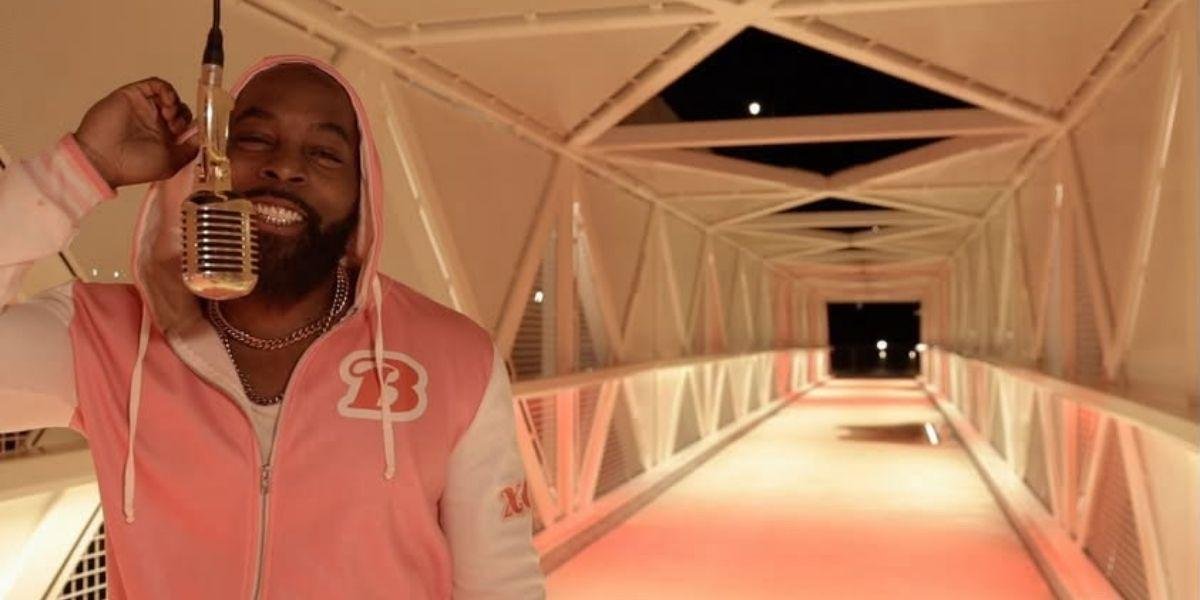
Interviewer: Derin Çağ, known by your stage name En Derin, you’ve had a fascinating journey from Cyprus to London, making a mark in the global Hip Hop scene. Let’s start with the beginning. How did growing up in Northern Cyprus influence your music, and what was the transition to London like?
En Derin: Growing up in Northern Cyprus was unique, especially in a small town like Güzelyurt. The culture, the politics, and the sounds of traditional Turkish music were a big part of my life. Even as a kid, I was listening to a mix of Turkish folk and classical music and Western influences that came through TV or radio. When my family moved to London, there was a massive cultural shift as we moved into council housing in a rough area known as Edmonton. We then moved from one local housing to another for around ten years, so I ended up living in Tottenham, Wood Green, and Haringey, too, among other places. London is a city where many different cultures surround you, and it opened my eyes to new sounds—mainly UK Grime, which I helped build in the local borough at the time with my childhood tag name, “Mr. Zombie.”
Interviewer: You started playing piano at the age of 10 and studied both classical Turkish and Western music. How do these two influences shape your sound today?
En Derin: Learning piano taught me discipline and how to structure a piece of music, which has helped me across all genres. Classical Turkish music has these deep emotional roots and sounds that really connect with me, which comes through in my productions and lyrics. At the same time, Western classical music, such as Beethoven and Mozart, gave me an appreciation for musical complexity. Around that time, I also started listening to liberal artists like Bob Marley and Ahmet Kaya. I tried to fuse both worlds, so even though my music is primarily Grime, which I started at the age of 12, you’ll still hear a lot of classical piano and free-spirited elements in my tracks. For me, it’s about blending the old with the new, the East with the West.
Interviewer: You’ve talked about your journey from Northern Cyprus to London, but what was it like growing up in the gritty estates of North London, and how did it shape your music?
En Derin: Growing up in North London, particularly in places like Edmonton and Tottenham, exposed me to a lot. Crime, such as stabbing, was a daily reality, but so was music. I went to Winchmore Secondary School, where the Boy Better Know crew—JME, Skepta, Shorty, and others—also went. We all lived in the same area, and one time, they even asked my French teacher to let me out of class early so I could produce a beat for them in the music rooms. Between the ages of 12 and 15, I was producing and recording a song nearly every day with artists from around Edmonton and Tottenham. That’s about 1,000 songs in those early years before YouTube alone. Looking back, I realize how much that period helped me contribute to the Grime sound that came out of North London.
Interviewer: You’ve described your style as “Comedy” and “Conscious.” What do these terms mean to you, and how do they differ from other hip-hop subgenres?
En Derin: Conscious Hip Hop is an ethical style that digs a little more into the emotional and reflective side of the genre. A lot of mainstream Hip Hop and Grime is more about the beat, the vibe, or the bravado, but I always want to tell a story, be a voice for the voiceless, or share a message. My lyrics tend to explore deeper topics—like identity, culture, and personal struggles—because I want people to move to the music and think about what’s being said. I try to layer my tracks with the hard-hitting beats of Urban Music and the emotional resonance of something more introspective. In terms of comedy, I want to make people laugh, and if they’re having a challenging time, at least for that moment or that day, they’ll feel happy.
Interviewer: You were the first Turkish Cypriot rapper to be broadcast on Cyprus’ GENÇ TV and FIRST FM. How did it feel to be a trailblazer in that space?
En Derin: It was a proud moment for sure. Being from Northern Cyprus, there was a lot of prejudice at the time; most people had the preconception I was nothing but trouble. As a result, being broadcasted on national TV and radio shattered the glass ceiling on the island. I didn’t set out to be the first Turkish Cypriot rapper to make it in Rap, but it definitely made me realize the responsibility I had to represent my culture and show the world what we’re capable of. It was one of those moments where I felt like all the hard work was paying off, and it motivated me to keep pushing boundaries.
Interviewer: Let’s talk about your 2010 single “Tomorrow.” What inspired that track, and what message did you want to send?
En Derin: “Tomorrow” was a deeply personal track for me. At the time, I was going through many changes—both in my personal life and career—and the song became a way to process all of that uncertainty. The message is about resilience, pushing through today’s struggles, and hoping that tomorrow will be better. I wanted to create something that would resonate with anyone going through a tough time, to remind them that there’s always hope if you keep moving forward. The reception was incredible and made me realize how universal that message is.
Interviewer: You’ve collaborated with some well-known artists and producers, including your work as a sound engineer for Yusuf Güney’s “Olmuyor.” How has working behind the scenes as a producer influenced your approach as a musician?
En Derin: It was Yusuf Güney’s first-ever studio recording. Being a sound engineer gives you a different perspective. You’re not just focused on your performance but on how the entire track comes together—from the mixing of the beats to the vocals on the overall mix. Working on “Olmuyor” taught me the importance of precision and attention to detail, which I apply to my music. When producing, you’re crafting an entire experience for the listener, so you learn to think beyond just the lyrics or melody. It’s about creating something that feels complete from start to finish.
Interviewer: You’re not only a musician but also the founder of Richtopia, a magazine featured by major outlets like BBC and Harvard University. How do you balance your music career with your entrepreneurial ventures?
En Derin: It’s a balancing act, but the two worlds aren’t as separate as they seem. At the core of both music and entrepreneurship is storytelling. Whether I’m writing a song or curating content for Richtopia, it’s about connecting with people and providing value. Richtopia started as a way to share insights on leadership and innovation, but it grew into something bigger, with contributors from all over the world. The key is time management and surrounding yourself with a great team. Plus, music and entrepreneurship feed into my creativity, so they complement each other.
Interviewer: You’ve achieved so much already, but what’s next for En Derin? What can we expect from your upcoming projects?
En Derin: I’m always working on new music, and right now, I’m focusing on numerous projects, both solo and featuring others, that push the boundaries even more and bridge cultures. I’m working on a song with the legendary RBX, who’s an industry veteran, including songs with Dr Dre, Snoop Dogg and Eminem, among others. I also have a song coming out with long-standing Hip Hop pioneer AGR of Harlem 6, who has tracks with DMX and RZA of Wu-Tang Clan. On the other side of the world, I recently published a remix with Taraneh Mokarram in Tehran, she’s among the most sought-after songwriters in Iran. I want to bring more of my cultural heritage into my music in an authentic but fresh way while still staying true to the Hip Hop culture. And, of course, my other ventures continue to grow, so we’ve got some exciting projects in the entrepreneurial space, too. The goal is always to keep evolving as an artist and an entrepreneur.
Interviewer: Finally, what advice would you give to up-and-coming artists who want to break into the music industry?
En Derin: First and foremost, stay true to yourself. The music industry can be challenging, and there’s always pressure to conform to whatever is trending, but authenticity, humility and ethics are what sets you apart. Second, never stop learning—whether it’s about music production, marketing, or even the business side of things. The more you know, the more control you have over your career. And lastly, don’t be afraid to take risks. It’s the only way to grow, both as an artist and as a person.
Interviewer: Thank you, En Derin, for sharing your journey. We’re excited to see where your music takes you next!
En Derin: Thank you! It’s been a pleasure.
Published by: Martin De Juan