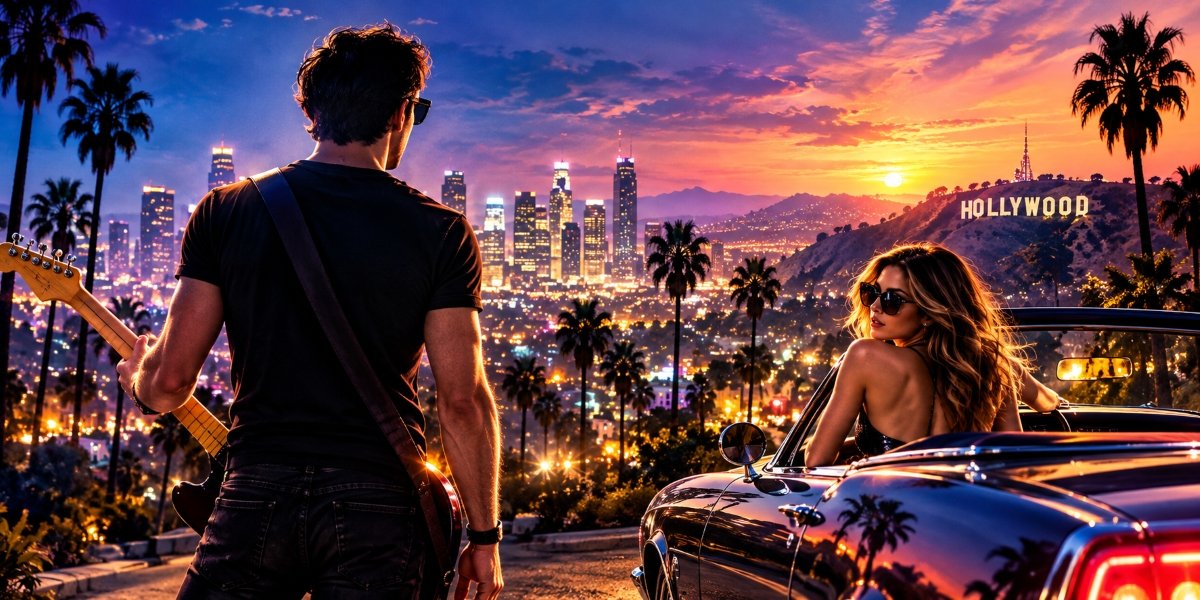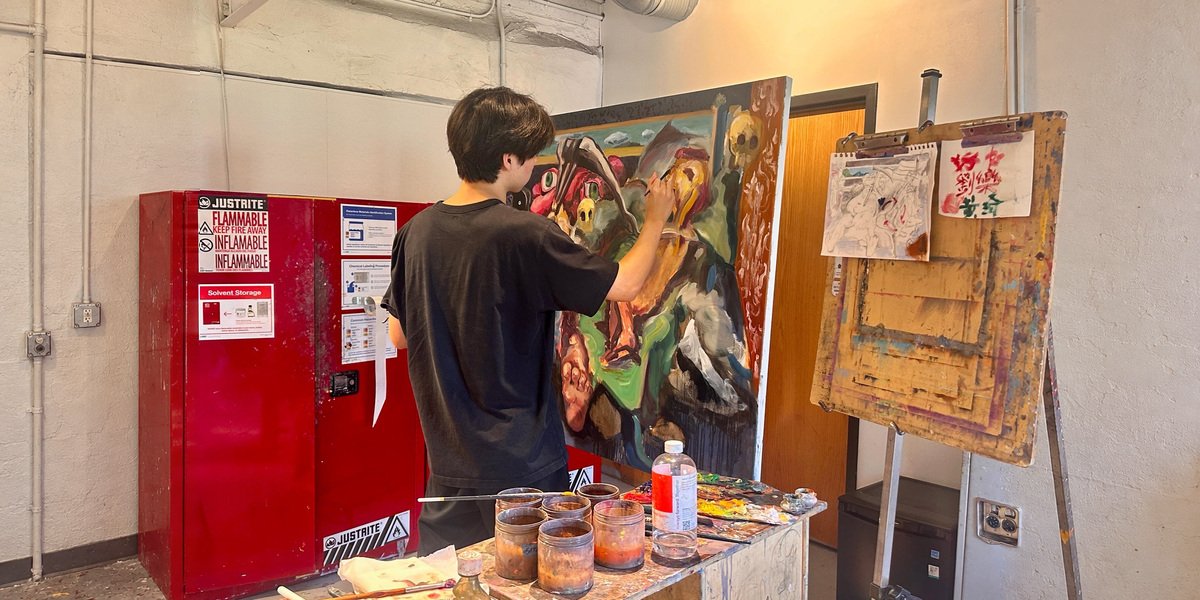
In the world of filmmaking and video production, storytelling goes beyond dialogue and script. Visual storytelling, enhanced by graphic design, adds an immersive layer that draws the audience deeper into the narrative. From title sequences to on-screen graphics, the art of graphic design in film and video is vital in shaping how stories are told visually.
Explore how graphic design contributes to film and video, why it’s essential for creators, and how to harness this powerful tool to tell more compelling stories.
The Power of Visual Storytelling in Film
Graphic design is integral to visual storytelling, a technique that uses imagery, color, typography, and animation to convey emotions, themes, and plot. In film and video, this form of storytelling goes beyond creating beautiful aesthetics. It’s about crafting visuals that communicate essential parts of the narrative, allowing the audience to experience the story in a multi-dimensional way.
Filmmakers have long understood the impact of visual elements on storytelling. For instance, in movies like Blade Runner 2049 and The Social Network, graphic design isn’t just an accessory—it’s a key narrative device. It helps establish tone, setting, and character psychology. When done effectively, these visuals guide the audience’s emotions and expectations, reinforcing the story at a subconscious level.
Key Elements of Graphic Design in Film and Video
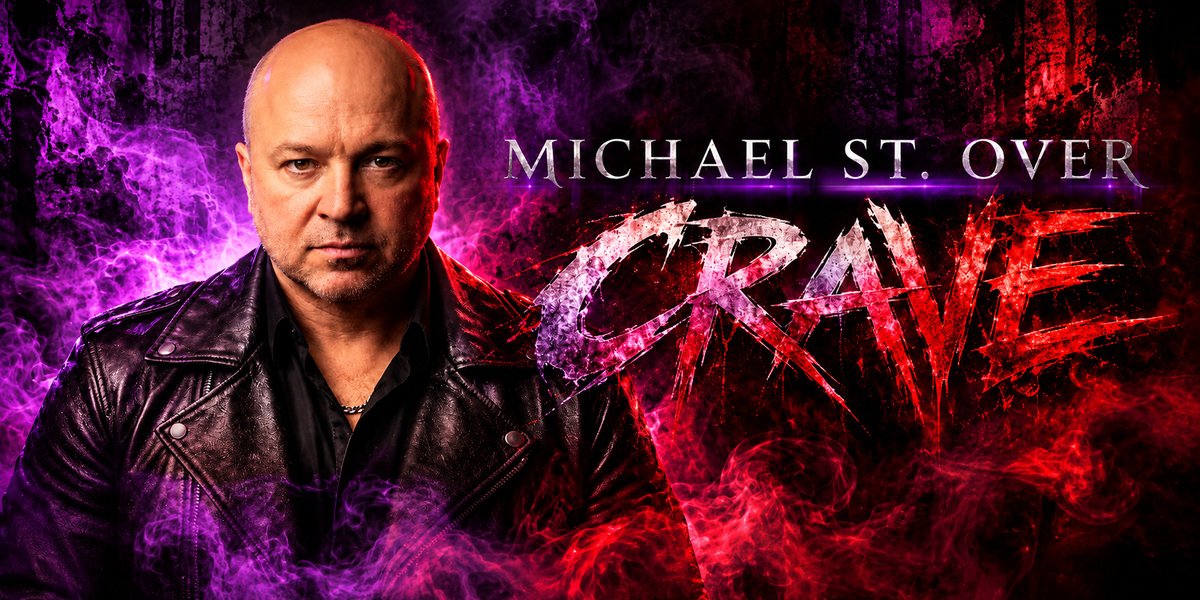
Typography and Title Sequences: One of the most prominent ways graphic design plays a role in storytelling is through typography. Titles, opening sequences, and credits set the tone for the entire film. Bold, intricate fonts can signal a dramatic thriller, while whimsical typography may be more fitting for a comedy or animated feature. The typography itself tells the audience how to approach the film, whether it’s serious, playful, or mysterious.
Color Palette and Mood: Color is one of the most powerful tools in graphic design. It evokes emotions and enhances storytelling. A dark, desaturated color palette in a film like The Matrix instantly creates a sense of danger and intrigue, while vibrant, warm tones in films like La La Land evoke a sense of optimism and passion. Graphic designers work with filmmakers to select colors that reinforce the emotional undertones of the story.
Motion Graphics and Animation: The integration of motion graphics and animation has transformed how filmmakers can engage with their audiences. Whether it’s a 3D title sequence, digital environments, or animated logos, these elements enhance storytelling by allowing scenes to unfold in visually stunning ways. Consider the use of animated graphics in The Great Gatsby (2013), where the motion elements added to the grandeur and opulence of the era, contributing to the film’s extravagant storytelling.
Set and Environment Design: While not always considered “graphic design” in the traditional sense, the creation of immersive environments in films often relies on graphic designers. Through the design of logos, posters, signs, and digital environments, graphic designers help build the visual world that characters inhabit. This is especially prominent in genres like science fiction and fantasy, where futuristic and imaginary worlds require extensive visual design to come to life.
The Role of Graphic Design in Storytelling

Photo Credit: Unsplash.com
In storytelling, design has the unique ability to convey subtext without words. A well-designed graphic can tell a backstory, foreshadow an event, or highlight a theme. For example, in a suspenseful scene, the use of erratic typography or glitchy effects can enhance tension. In contrast, soft, flowing animation in a romantic scene may evoke a sense of serenity and intimacy. The role of graphic design is to create visual harmony with the narrative, ensuring every frame serves the story.
Character Identity and Branding: Graphic design extends beyond just the look of a film—it often contributes to how audiences perceive characters and brands within the story. Think of the iconic logos like the bat symbol in Batman or the stark red-and-white theme of Schindler’s List. These designs transcend the story and become cultural symbols. The same goes for branding within the film’s world—logos and advertising in the background can tell you something about the setting, the future, or even the political landscape.
Establishing Themes and Motifs: One of the more subtle uses of graphic design in film is the inclusion of thematic motifs. Directors often use recurring visual elements, like specific patterns or shapes, to underscore the emotional currents of the story. The use of repeating design elements can highlight a theme—such as the inescapability of fate in The Truman Show, where the circular patterns and confined spaces symbolize the character’s constrained reality.
Graphic Design for Filmmakers: How to Integrate Design into Your Visual Storytelling
For filmmakers and video creators, incorporating graphic design elements into a project requires careful planning and collaboration with graphic designers, motion artists, and editors. Here are a few tips for filmmakers looking to leverage graphic design in their own work:
Start with the Story: The most important step is understanding how the visuals can enhance the narrative. What emotions do you want the audience to feel in each scene? What symbolism can be reinforced through design? Work closely with designers to ensure that every visual element is in sync with the story’s themes.
Use Design to Amplify Emotion: Graphic design can amplify the emotional impact of a scene. Whether it’s through subtle details in the background or bold animated sequences, ensure your design choices align with the emotional journey of your characters. Ask yourself how each design element can increase the stakes or deepen the viewer’s connection to the story.
Experiment with Motion Graphics: One of the most exciting areas of design in film is motion graphics. Try integrating these elements during key moments, such as transitions between scenes or during action sequences. Experimenting with motion can take your film from conventional to extraordinary, making your storytelling feel dynamic and visually exciting.
Collaborate with Designers Early in the Process: To achieve seamless integration of graphic design, it’s important to bring your design team into the process early on. Whether it’s brainstorming title sequences or creating custom fonts for your characters, starting the collaboration early ensures the visual design complements the pacing and mood of the film.
Graphic design in film and video isn’t just about creating cool visuals—it’s about shaping the narrative. By using design to enhance storytelling, filmmakers can craft richer, more immersive worlds that resonate with audiences long after the credits roll. Whether it’s through a haunting title sequence, a carefully chosen color palette, or bold motion graphics, graphic design is an essential tool for any filmmaker looking to tell a compelling story.