
Creativity Doesn’t Stop at the Studio Door
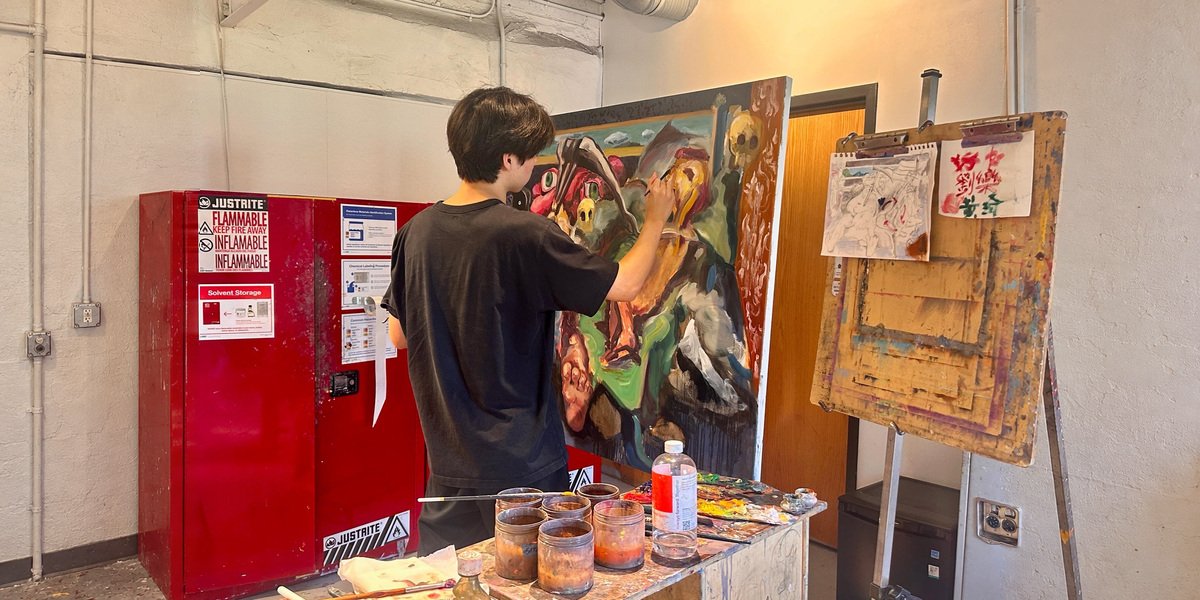
For visual artists, muralists, photographers, and freelance creatives, the workspace isn’t always a studio. It’s a van loaded with canvases heading to an art fair. It’s a truck hauling installation pieces between galleries. It’s a car full of camera gear driving to a festival site at dawn or heading home well after dark.
Georgia’s creative economy is booming, and much of it runs on wheels. Artists travel between cities for exhibitions, commissions, pop-up markets, and collaborative projects. The roads that connect those opportunities, particularly in Central Georgia, carry risks that the creative community rarely discusses.
Central Georgia’s Highway Reality
Macon, Georgia has long been a cultural hub. Its history in music, visual arts, and community-driven creative projects continues to draw artists from across the Southeast. The city is also becoming a more prominent stop on the regional art fair and gallery circuit, bringing more creatives through the area each year.
But Macon sits at the convergence of I-75 and I-16, two of Georgia’s busiest and most dangerous highway corridors. I-75 funnels commercial truck traffic between Atlanta and Florida. I-16 connects Macon to the Port of Savannah, carrying a constant stream of heavily loaded tractor-trailers alongside passenger vehicles.
Bibb County recorded over 6,000 crashes in 2024. The county ranked among Georgia’s highest for motor vehicle collisions, and Macon placed fourth nationally for fatal crash rates per capita. Those aren’t abstract numbers for anyone regularly driving through the area with a vehicle full of irreplaceable work.
Truck Traffic and the Risks It Creates for Everyone
One of the most underappreciated dangers on Central Georgia’s highways is the sheer volume of commercial truck traffic. Artists hauling equipment in passenger vehicles or small vans are sharing lanes with 80,000-pound tractor-trailers, vehicles that need nearly twice the stopping distance of a car and create devastating impact forces in a collision.
Truck crashes involve layers of complexity that standard car accidents don’t. Federal regulations, multiple potentially liable parties, and corporate defense teams all come into play. For anyone involved in a collision with a commercial vehicle in the Macon area, understanding the role of a Macon truck accident lawyer who handles these specialized cases is essential knowledge, especially when the crash happens far from home and the other side already has a legal team mobilizing.
Not All Crashes Look the Same
The type of accident matters as much as the fact that it happened. A rear-end collision in an I-16 construction zone produces different injuries, different evidence requirements, and different liability questions than a T-bone crash at a downtown Macon intersection or a sideswipe on the I-75/I-475 split.
For creatives who spend significant time on the road, understanding the range of crash scenarios, and how each one affects an injury claim, provides a practical foundation for knowing what to do if something goes wrong. A detailed look at the common types of crashes a car accident lawyer in Macon handles breaks down how different wreck types are investigated and litigated, from hit-and-run incidents to multi-vehicle pileups.
The Freelance Factor
Full-time employees injured in a crash often have employer-provided health insurance, disability coverage, and paid leave to fall back on. Freelance artists and independent creatives typically have none of that.
A serious car accident doesn’t just mean physical injury for a working artist. It can mean lost commissions, missed exhibition deadlines, damaged inventory with no replacement coverage, and months without income. The financial impact compounds quickly when there’s no safety net.
This is why the quality of legal representation after an accident matters so much for independent professionals. An attorney who understands how to calculate damages beyond just medical bills, including lost income, future earning capacity, and the value of destroyed creative work, can make a substantial difference in the outcome of a claim. Knowing what sets an experienced personal injury lawyer in Macon GA apart from an average one is practical information for anyone whose livelihood depends on staying healthy and mobile.
Art Fairs, Festivals, and Event-Related Risk
Georgia’s event calendar is packed year-round with art festivals, gallery openings, and outdoor markets that draw creatives and attendees from across the state. Macon’s own events, from the Cherry Blossom Festival to First Friday gallery walks, bring concentrated traffic into areas that aren’t always equipped to handle the surge.
Event-related driving risks include congested parking areas with poor visibility, pedestrian-heavy zones near venues, late-night departures on unfamiliar roads, and rideshare vehicles making sudden stops for pickups and drop-offs. These conditions create a heightened crash environment that persists before, during, and after major events.
What the Creative Community Can Do
Road safety rarely shows up on an artist’s pre-trip checklist, but a few simple steps can reduce risk significantly.
Protect your cargo. Unsecured artwork, equipment, and supplies become projectiles in a crash. Use proper tie-downs, padding, and load distribution, especially in vans and trucks that handle differently when loaded.
Avoid peak fatigue hours. If you’re driving to or from an event, plan departure times that keep you off the road during the highest-risk hours between midnight and 6 a.m. A few hours of rest can prevent a life-changing mistake.
Carry appropriate insurance. Standard auto policies may not cover specialized equipment or inventory in transit. Review your coverage and consider inland marine or commercial auto policies if you regularly haul valuable work.
Know your rights before you need them. Understanding what to do after a crash, documenting the scene, avoiding recorded statements with insurance adjusters, seeking medical attention immediately, puts you in a stronger position if the worst happens.
A Growing Scene Deserves Growing Awareness
Georgia’s creative economy is expanding. More artists are traveling more miles to more events across the state. That growth is a good thing. It means opportunity, exposure, and community.
But it also means more time on roads that are already under pressure from commercial traffic, construction, and infrastructure that hasn’t kept pace with demand. For the artists and creatives who shape Georgia’s cultural identity, acknowledging road risk as part of the professional equation, and preparing for it, is simply smart practice.
Disclaimer: The content in this article is provided for general knowledge. It does not constitute legal advice, and readers should seek advice from qualified legal professionals regarding particular cases or situations.