
Across the world, individuals with substantial resources are choosing to direct their wealth towards addressing some of humanity’s most pressing challenges. This practice, known as philanthropy, extends beyond simple charity; it involves strategic, long-term investments in initiatives designed to create lasting, positive change. These global philanthropists are not just donating money; they are actively engaging with complex issues, fostering innovation, and building partnerships that aim to reshape the future for the better. Their commitment to improving society highlights a profound belief in the potential for collective action to solve even the most daunting problems. This dedication to systemic improvement demonstrates a vision that transcends immediate needs, aiming for sustainable solutions that uplift entire communities and foster a more equitable world.
Read Also: Artists Exercising Philanthropic Efforts After Hurricane Helene
How Do Philanthropists Tackle Global Health Challenges?

Photo Credit: Unsplash.com
Global health remains a significant focus for many philanthropists, who recognize that health disparities hinder human potential and economic development. Organizations founded through philanthropic efforts often channel vast resources into research, prevention programs, and infrastructure development in underserved regions. For instance, substantial funding has gone towards combating infectious diseases, supporting vaccination campaigns, and improving access to essential medicines. This kind of dedicated support can accelerate scientific breakthroughs, allowing new treatments and vaccines to reach those who need them most, often years faster than might otherwise be possible. The strategic allocation of funds can directly impact the development and deployment of life-saving interventions, shortening the time it takes for new medical advancements to translate into tangible health improvements on the ground.
Consider the efforts to eradicate diseases that have long plagued populations in developing countries. Philanthropic foundations provide the financial backbone for large-scale initiatives, enabling organizations to implement widespread public health campaigns, train local healthcare workers, and strengthen health systems. These investments extend to maternal and child health, nutrition programs, and efforts to ensure clean water and sanitation, all fundamental to preventing illness and promoting well-being. A philanthropic approach might involve not just funding clinics, but also investing in local community health education, ensuring that individuals have the knowledge and resources to make informed decisions about their health. By focusing on the root causes of poor health and supporting comprehensive solutions, global philanthropists contribute to building healthier, more resilient communities globally, fostering an environment where individuals can thrive without the constant burden of preventable illness. Their work often involves collaborating with local governments and international bodies to ensure sustainable health outcomes.
What Role Does Philanthropy Play in Advancing Education Worldwide?
Education is another critical area where global philanthropists are driving significant change. Access to quality education is often seen as a pathway out of poverty and a cornerstone of societal progress. Philanthropic endeavors in this field range from establishing schools and libraries to funding scholarships, developing innovative curricula, and supporting teacher training programs, especially in areas with limited resources. The aim is to dismantle barriers to learning and ensure that children and adults alike have the opportunity to acquire knowledge and skills. These investments acknowledge that education is a long-term strategy for development, providing individuals with the tools they need to secure better livelihoods and contribute meaningfully to their societies.
Many philanthropic initiatives concentrate on improving educational outcomes in communities where traditional systems may be struggling. This includes supporting early childhood education, promoting literacy, and introducing technology to classrooms that previously lacked such tools. For example, a philanthropic effort might fund the deployment of digital learning platforms in remote villages, bridging geographical gaps in access to information. By investing in educational infrastructure and human capital, philanthropists help create environments where learning can thrive, fostering curiosity and critical thinking from a young age. Their support can also extend to vocational training and higher education, providing pathways for individuals to gain specialized skills and contribute to their local economies. This long-term commitment to education ultimately empowers individuals, strengthens workforces, and contributes to the overall development of nations, creating a ripple effect of progress that benefits future generations.
How Do Philanthropic Efforts Address Environmental Concerns?
The increasing urgency of environmental challenges has also drawn significant attention from global philanthropists. Recognizing the profound impact of climate change, biodiversity loss, and pollution on present and future generations, many are dedicating resources to conservation, renewable energy, and sustainable development. These initiatives aim to protect natural habitats, promote eco-friendly practices, and support scientific research into environmental solutions. The scale of these problems demands considerable investment, and philanthropy often fills gaps where traditional funding sources might fall short, providing crucial early-stage capital for innovative solutions.
Philanthropic organizations engage in a wide array of environmental efforts. This can include supporting projects that restore ecosystems, advocating for policies that promote sustainability, and funding research into clean technologies. For instance, a philanthropic grant might enable the development of more efficient solar panel technology or support reforestation efforts in areas impacted by deforestation. Efforts might also involve empowering local communities to manage their natural resources effectively, ensuring both ecological preservation and economic well-being. This often means investing in sustainable agriculture practices or supporting initiatives that help communities adapt to changing environmental conditions. By championing innovative approaches to environmental protection, philanthropists help to safeguard the planet’s health, mitigate the effects of climate change, and promote a more sustainable relationship between humanity and the natural world. Their contributions are essential in the collective pursuit of a healthier and more balanced global environment, inspiring broader action and demonstrating what is possible when resources are strategically deployed for the common good.
What Other Areas Do Philanthropists Support for Global Betterment?
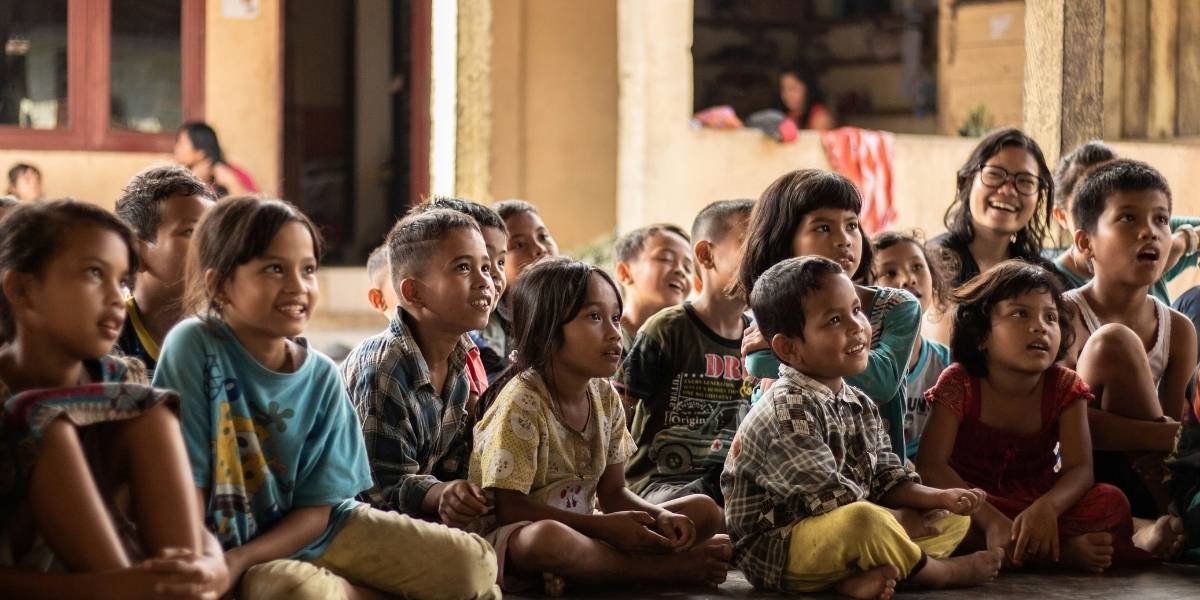
Photo Credit: Unsplash.com
Beyond health, education, and the environment, global philanthropists also extend their reach to a diverse array of other critical areas, all aimed at fostering a better tomorrow. This includes significant investments in poverty alleviation, disaster relief, and human rights. Many focus on empowering marginalized communities, providing access to essential resources, and supporting initiatives that promote social equity. For instance, philanthropic funds might support microfinance programs in developing countries, offering small loans to entrepreneurs who might otherwise lack access to capital, thus stimulating local economies.
Read Also: The Power of Imagination: How Young Artists are Shaping the Future of Art
Another vital area of focus is art and culture. Philanthropists understand the importance of preserving cultural heritage and supporting artistic expression, which enrich human experience and foster understanding across diverse backgrounds. This might involve funding museums, performing arts organizations, or cultural exchange programs that bridge divides. Additionally, some philanthropic endeavors are dedicated to strengthening civil society, supporting organizations that promote civic engagement, good governance, and democratic participation. These efforts reinforce the structures that enable societies to function effectively and address their own challenges. By investing in these varied sectors, global philanthropists demonstrate a holistic approach to societal improvement, recognizing that a truly better world requires progress on multiple fronts, addressing both immediate needs and systemic issues for long-term impact. Their widespread influence underscores the transformative power of dedicated resources applied with vision and purpose.