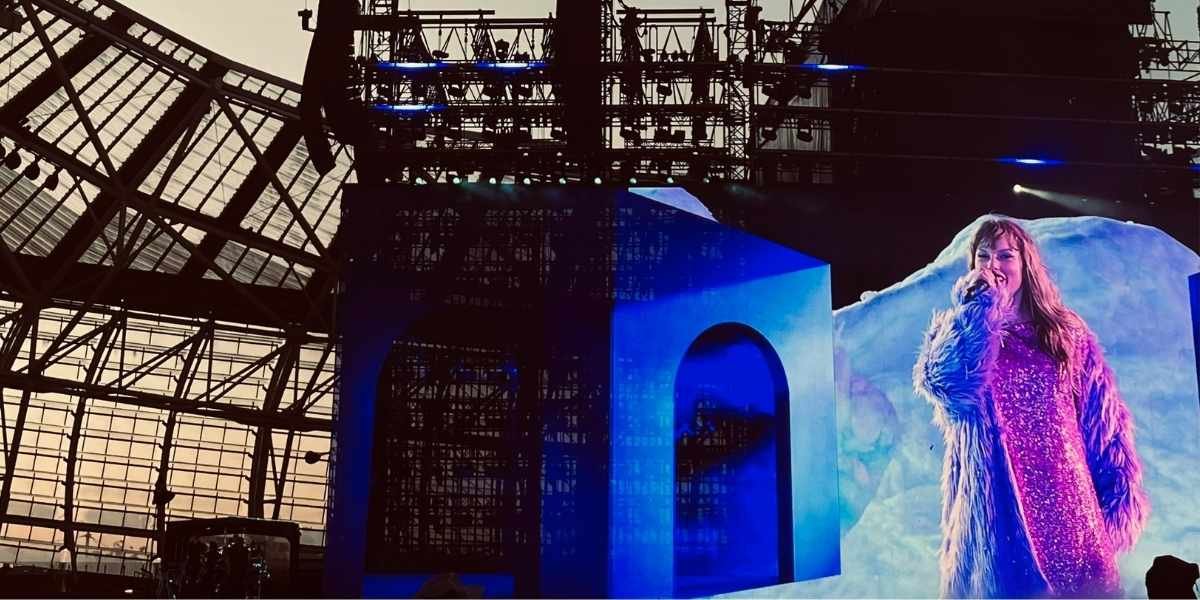

Performing on stage is one of the most exhilarating experiences for artists, but it is also physically demanding. Maintaining high energy throughout a concert is essential to delivering an unforgettable performance. From vocal endurance to mental focus, artists must carefully manage their physical and mental state to ensure they remain vibrant and engaging for the entire show. This article explores the different strategies artists use to maintain their energy during live performances, from physical conditioning and nutrition to mental preparation and performance techniques.
Read also: The Evolution of Mixing Techniques in Music
Physical Preparation: Conditioning for Endurance
One of the most important aspects of maintaining energy during a concert is physical conditioning. Artists who regularly perform on stage are often in top physical shape, as they need stamina to endure long sets and energetic movements. Regular cardiovascular exercise, such as running or cycling, helps improve endurance, ensuring that artists can keep up their performance energy throughout the entire show. Strength training, particularly for the core and legs, enhances stamina and supports the physical demands of dancing, jumping, or moving on stage.
In addition to cardiovascular and strength training, many artists incorporate dance or choreography practices into their fitness routines. Dancing for hours during rehearsals and performances requires not only energy but also agility and flexibility. It helps artists maintain fluidity in their movements, preventing fatigue from setting in too early in the show.
Warm-Up Routines: Pre-Performance Activation
Before stepping on stage, artists have warm-up routines that prepare their bodies and voices for the demands of a live show. This may include stretching exercises to loosen the muscles and joints, ensuring that the body is flexible and less prone to injury. Stretching also helps release tension, which can otherwise lead to fatigue or discomfort during the performance.
For vocal artists, warming up the voice is equally important. Vocal warm-ups help ensure that the vocal cords are ready for hours of singing, preventing strain and improving vocal quality. Breath control exercises are a crucial part of this, as deep breathing helps sustain the energy required for powerful vocal performances. Proper breathing techniques also increase oxygen flow to the body, which helps sustain overall energy levels during the show.
Nutrition and Hydration: Fueling the Body for Performance
What an artist eats and drinks before a concert plays a vital role in maintaining energy levels throughout the performance. A balanced meal before the show, ideally consumed two to three hours prior, should consist of complex carbohydrates for sustained energy, lean protein for muscle recovery, and healthy fats. This combination provides the necessary fuel to keep the artist energized without feeling sluggish.
Hydration is just as critical. Dehydration can lead to fatigue, dizziness, and decreased performance quality. Artists often drink water or electrolyte-rich drinks throughout the day to stay hydrated. During the concert itself, it’s common for artists to keep water on hand to sip between songs and maintain hydration. Some artists even opt for coconut water or sports drinks to replenish electrolytes lost through sweat.
Artists typically avoid heavy, greasy, or overly rich foods before performing, as these can lead to discomfort and sluggishness. Additionally, avoiding excess sugar is key, as sugary snacks can lead to an energy crash during the performance.
Mental Conditioning: Focus and Positive Mindset
Maintaining high energy during a concert isn’t just about physical preparation; mental conditioning plays a significant role. Artists must stay focused, positive, and fully present in the moment during their performance. One of the most effective techniques for maintaining focus is mental rehearsal. Visualizing the performance, including the energy of the crowd and the feeling of success, helps artists stay mentally prepared for the task at hand.
A positive mindset is crucial for sustaining energy. Many artists use motivational strategies like affirmations or visualization to boost their confidence and enthusiasm before taking the stage. The anticipation of connecting with an audience, the excitement of performing, and the joy of creating music or art help fuel the mental energy required to keep performing at a high level.
Managing pre-show anxiety is also important. Performance anxiety is common, and artists use various techniques to calm their nerves. Breathing exercises, meditation, or grounding techniques can help reduce anxiety and allow artists to stay focused on the performance, rather than letting nervousness drain their energy.
Engaging with the Audience: Using Audience Energy to Fuel Performance
One of the most powerful ways artists maintain their energy during concerts is through audience engagement. The energy that artists receive from a lively and enthusiastic crowd can be a huge motivator. Artists often feed off the excitement of the audience, which fuels their performance and helps them push through fatigue. The connection between an artist and the audience creates a feedback loop of energy—audiences feed off the artist’s performance, and the artist feeds off the audience’s response.
Interacting with the crowd, whether through direct eye contact, gestures, or engaging in conversations during the show, can elevate the artist’s energy. The more connected an artist feels to their audience, the more motivated and energized they become.
Performance Strategy: Pacing and Momentum
While it’s essential for artists to bring high energy to every part of their concert, pacing is also a key factor in sustaining that energy. Artists must manage their movements and singing intensity to avoid burning out too early. A well-planned setlist can help with this, as it allows for a balance of high-energy songs and slower, more reflective moments that give both the artist and the audience a brief respite.
During the performance, artists also manage the pacing of the show by creating dynamic peaks and valleys in the energy. High-energy songs are often followed by quieter, slower songs that allow for recovery, either for the artist or the audience. This strategic flow of energy ensures that both the artist and the crowd stay engaged without exhausting themselves.
Post-Performance Recovery: Replenishing After the Show
Once the concert is over, artists must focus on recovery to replenish their energy and prepare for the next performance. Cooling down is essential after an energetic show, as it helps reduce muscle tension and soreness. Artists typically stretch and relax their muscles to aid in the recovery process.
Hydration and nutrition after the show are just as important as pre-concert fueling. Rehydrating with water or electrolyte drinks helps replenish fluids lost during the performance. Additionally, artists may consume protein-rich snacks or meals to help with muscle repair and recovery after an intense performance.
Recovery time is essential, especially during long tours. Many artists schedule downtime between performances to rest and recharge, ensuring that they maintain their energy levels throughout the tour.
Read also: Why Mentorship Matters in the Music Scene
Touring Logistics: Maintaining Energy on the Road
For touring artists, maintaining high energy during concerts is especially challenging due to the logistics of travel and constant performance. Artists often have to deal with tight schedules, irregular sleep patterns, and limited access to ideal nutrition and exercise conditions. To combat these challenges, many artists adhere to strict routines, managing their time carefully to ensure adequate sleep, hydration, and exercise while on the road.
Support teams, including tour managers, personal trainers, and nutritionists, play an essential role in helping artists maintain their energy. These professionals help manage the artist’s schedule, monitor their physical and mental health, and ensure that the artist stays on track to perform at their best.
Maintaining high energy during a concert is no small feat. It requires a combination of physical preparation, mental conditioning, proper nutrition, and performance strategy. Artists who are able to manage these aspects effectively can ensure that they bring their best performance to the stage, night after night. By focusing on endurance training, mental focus, audience interaction, and recovery, artists are able to create unforgettable experiences for their audiences while keeping their energy levels high throughout the entire concert.