
By: Samuel Everett
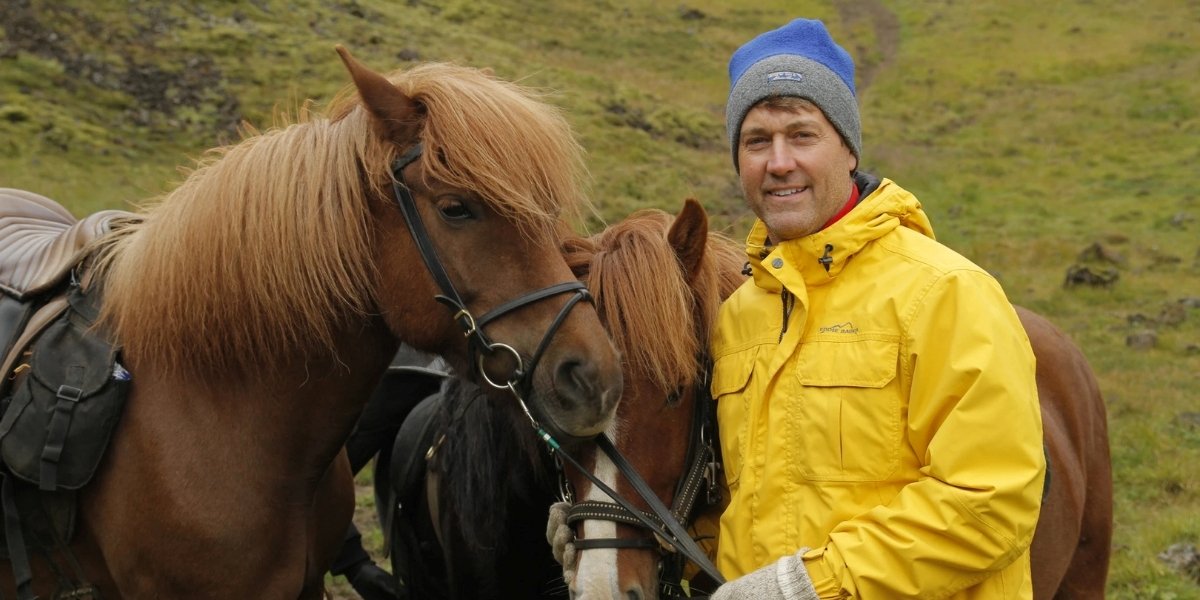
Richard Wiese has spent his life helping to redefine what it means to be an explorer. His name is often associated with adventure, scientific discovery, and the spirit of curiosity that drives humanity to seek a deeper understanding of the world beyond its known boundaries. As an acclaimed television host, writer, and the current president of The Explorers Club, he has played a significant role in shaping the landscape of modern exploration. Whether traversing the icy landscapes of Antarctica, scaling Mount Kilimanjaro, or diving into the depths of the ocean, Wiese has dedicated his career to showcasing the work of others and broadening the definition of who can be considered an explorer.
From an early age, Richard Wiese was immersed in the world of adventure. His father, Richard Wiese Sr., was the first person to fly solo across the Pacific Ocean, setting an extraordinary example of courage and determination. Following in his father’s footsteps, Wiese climbed Mount Kilimanjaro at the age of 11, a moment that helped shape a lifetime of discovery. Rather than limiting his expeditions to personal achievements, he has focused on using exploration as a means to contribute to science, environmental awareness, and cultural understanding.
One of Wiese’s most notable contributions to the world of exploration has been his work with the Explorers Club 50 (EC50), an initiative designed to celebrate and elevate individuals who are making significant contributions to science, conservation, and discovery. The EC50 was created to shine a light on lesser-known explorers who are helping to change the way we see the world. “The world doesn’t just need more explorers; it needs more recognized explorers,” Wiese has said. “The EC50 is about finding the people who are making meaningful impact and ensuring their work gets the attention and support it deserves.”
Throughout his tenure as president of The Explorers Club, Wiese has emphasized inclusivity and diversity in exploration. He believes that the traditional perception of an explorer—often depicted as a solitary adventurer conquering uncharted lands—needs to evolve. “Exploration is not just about planting a flag in the ground; it’s about planting knowledge,” he explains. His leadership has been a key factor in promoting individuals from a variety of backgrounds, from indigenous community leaders preserving centuries-old traditions to deep-sea researchers discovering new marine species.
Beyond the initiatives he has spearheaded, Wiese has also been a voice for the changing nature of exploration in the modern world. Through his Emmy-winning television series Born to Explore, he has brought audiences along on extraordinary journeys, showcasing cultures, scientific breakthroughs, and conservation efforts. His ability to translate complex discoveries into engaging narratives has made him one of the most respected voices in the field. His philosophy is clear: “I want people to see exploration as something bigger than a single moment of adventure. It’s about the ongoing journey of understanding our world, its people, and our place in it. And the more people we bring into that journey, the better.”
Wiese’s dedication to lifting up others has not gone unnoticed. He has been a key figure behind mentorship programs at The Explorers Club, ensuring that the next generation of explorers has the guidance and support they need. “Being named an EC50 honoree truly turned my world upside down in the best way,” said Dr. Britney Schmidt, a polar explorer and EC50 honoree. “Before that, I was more of a silent member of The Explorers Club, but this recognition connected me with an incredible community of like-minded explorers who see the world in unique ways.”
His impact also extends to the ongoing conversation about what it means to be an explorer in the 21st century. There has long been debate over who gets to claim the title of “explorer,” and Wiese has actively worked to broaden the term to include those making contributions in science, technology, conservation, and indigenous knowledge. “By celebrating explorers from all walks of life, the EC50 aims to challenge outdated notions of who belongs in the field of exploration and helps to redefine what it means to be an explorer in the modern age,” says Will Roseman, executive director of The Explorers Club.
Despite his many achievements, Wiese remains deeply committed to the idea that exploration is a collective effort. He often speaks about the importance of teamwork and collaboration in discovery. “No one explores alone. Great discoveries often happen when we work together, share ideas, and learn from one another,” he says. His leadership has helped to foster an environment where knowledge and curiosity thrive.
Richard Wiese’s influence on the world of exploration is likely to be felt for generations. His steadfast dedication to inclusivity, science, and storytelling has contributed to redefining the field in a way that makes exploration more accessible and meaningful than ever before. Through his work with The Explorers Club and the EC50, he has helped open doors for countless individuals who are changing the way we understand our world. As he continues to push the boundaries of what is possible, one thing is evident—Richard Wiese is not just an explorer; he is a visionary helping to pave the way for the next era of discovery.
Published by Drake M.