Surrealism in Music Videos Is No Longer a Niche
Surrealism is transforming the music video landscape, and it’s happening faster than most critics expected. What used to be a fringe aesthetic—reserved for art school projects and underground cinema—is now shaping the visual identity of mainstream pop, indie releases, and experimental hip-hop. Artists like Billie Eilish, FKA twigs, and Tyler, the Creator are leaning into surrealist techniques to build immersive, symbolic worlds that challenge linear storytelling.
The shift isn’t just stylistic. It’s cultural. Music videos are becoming visual essays, where dream logic, uncanny imagery, and nonlinear editing reflect the emotional complexity of the music itself. Surrealism gives artists a way to bypass literal interpretation and tap into something more visceral. It’s not about making sense—it’s about making impact.
Symbolism Over Literalism: A New Visual Language
One of the most noticeable changes in music video direction is the move away from narrative literalism. Instead of showing a breakup through a couple arguing in a kitchen, directors are using melting clocks, floating bodies, and impossible architecture to express emotional collapse. These surrealist symbols—borrowed from painters like Dalí and filmmakers like Buñuel—are now part of the pop visual lexicon.
Take Rosalía’s “Saoko,” where motorcycles morph into sculptures and dancers move like glitching avatars. Or Kendrick Lamar’s “The Heart Part 5,” which uses deepfake morphing to explore identity and legacy. These videos don’t explain—they evoke. And that’s exactly why they resonate with younger audiences raised on TikTok loops and nonlinear media.
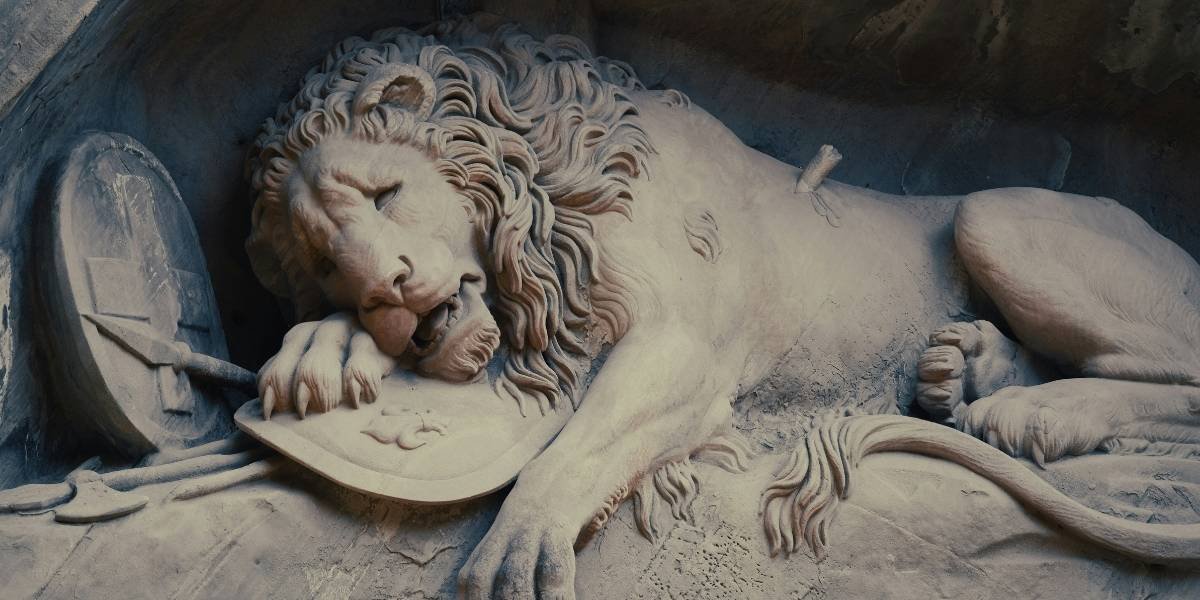
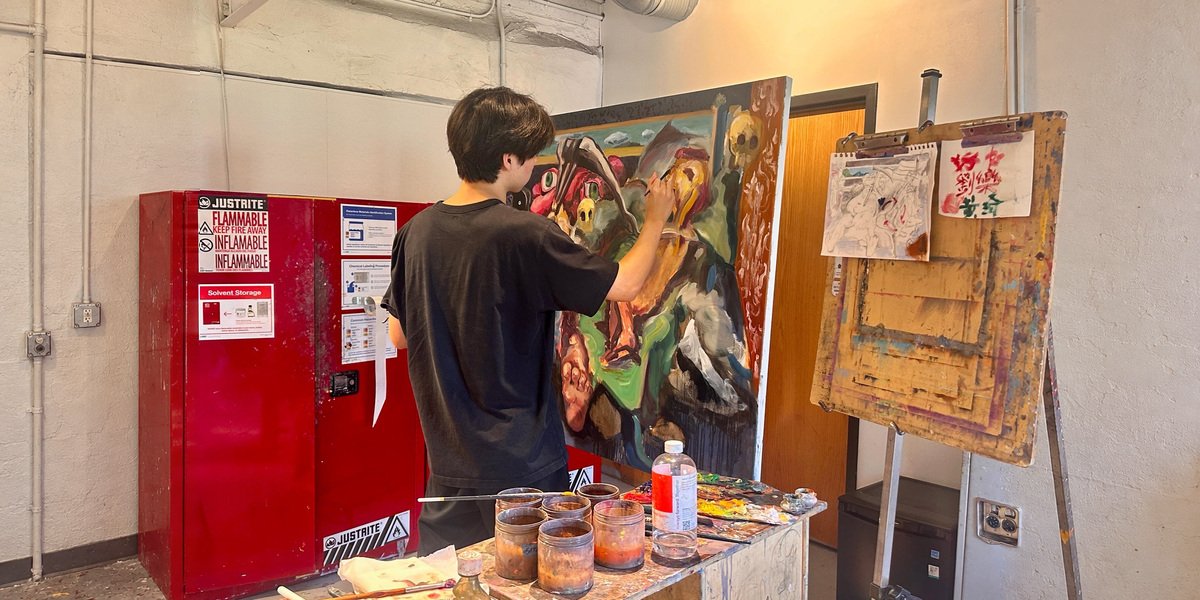
The immersive visual narrative of this exhibit echoes the storytelling style featured in Artist Weekly’s interview with Meifang Zhou, where symbolic layering and emotional abstraction were central to her award-winning work.
Dream Logic and Emotional Architecture
Surrealism thrives on dream logic—where cause and effect are suspended, and emotion drives the sequence. In music videos, this means scenes that shift without warning, characters that defy physics, and environments that feel more like subconscious projections than real places. It’s a technique that mirrors how music itself works: emotionally, rhythmically, and intuitively.
Directors like Hiro Murai and Tanu Muino are masters of this approach. Murai’s work with Childish Gambino, especially “This Is America,” uses surrealist tension to keep viewers off-balance. Muino’s videos for Lil Nas X and Harry Styles bend reality with theatrical flair, creating visual spaces that feel both familiar and alien.
This kind of emotional architecture is especially powerful in genres like R&B and alt-pop, where mood and tone are central. Artists are using surrealism not just to decorate their videos, but to build entire worlds that reflect the psychological terrain of their songs.
The Rise of Visual Storytelling in Indie and Experimental Scenes

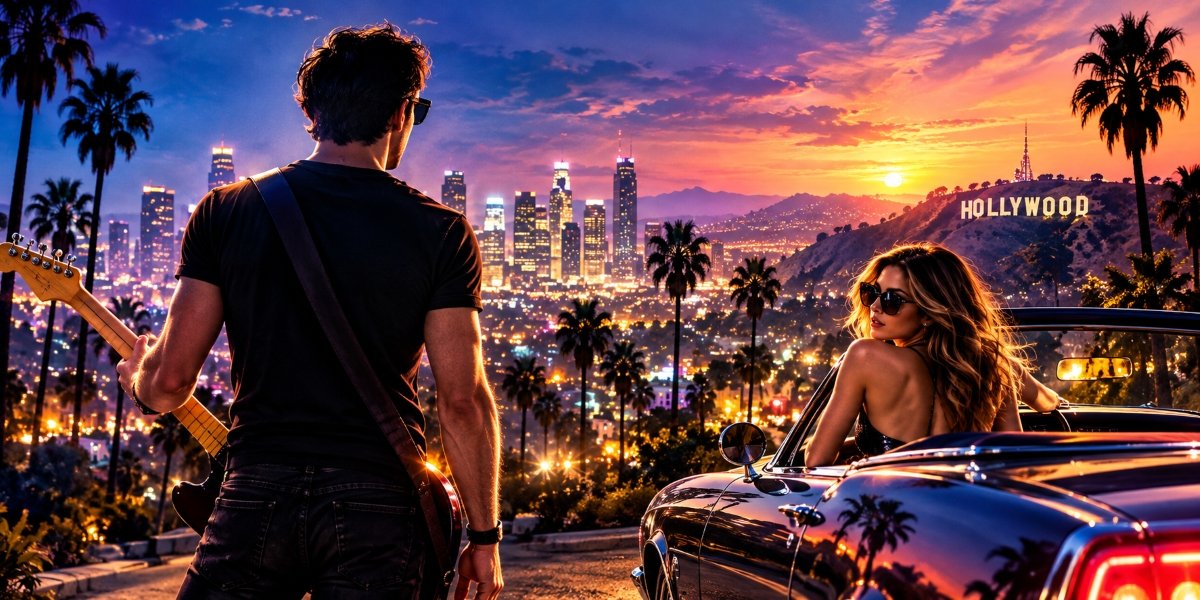
Photo Credit: Unsplash.com
While surrealism is gaining traction in mainstream music, it’s also fueling innovation in indie and experimental scenes. Emerging artists are using low-budget surrealist techniques—like collage animation, analog distortion, and found footage layering—to create videos that feel handmade and emotionally raw.
Filmmaker-musicians like Arca, Yves Tumor, and Ethel Cain are pushing the boundaries of what a music video can be. Their work often blends performance art, fashion editorial, and surrealist cinema into hybrid forms that resist categorization. These videos aren’t just promotional—they’re part of the artistic output.
In Artist Weekly’s feature on Elnoir, the ghostwriter’s visual collaborations were described as “hauntingly poetic,” a phrase that could easily apply to this new wave of surrealist music video creators. The emphasis is on mood, metaphor, and mystery—not clarity.
Why Surrealism Works for the Streaming Era
Streaming platforms have changed how we consume music videos. We’re no longer watching them on TV between commercials—we’re choosing them, replaying them, dissecting them. Surrealism thrives in this environment because it rewards repeat viewing. Each frame can be paused, analyzed, and interpreted differently.
This has led to a rise in fan-led visual analysis on platforms like TikTok and YouTube, where users break down symbolism, color theory, and narrative structure. Music videos are becoming cultural texts, and surrealism gives them layers worth exploring.
It also helps that surrealist visuals are inherently shareable. A floating eyeball, a staircase to nowhere, or a singer dissolving into paint—these are moments that grab attention in a scroll-heavy feed. They’re not just artistic—they’re algorithm-friendly.
Surrealism Is a Tool, Not a Trend
What makes surrealism so effective in music videos isn’t just its aesthetic—it’s its adaptability. It can be dark, whimsical, political, romantic, or absurd. It can amplify a song’s message or complicate it. And because it’s rooted in emotional truth rather than literal meaning, it gives artists room to experiment without losing impact.
As more musicians collaborate with visual artists, choreographers, and experimental filmmakers, surrealism will continue to evolve. It’s not a trend—it’s a tool. And right now, it’s helping artists tell stories that feel more honest, more layered, and more unforgettable.