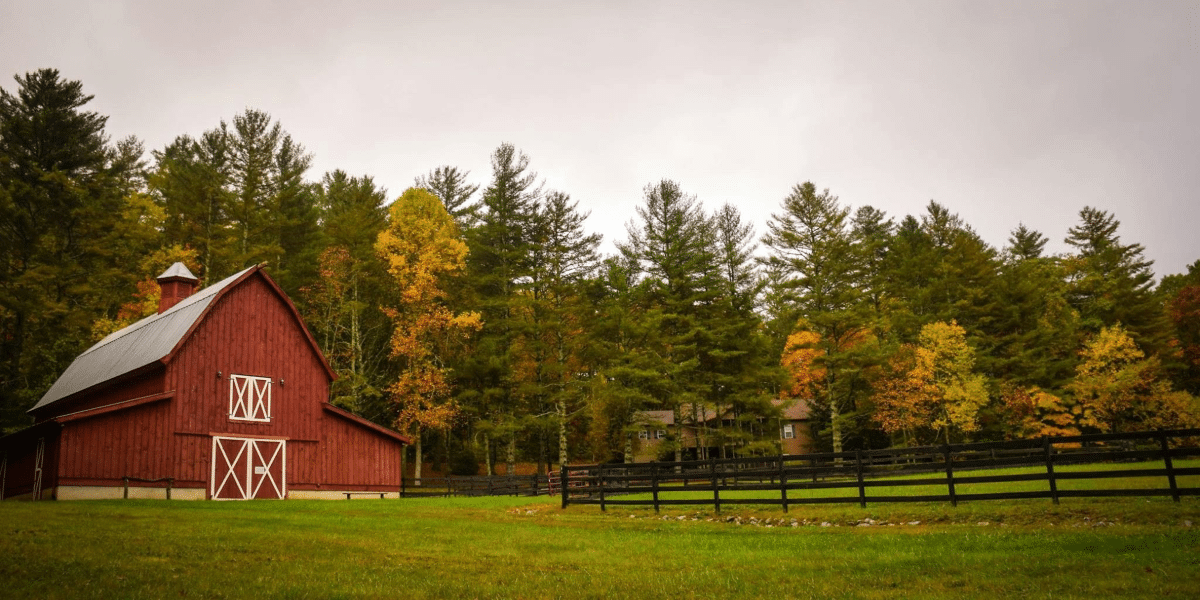

Running a smallholding or hobby farm is both rewarding and challenging. But having the ideal smallholding insurance can mean the difference between peace of mind and sleepless nights. Protecting your land, livestock, property, and even yourself is key to successful smallholding.
Let’s dig into why smallholding insurance matters, what coverage options are essential, and how to choose the policy that fits your unique needs.
Why Smallholding Insurance is Essential
Smallholding insurance is designed specifically for those who manage small farms, including hobby farms. It’s a unique insurance type because it covers many risks that regular home insurance won’t. Smallholders face unique challenges and inherent risks that need tailored coverage. Smallholdings aren’t just homes with some extra land—they’re working farms requiring specific protections.
Without proper coverage, even a small incident may lead to unexpected expenses and liability claims that might financially cripple a small-scale farmer. Whether your farm focuses on livestock, crop production, or both, having the right cover is essential to protecting your investment.
Key Coverage Options to Consider
Smallholder insurance policies offer several types of coverage that go beyond what you’d see in standard home insurance. Here’s a breakdown of the important options:
1. Public Liability Insurance
Public liability coverage is one critical component. If a visitor or even a trespasser gets injured on your land, public liability insurance protects you against claims for accidental injury. Public access can be a part of your business model if you host events or run a farm shop. Liability claims will quickly become costly, and public liability insurance protects you.
2. Employer’s Liability Insurance
If you employ any staff in your smallholding, you’ll need the employer’s liability cover. The insurance covers claims if an employee is injured while working on your farm. Even casual workers and volunteers count as employees for insurance purposes, making employers’ liability essential for smallholders who need extra hands during busy seasons.
3. Environmental Liability
Modern farming comes with environmental responsibilities. Environmental liability insurance covers damage caused by your farming operation to surrounding land and ecosystems. For example, if a fuel spill contaminates nearby land, environmental liability insurance will cover the cleanup costs, preventing hefty out-of-pocket expenses.
4. Contents and Property Damage Insurance
Smallholdings rely on many valuable equipment, from tractors to gardening tools. Contents insurance and property damage cover help protect your tools and farm equipment. Many policies also cover agricultural buildings, home buildings, and barns. Repair or replacement costs for farm buildings may be high, so having property insurance is crucial.
5. Livestock Insurance
For smallholders who keep animals, livestock insurance is invaluable. It covers risks like disease, theft, or even attacks from other animals. Livestock insurance is especially important if you own valuable animals or your income relies on selling livestock products.
6. Business Interruption Insurance
Unexpected events like storms, fires, or equipment breakdowns may interrupt your farming operation and cut your income. Business interruption insurance provides financial support in these cases, allowing you to recover lost income while returning to business.
How to Choose the Right Small Holding Insurance Policy
Finding the right insurance policy may seem overwhelming with so many coverage options. Here’s what to consider when selecting smallholding insurance that fits your farm.
Assess Your Farm’s Specific Needs
Every smallholding is different. Start by listing your farm’s primary activities, assets, and risks. For example, you may need additional coverage options if you run a farmers market, DIY livery, or tenting accommodation on your property. Smallholders who host public events should prioritize public liability and environmental liability.
Calculate Insurance Premiums
Insurance premiums for smallholdings vary based on coverage options and farm size. Insurance premium tax and the value of assets also impact premiums. Working with an insurance broker will help you find policies that balance affordability with comprehensive protection. A broker will guide you on premium costs and options for increasing or decreasing coverage limits.
Factor in Territorial Limits
Some policies include territorial limits that specify the geographic area covered. If your farm business operates across borders, such as supplying produce to the Channel Islands, check that your policy covers these areas.
Include Employers’ Liability and Legal Expenses
If you hire workers, employers’ liability is a must. Some policies also include legal expenses coverage, which helps with legal costs if you face a lawsuit. Legal expenses coverage is valuable for small and large claims, from injury lawsuits to property disputes.
Benefits of Having Ideal Small Holding Insurance
A well-chosen smallholding insurance policy offers numerous benefits that go beyond financial protection. Here’s why smallholder insurance is a smart investment.
Financial Protection
Smallholding insurance covers the financial fallout of various incidents, from property damage to accidental injury on your land. By covering legal, repair, and medical costs, insurance provides vital financial security, allowing you to focus on running your farm without constant worry.
Protecting Livelihood and Income
Many smallholders rely on their farms as a primary income source. Insurance will keep you covered in case of income interruptions due to natural disasters or equipment failure. Small-scale farmers who generate income from their land or livestock will safeguard their livelihood by choosing the right coverage.
Peace of Mind
Knowing you’re protected against unforeseen risks provides peace of mind. Hobby farmers and professional smallholders alike can rest easy, knowing they’ve done everything to protect their investments, family, and way of life.
Why Work with an Insurance Broker
An experienced insurance broker understands the unique needs of smallholders. They will help you compare policies, explain coverage options, and identify the premier solutions for your farm. A broker knows that smallholding insurance must be flexible enough to handle everything from property coverage to liability insurance.
Final Thoughts
Finding the ideal small holding insurance may seem challenging, but it’s essential for anyone serious about protecting their small farm. Comprehensive coverage isn’t just a good idea; it’s a critical safeguard against the risks of small-scale farming. Whether you’re a hobby farmer or a professional, the right insurance policy ensures you may continue farming without fear of unexpected setbacks.
Frequently Asked Questions
What does farm insurance cover for smallholders?
Farm insurance provides insurance coverage for your land, livestock, and buildings, as well as liability protection for various farm-related risks.
Do I need EL cover if I employ workers on my smallholding?
Yes, EL cover (Employer’s Liability) is legally required if you employ anyone to work on your farm.
Can farm insurance protect my livestock?
Farm insurance may cover losses or damages to owned livestock, including disease, theft, and accidents.
Disclaimer: The information provided in this article is for general informational purposes only and should not be considered legal, financial, or professional advice. While every effort has been made to ensure accuracy, insurance policies and regulations can vary significantly by provider, location, and individual circumstances. Readers are encouraged to consult with qualified insurance professionals or legal advisors to obtain guidance tailored to their specific needs. Any mention of products, services, or providers is not an endorsement, and terms of coverage should be reviewed carefully with the insurer before making decisions.
Published by: Nelly Chavez