
By: Arjun Viswanathan PMHNP-BC, MBA
I work like a creature that can never quite rest. Every day is a sprint that begins before dawn and ends well past exhaustion. Sometimes I imagine myself as a cheetah – fast, focused, and stretched thin across the savannah of responsibility- running not for prey but for promise. The promise that my son will have more choices than I did. The promise that my family will never feel unprotected. The promise that this relentless motion means something. The promise that my son will have more chances than his mother did- more open doors, more safety nets, more room to try, err, and still move forward.
But there are nights when the motion feels endless- when the dream begins to echo The Great Gatsby and Waiting for Godot at once. Gatsby’s glittering pursuit of the green light and Beckett’s quiet, infinite waiting both live inside the same exhausted heart: the one that keeps believing that love and effort will redeem the grind.
Gatsby built his life around a vision so fragile it could barely survive daylight. He shaped his days around the hope that devotion alone could bend time and rebuild what was lost. I understand that longing -the way work becomes worship when you’re building a future for someone you love. Every evaluation I write, every patient I listen to, and every late-night chart I finish-it all feels like one more brick in a structure I’m building for my son. My green light glows faintly from his world: the school he attends, the laughter I sometimes only hear through the phone, the man I hope he will one day become. But where Gatsby’s dream collapsed into illusion, mine is tethered to something real. It’s tethered to the quiet truth that service itself, the very act of caring, is already a form of love. I’m not trying to buy back the past; I’m underwriting a future in which my son’s options exceed his mother’s, not because she lacked worth, but because the world too often withholds its keys.
Beckett’s (the modern day Bill and Ted version) tramps wait endlessly for someone who never comes. They repeat their rituals-hat off, hat on, a few lines of hope, then despair again.
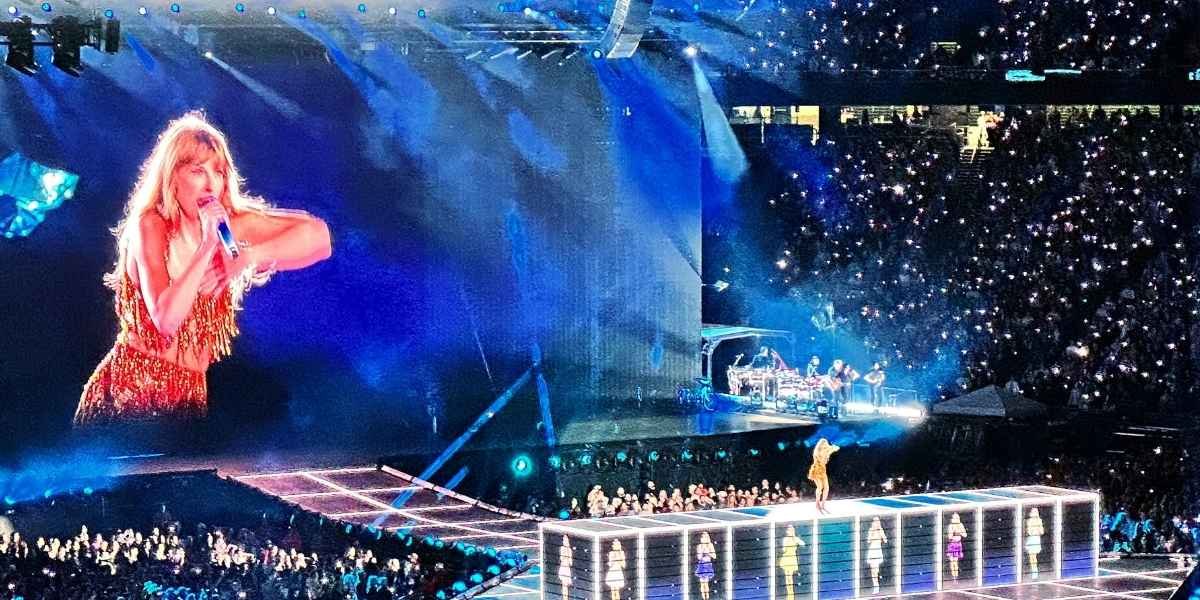
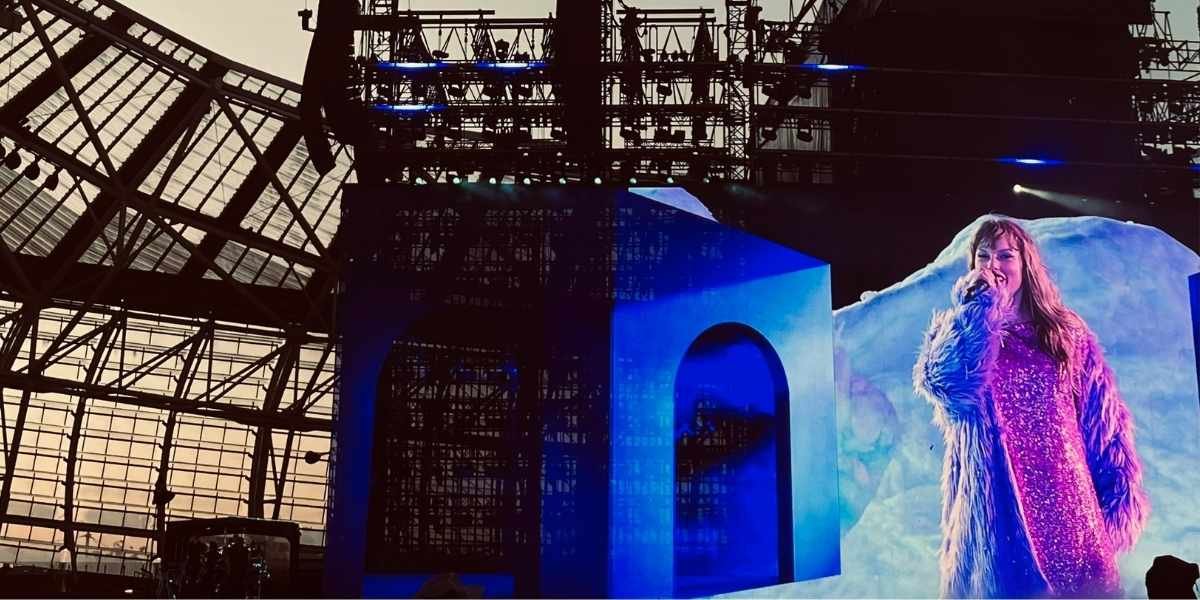
I didn’t have to be in row B to feel that despair, which was so palpable. It’s easy to feel that rhythm in the life of a modern clinician. The appointments blur. The inbox refills. The clock never truly stops. But Vladimir and Estragon taught something hidden inside the absurdity: meaning is not delivered to us; it is created in the act of waiting faithfully. I may not see my family as often as I wish. Some days, the hours I pour into the work feel like they drain from the same well I want to save for home. And yet, every small act of care, every patient lifted from despair, is its own quiet proof that the waiting has value. The reward may never appear all at once. But endurance itself becomes sacred. The faith that if I keep showing up, then at least some part of the world is made better, even if I never get to see the full result.
The cheetah runs out of survival and instinct. It doesn’t run out of greed. When it pauses, its entire body still vibrates with the memory of speed. That is how I live! It’s fierce motion balanced on the fragile grace of purpose. My cub-my son -doesn’t yet see the full weight of that motion. He only sees glimpses of the rare weekend breakfast or perhaps the short conversation before I return to another patient’s pain. But one day, I hope he recognizes that every sleepless night was an offering. I run not away from love, but because of it. The cheetah does not resent the chase. It understands that the run is the lineage. It is how survival and legacy intertwine. If I am tireless, it is so he can have selection; if I am stretched thin, it is so his life can be wide. Wider than his mother’s was allowed to be.
In the space between Gatsby’s doomed pursuit and Godot’s infinite waiting lies something else and something that I call Allostatic Grace. It is the ability to stay balanced while running on uneven ground; to keep hope alive without demanding certainty; to love ferociously without knowing when the reward will arrive. That grace is what sustains me. It transforms exhaustion into meaning. It lets the cheetah run not out of panic but devotion. It allows me to believe that even if I am overworked, under-rested, and stretched across time zones of responsibility, every stride still points toward love.
Both The Great Gatsby and Waiting for Godot end in stillness. Gatsby’s dream dies with him. Beckett’s men decide to move, but do not move. And yet, both works are strangely tender toward their protagonists, as if to say that the effort itself was the meaning all along. I understand that tenderness now. I may not see the full bloom of what I’m planting. I may miss more dinners than I can count. But I keep running, because love makes the running worthwhile. The dream and the wait are not opposites -they are the same act of faith, expressed through motion and endurance. So I run, not to escape, but to ensure my son will one day walk-not hurried, and free-with more pathways than his mother was given, and the grace to choose among them.
Learn more about Arjun here: Www.247Mental.com
Disclaimer: The views and opinions expressed in this article are those of the author, and do not necessarily reflect the official policy or position of any organization or entity. This is a personal reflection based on the author’s experiences and insights.