
When you open a website or use an app on your phone, you are looking at a digital world. You can see buttons, images, and videos, but you cannot see the physical machines making it all work. You might be sitting in a cafe in Cavite or a home in Seoul, but the “brain” of the website is likely thousands of miles away.
Nowadays, understanding where these computers are hidden is very important. These machines are called Servers, and they live in giant, high-tech buildings called Data Centers. These centers are the heart of the internet, and unlike humans, they never sleep.
The Secret Cities of Servers
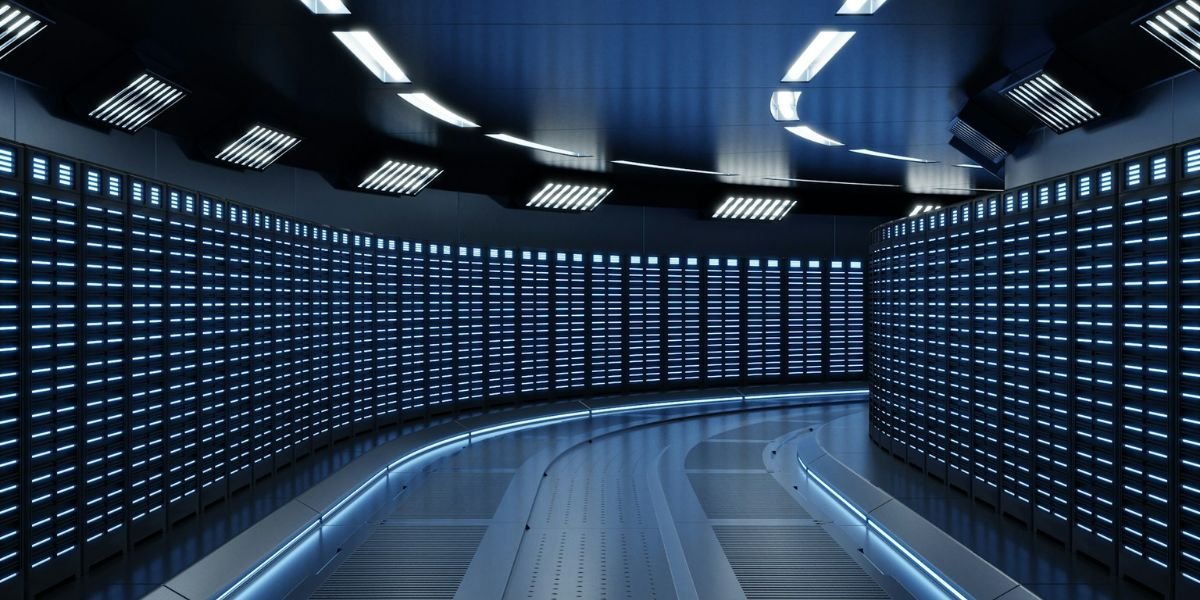
A data center is not a normal office. It is a specialized building filled with rows and rows of powerful computers stacked in tall metal racks. These buildings are often hidden in plain sight—sometimes in old factories, underground bunkers, or even inside mountains.
Companies choose these locations based on two things: Safety and Power. To protect your data from fraud and physical theft, these buildings have thick walls, armed guards, and biometric scanners that check fingerprints or eyes. They are built in areas where there are no earthquakes or floods because even one minute of “sleep” could cause a global problem.
Why They Must Stay “Awake” 24/7
Imagine if a major bank or a global platform turned off its computers at 5:00 PM. Millions of people would lose access to their money. In our modern world, we expect digital services to be available every second of every day. This is called Uptime.
To keep these computers awake, data centers have “backup” systems for everything.
- Electricity: If the local power grid fails, giant diesel generators and thousands of batteries turn on instantly.
- Cooling: Computers get very hot when they work. Data centers have massive air conditioning systems or even use cold ocean water to keep the machines from melting.
- Internet: They are connected to the world by multiple fiber-optic cables. If one cable is cut by accident, another one takes over immediately.
How “Sleeping” Computers Can Be a Fraud Risk
In the world of anti-fraud, we look at the “Health” of a server. If a website frequently goes offline or “falls asleep,” it is a major red flag.
Major platforms spend millions of dollars to ensure they never go down. A small, risky site often uses cheap, low-quality servers. These cheap servers crash easily and have weak security. If a site is “Down for Maintenance” every week, it might mean their technology is too weak to protect your data. Scammers also use these gaps in service to hide their tracks or pretend they are having “technical errors” so they don’t have to pay out your winnings.
The Global Network: Why Distance Matters
Even though a server is hidden in a data center, its location affects your experience. This is called Latency. If the server is in London and you are in the Philippines, the data has to travel across the bottom of the ocean through cables. This takes a tiny fraction of a second, but in high-speed technology, that time matters.
To solve this, major platforms use a CDN (Content Delivery Network). This means they hide “mini-servers” in hundreds of different cities. When you log in, you aren’t talking to the main brain in London; you are talking to a smaller computer hidden much closer to you. This makes the site faster and much harder for hackers to attack because the data is spread out, not all in one place.
Technical Glossary: The Server World
| Term | Simple Meaning | Role in Anti-Fraud |
| Server | A computer that “serves” data to you. | The brain where your data is stored. |
| Uptime | The time a computer is awake and working. | High uptime = High reliability. |
| Latency | The “delay” in the connection. | Fast speed prevents connection errors. |
| Redundancy | Having a “Plan B” (backup) for everything. | Prevents data loss during accidents. |
How to Spot a Healthy “Hidden Computer”
You can tell if a site is using a good, high-quality data center by observing a few things:
- SSL Certificate: Look for the lock icon in your browser. This means the server is encrypting your data before it sends it across the ocean.
- Global Speed: Use a free tool to check if the site is fast in different countries. A good platform is fast everywhere because they have servers hidden all over the world.
- Transparency: Major platforms often have a “Status Page.” This is a public website that shows you exactly how their servers are feeling and if any are currently “sleeping.”
The computers that run our digital lives are hidden in cold, dark, and highly secure rooms. They never sleep because our global economy and our personal safety depend on them being awake.
By understanding that a website is actually a physical machine in a real building, you can make smarter choices. If a platform doesn’t invest in high-quality “hidden computers,” they aren’t invested in your safety. Always look for the signs of a strong, awake, and well-protected server network. It is the invisible foundation of a safe digital experience.