
By Julian Mercer, Senior Media Correspondent
While major streaming companies continue spending billions chasing blockbuster franchises and celebrity-driven spectacles, a smaller player operating largely outside the Hollywood system is taking a very different path.
Instead of competing in the race for volume, The ART Channel is leaning into something increasingly rare in digital media: curation, atmosphere and cultural storytelling.
The company’s leadership believes audiences are beginning to experience fatigue from algorithm-driven entertainment ecosystems that prioritize endless consumption over meaningful engagement. In response, the network is building a FAST (Free Ad-Supported Streaming Television) platform centered around art, design, architecture, music, performance, documentary storytelling and global cultural experiences.
According to executives, the strategy is less about producing “content” and more about creating an environment viewers want to return to.
“We’re not trying to flood audiences with noise,” said Kurt A. Swauger, Head of Programming and Strategic Development. “We’re trying to build a channel people can actually live with — something inspiring, intelligent and visually immersive.”
That distinction has become central to the company’s identity.
Unlike traditional subscription platforms built around binge-viewing behavior, The ART Channel operates more like a modern cultural network, blending scheduled FAST programming with original productions, live event coverage and themed viewing blocks designed to recreate the experience of discovery.
Leadership says the goal is to restore some of the emotional connection that disappeared when streaming became dominated by infinite menus and fragmented viewer attention.
“There was something beautiful about turning on television years ago and unexpectedly discovering something remarkable,” Swauger said. “Streaming became incredibly efficient, but it also became exhausting. We think audiences are ready for curated experiences again.”
That philosophy is influencing every corner of the company’s programming model.
Original productions now focus heavily on real-world cultural events and artistic movements rather than traditional scripted entertainment. Upcoming and recent projects include documentary features, artist-driven series, exhibition coverage and hybrid productions that combine physical experiences with digital storytelling.
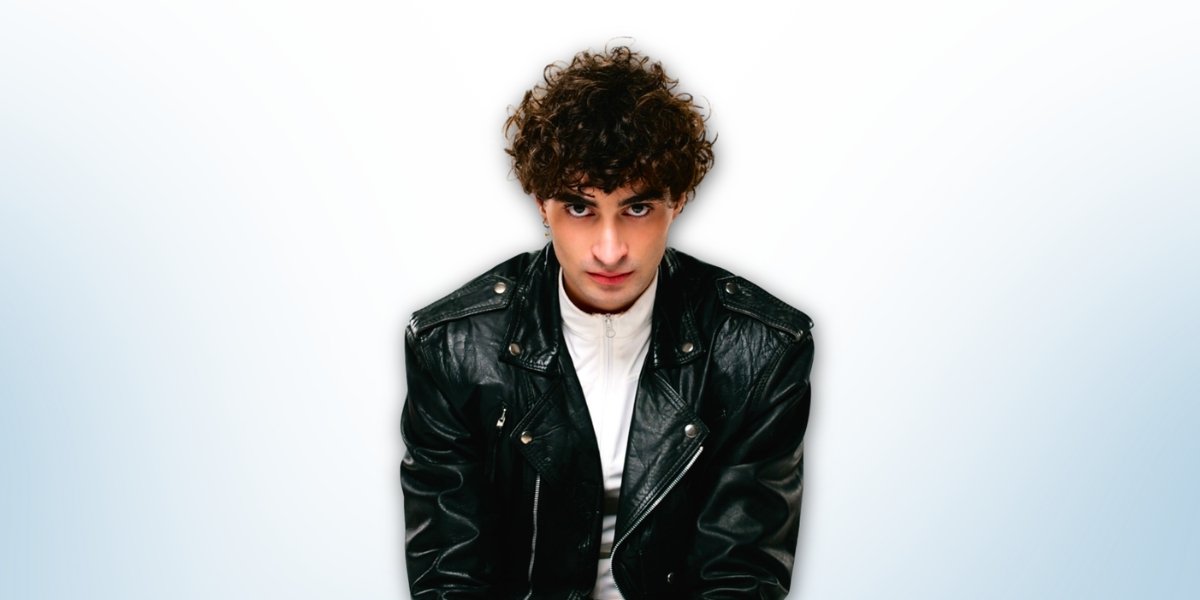
One major example is That Boy on Stage: The John Shiner Story, a documentary chronicling the remarkable journey of photographer John Shiner, whose early images captured legendary performers including Freddie Mercury, David Bowie and Tina Turner before vanishing from public view for decades.
Rather than positioning the film as a standalone streaming release, executives are aligning it with gallery activations, archival exhibitions and companion content to extend its cultural footprint beyond the screen.
“We’re interested in creating ecosystems around stories,” Swauger explained. “If a documentary can live inside exhibitions, interviews, live events and educational conversations, it becomes more powerful.”
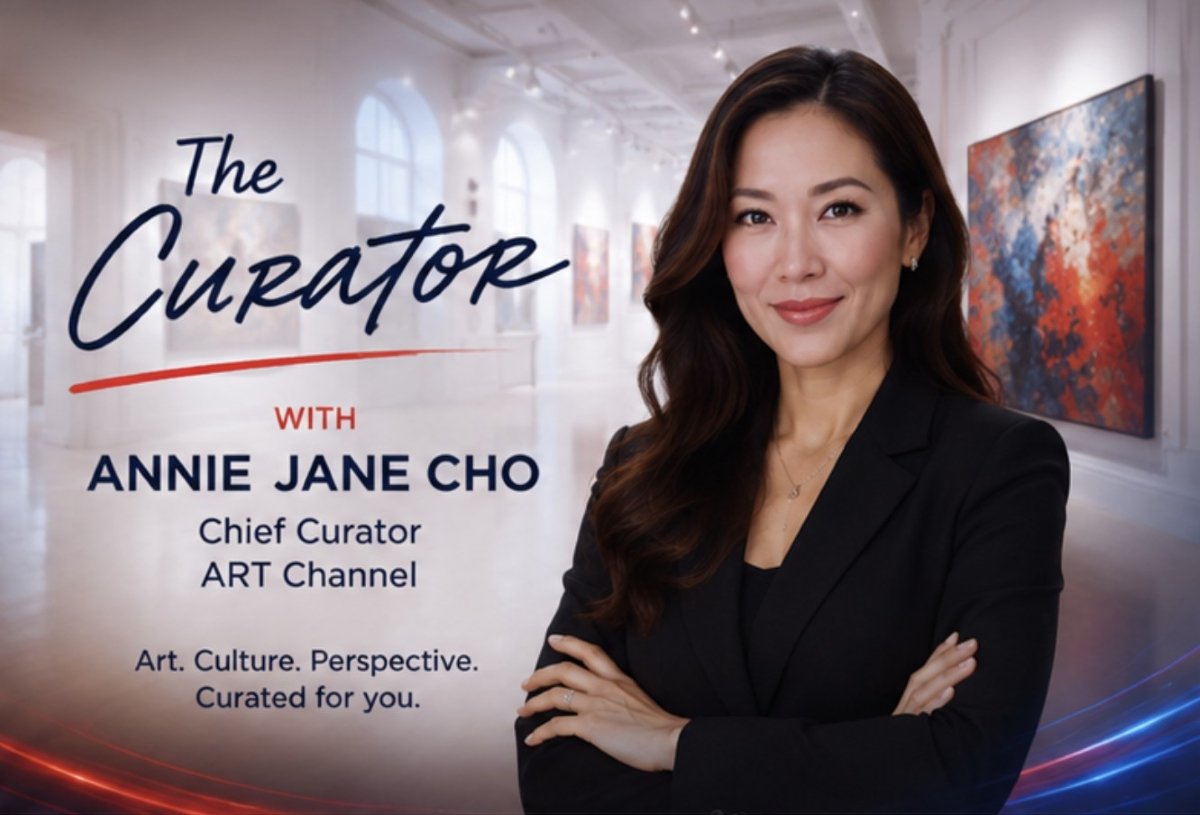
The network’s AI-hosted series The Curator reflects a similar philosophy.
Fronted by virtual host Palmer Winslow and his co-chief Annie Jane Cho, the show explores artists, exhibitions and emerging movements across the global art world while integrating commentary, historical context and visual storytelling. Episodes often coincide with real-world gallery openings and museum events across cities including Miami, Hong Kong, Los Angeles and New York.
Executives believe that connection between physical and digital spaces may become one of streaming’s most important future trends.
“The line between media and experience is disappearing,” said Kurt A. Swauger, “Audiences don’t just want passive viewing anymore. They want context. They want immersion. They want to feel connected to something real.”
The platform’s broader programming slate reflects that same hybrid mentality.
Series like Cooktop Art: Dish’in’ merge culinary storytelling with visual art, while experimental projects tied to digital creators, metaverse culture and AI-driven creativity continue expanding the company’s original content ambitions.
Even The Andy & Jean Show, the network’s surreal adult animated series inspired by Andy Warhol and Jean-Michel Basquiat, functions less like conventional animation and more like a commentary on celebrity culture, technology and artistic legacy.
Still, executives acknowledge that original programming alone is not enough to sustain a streaming business.
Like many FAST platforms, The ART Channel relies heavily on licensed content to create consistency and daily engagement across its ecosystem. Leadership views the balance between licensed programming and originals as essential to long-term viability.
“Originals create brand identity,” Swauger said. “Licensed content creates rhythm. Together, they create habit.”
That model appears increasingly relevant as audiences continue pushing back against rising subscription costs across the broader streaming industry.
Rather than asking consumers to add yet another monthly bill, FAST platforms offer frictionless access supported through advertising and sponsorship integration. Analysts believe the sector could continue expanding rapidly over the next several years as viewers migrate away from expensive subscription stacking.
The ART Channel’s leadership believes the company benefits from serving an audience often overlooked by mainstream entertainment companies.
Its viewers include artists, collectors, students, architects, designers, educators and culturally curious audiences seeking alternatives to formulaic entertainment.
“The arts audience is far larger than people think,” Swauger said. “It spans generations and continents. Creativity is universal.”
That global perspective is now shaping expansion efforts.
The company has increased investment into subtitled and dubbed programming while developing relationships across European, Asian and Latin American markets. Executives say international partnerships will play a major role in the next phase of growth, particularly as cultural programming naturally transcends language barriers.
Meanwhile, live experiences are becoming increasingly central to the platform itself.
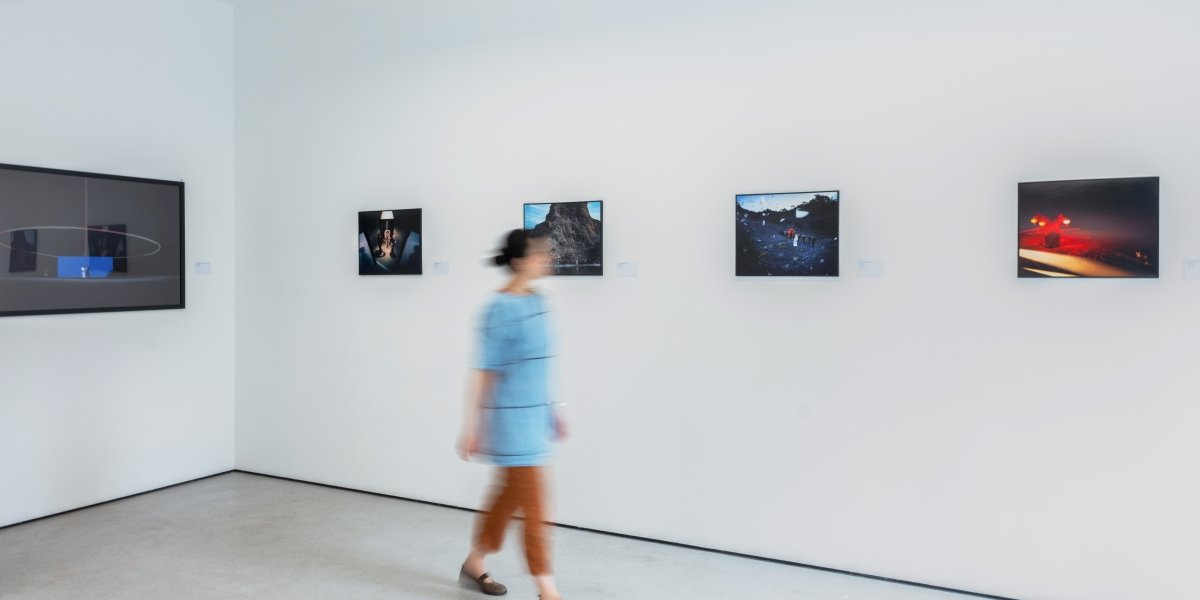
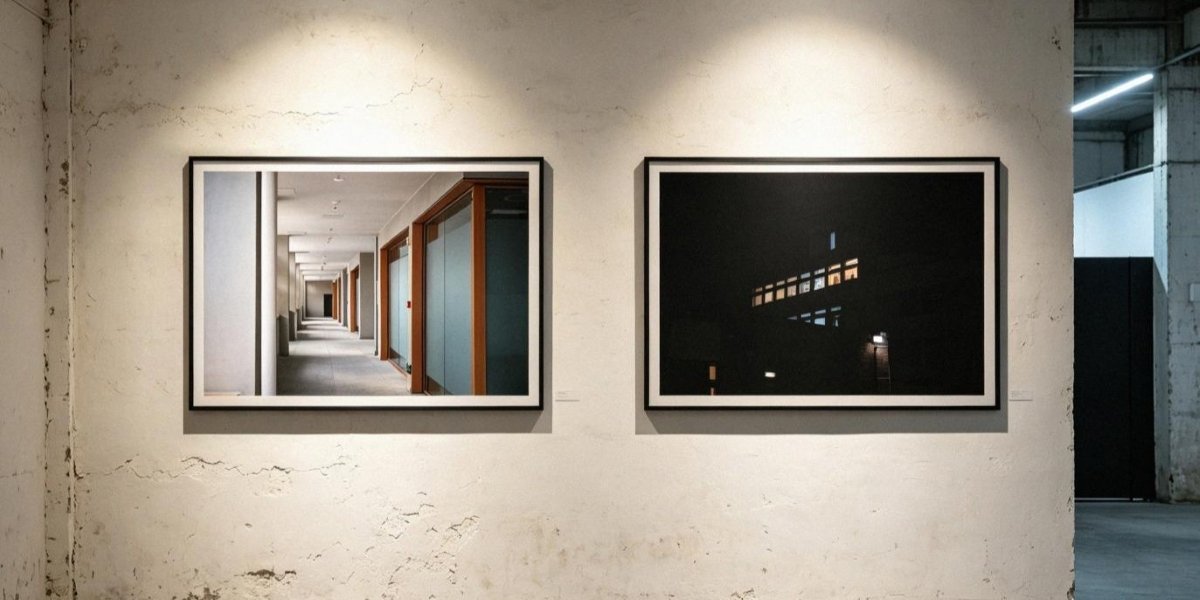
Gallery openings, museum walkthroughs, studio visits, live interviews and art fair coverage are being integrated into dedicated content hubs within the streaming interface, allowing viewers to move fluidly between live broadcasts, historical context and on-demand companion programming.
The structure mirrors how sports streaming services organize live events and supporting content, but adapted for culture.
“When an important exhibition opens, we want audiences to feel like they’re part of that moment,” Swauger explained. “Not days later. Not through clips on social media. In real time.”
That approach also creates new opportunities for sponsors and brand partnerships.
Rather than interrupting programming with unrelated advertising, the network increasingly integrates luxury brands, galleries, institutions and cultural partners directly into the storytelling environment itself.
According to executives, the strategy creates stronger alignment between advertisers and audiences while preserving the immersive tone of the platform.
“Our partners are often already participating in the cultural ecosystem,” Swauger said. “The relationship feels organic instead of disruptive.”
As traditional television continues declining and streaming platforms fight aggressively for attention, The ART Channel is betting that viewers may ultimately crave something simpler, and perhaps more human.
Not louder entertainment.
Not bigger franchises.
Just better experiences.
And in a media landscape drowning in repetition, that may be exactly what makes the company stand out.