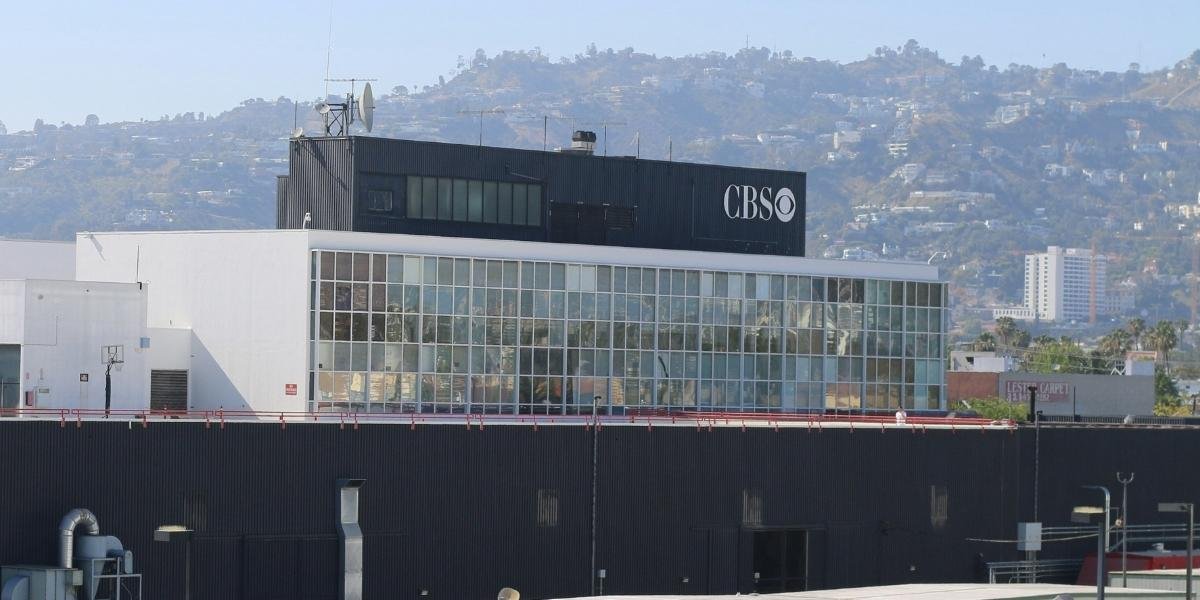

Stephen Colbert’s run as host of The Late Show with Stephen Colbert will conclude on May 21 after CBS announced plans to end the long-running late-night program following nearly 10 years under the comedian and television host. The decision has prompted reactions from former host David Letterman and renewed attention on the future of late-night television as networks continue adjusting to changing audience habits and digital competition.
CBS announced that production of The Late Show would continue through the spring television season before concluding on May 21. The network has not announced a replacement for the program’s longtime time slot or confirmed whether another traditional late-night talk show will take its place.
Colbert became host of The Late Show in September 2015 after Letterman retired from the franchise. Since then, the comedian and television personality has led the program through major shifts in the entertainment industry, including the rise of streaming platforms, online video consumption, and social media-driven audience engagement.
CBS Confirms the End of The Late Show
The network said the cancellation followed broader programming decisions and changes affecting the television business. CBS did not publicly provide financial details connected to the decision, though traditional late-night television has faced growing pressure from declining linear viewership and changes in advertising revenue.
During Colbert’s tenure, The Late Show remained one of the most recognizable programs in late-night television. The show continued its mix of celebrity interviews, comedy monologues, musical performances, and current events commentary while expanding its digital reach through online clips and social media.
Colbert also guided the program through major production changes during the COVID-19 pandemic, when the show temporarily shifted to remote broadcasts before returning to studio production. Like other late-night programs, The Late Show adapted to audiences increasingly consuming entertainment through streaming and mobile platforms.
The franchise originally launched in 1993 with David Letterman as host following his move from NBC to CBS. Letterman remained with the program until his retirement in 2015, helping establish The Late Show as one of the defining brands in American late-night television.
David Letterman Criticizes CBS Following Cancellation
After the cancellation announcement, Letterman publicly criticized CBS and referred to network executives as “lying weasels” while discussing the decision. His comments quickly attracted attention online because of his longstanding connection to the franchise and his role in building the program’s reputation over more than two decades.
Letterman hosted The Late Show for 22 years and helped shape the modern late-night format through celebrity interviews, recurring comedy segments, and unconventional humor. During his time at CBS, the show became a major part of network television and regularly featured actors, musicians, filmmakers, athletes, and political figures.
CBS has not directly responded to Letterman’s criticism, though network representatives reiterated that the cancellation was tied to broader programming evaluations.
The reaction from Letterman also renewed discussion about the changing economics of late-night television. Industry observers have noted that maintaining large-scale nightly productions has become increasingly difficult as viewers shift toward digital platforms and on-demand entertainment.
Several entertainment figures and television writers commented publicly on the cancellation, with many pointing to the larger transformation affecting traditional broadcast television. Online conversations surrounding the announcement also focused on how streaming services and creator-driven platforms have reshaped audience expectations.
Stephen Colbert’s Version of the Franchise
When Colbert succeeded Letterman in 2015, CBS positioned the transition as a major shift for the franchise while maintaining the program’s established audience base. Colbert entered the role after leading The Colbert Report, where he built a reputation for political satire and topical comedy.
Under Colbert, The Late Show became more closely associated with political commentary and current events coverage. Monologues frequently addressed elections, national politics, media controversies, and cultural issues, helping the show attract strong digital engagement during major news cycles.
The program also remained a major promotional platform for entertainers and artists. Musicians regularly performed on the show, while actors and filmmakers used appearances to promote new television series, movies, tours, and creative projects.
Throughout Colbert’s run, The Late Show competed within a crowded late-night television landscape that included programs hosted by Jimmy Fallon, Jimmy Kimmel, and Seth Meyers. Although traditional ratings continued facing pressure across the industry, online clips from late-night programs often reached audiences far beyond scheduled television broadcasts.
The show’s digital strategy became increasingly important as viewers consumed interviews, comedy segments, and monologues through YouTube, streaming services, and social media platforms rather than live broadcasts.
Late-Night Television Continues to Evolve
The end of The Late Show under Colbert reflects broader shifts affecting television and entertainment media. Traditional late-night programs once depended heavily on scheduled nightly audiences and advertising tied directly to broadcast television. Audience behavior has since changed significantly as streaming and digital platforms expanded.
Younger viewers increasingly consume entertainment through short-form videos, podcasts, and creator-led online content. As a result, network late-night shows now compete not only with television rivals but also with independent digital personalities and streaming-based entertainment.
Networks have responded by reevaluating programming investments and reducing costs tied to large studio productions. Some broadcasters have shortened schedules, adjusted budgets, or reconsidered the future of nightly talk-show formats altogether.
Entertainment executives continue to see value in celebrity interviews and topical comedy, though distribution strategies have shifted heavily toward digital clips and social media engagement. In many cases, online segments now attract more total views than full television episodes.
CBS has not announced future plans for the time slot currently occupied by The Late Show. Colbert also has not publicly confirmed his next professional project following the cancellation announcement.
The final episode on May 21 will conclude a franchise that has remained part of American television for more than 30 years. The ending of The Late Show also marks another major transition for the late-night television industry as networks continue adapting to changing viewer habits and digital entertainment trends.