
By: Lonnie Nabors
Every so often, a record comes along that feels less like an album and more like somebody ripping pages from their journal, setting them on fire, and then singing the ashes into a microphone.
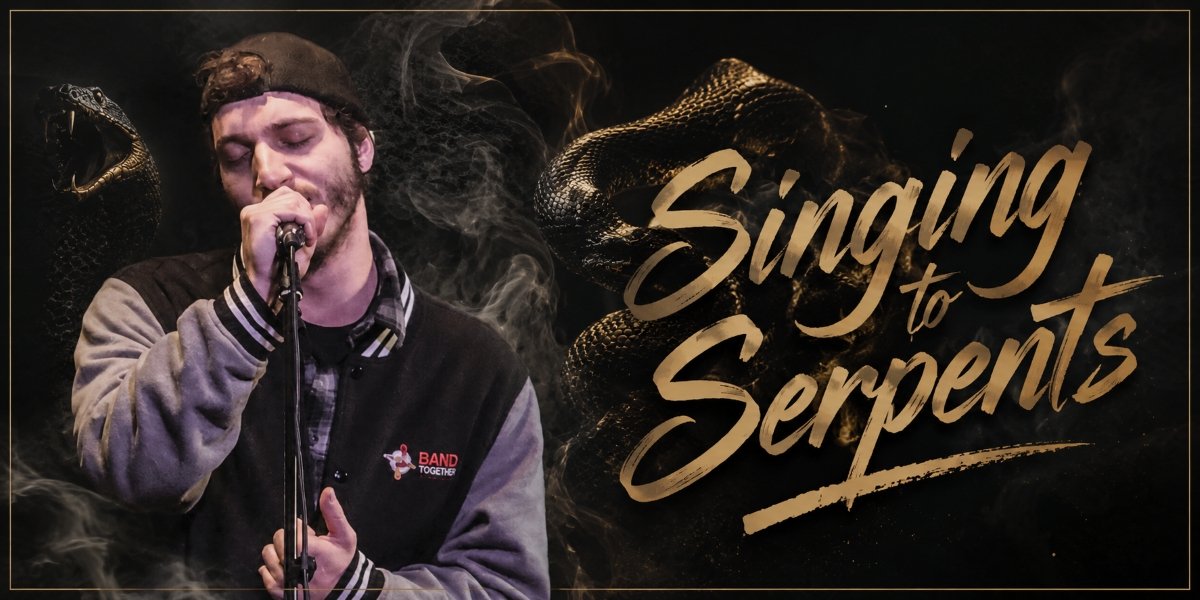
That’s Singing to Serpents.
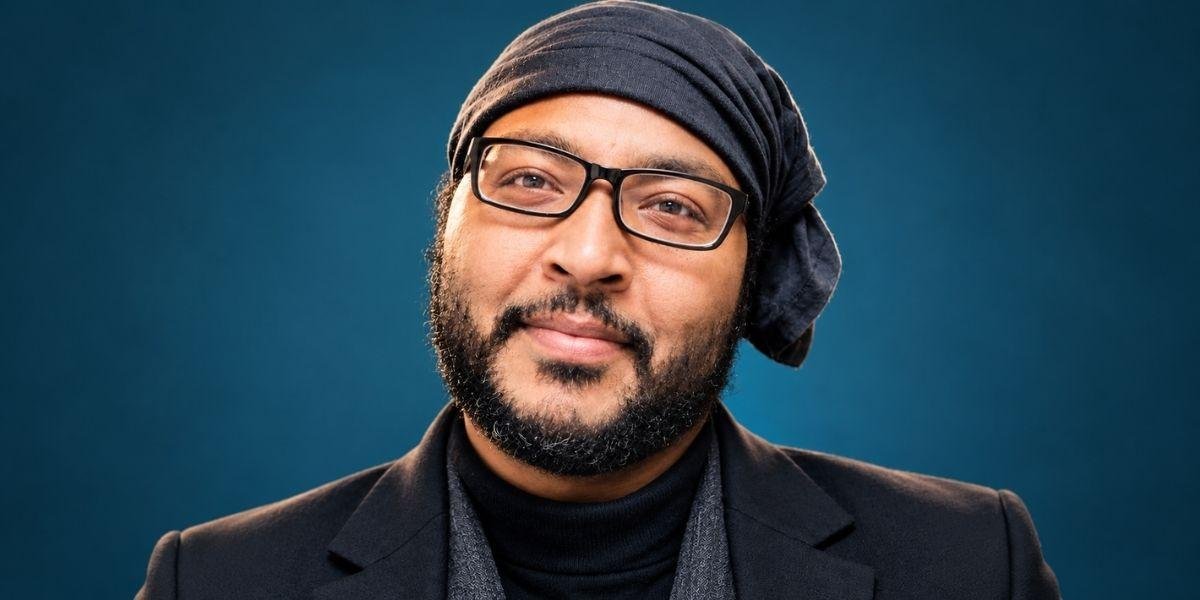
The latest release from Pittsburgh artist Cello (Marcello Valletta) isn’t interested in playing by genre rules, commercial formulas, or emotional safety nets. This is a deeply personal, wildly vulnerable collection of songs that sounds like it was created somewhere between a therapy session, a poetry reading, a sleepless night, and a spiritual awakening.
And I mean that as a compliment.
Cello arrives at music through storytelling. He’s a published poet, an actor, a creative soul who seems incapable of separating art from experience. That’s apparent from the opening seconds of “Stay Here,” where the listener is dropped directly into the middle of emotional turbulence.
There’s no easing into this record.
“Stay Here” pulses with longing, obsession, confusion, and desire. The repeated refrain, “Won’t you stay here? She said, ” My lover, my lover,” feels like someone replaying a memory over and over in hopes of changing the ending. It’s haunting. Not because it’s polished, but because it’s honest.
That honesty drives the entire album.
On “Elevate,” Cello wrestles with ambition, identity, temptation, and self-belief. The lyrics bounce between confidence and insecurity with dizzying speed. It’s as though the narrator is simultaneously trying to conquer the world and convince himself he deserves to exist in it.
That emotional duality becomes one of Singing to Serpents’ defining strengths.
Cello rarely presents himself as a hero. He doesn’t pretend to have answers. Instead, he allows listeners to witness the internal arguments most artists edit out. One moment, he sounds invincible. The next, completely exposed.
“Sucks to Be Used” may be the album’s most confrontational track. The title alone suggests anger, but beneath the sharp edges lies heartbreak. The repeated declaration that it’s hard to be him but worse to be someone else feels less like arrogance than emotional self-defense. You can practically hear the bruise beneath the bravado.
That vulnerability deepens during “Pray” and “Faith,” two of the album’s strongest moments.
“Faith” in particular feels like the emotional center of the record. The recurring line, “I need strong faith in my abilities,” functions like a mantra repeated by someone desperately trying to silence their doubts. It’s raw, relatable, and deeply human.
What makes these songs resonate is their refusal to hide emotional complexity.
Cello openly lives with Autism Spectrum Disorder and ADHD, and while Singing to Serpents is not explicitly about neurodivergence, its influence can be felt everywhere. The repetition. The hyperfocus. The emotional intensity. The sensory imagery. The songs often feel like thoughts arriving faster than language can contain them.
That quality gives the album an unusual immediacy.
“Cravings” is one of the best examples. The song captures romantic obsession with almost physical force. Desire becomes sensation. Attraction becomes static electricity. Every lyric feels heightened, amplified, impossible to ignore.
Then there’s “Full Moon,” which drifts into darker territory. It’s cinematic, mysterious, and slightly dangerous. Love becomes transformation. Desire becomes ritual. The song feels like midnight personified.
By the time “Sleeping” closes the album, the emotional storm has not necessarily passed, but it has softened.
There’s a tenderness in the final moments that feels earned.
Throughout Singing to Serpents, Cello demonstrates a willingness to embrace imperfection that many artists spend entire careers trying to rediscover. The album doesn’t sound manufactured. It sounds like.
In music today, that matters.
We live in an era where so much art is filtered, refined, and optimized before it reaches audiences. Singing to Serpents feels like the opposite. It leaves fingerprints on the glass. It leaves the seams visible. It allows confusion, contradiction, and vulnerability to remain intact.
And because of that, it feels real.
This isn’t an album about having life figured out.
It’s an album about surviving the questions.
Cello may not offer listeners easy answers, but he offers something far more valuable: authenticity. Through heartbreak, desire, faith, loneliness, and self-discovery, Singing to Serpents remains unapologetically human.
And in the end, that humanity is what makes the record impossible to ignore.