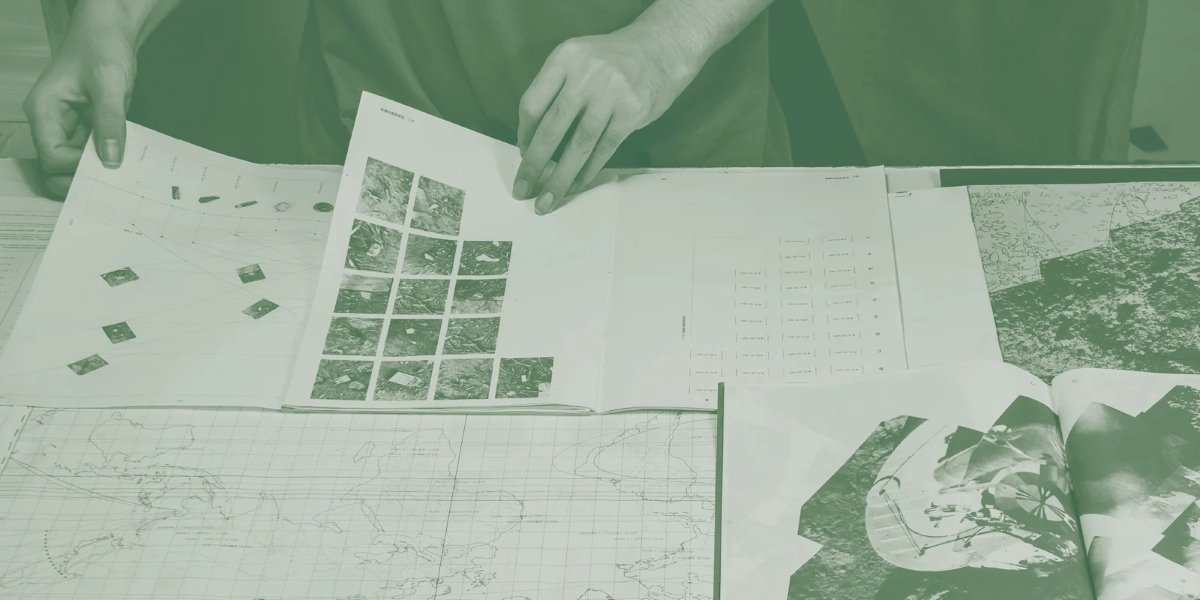

Graphic designer Olivia Zhu has a core work philosophy that encapsulates almost all of her ways of working, “it all starts from zero.”
The meaning of this term is not difficult to understand: before a book truly becomes a book, all participants, including publishers, artists, authors, and designers, should stand on the same starting point. Before everything was ready, everyone would sit down together and discuss what the book was supposed to be. For everyone involved, this question is not merely a simple warm-up before design. It is the creative process itself.
This research-oriented method of designing books is related to Olivia Zhu’s experiences during her student days. Zhu spent her year-long college graphic design courses making zines online during COVID. The physical challenges of isolation meant she had to move past materiality and tangible design choices to focus on content and form. Zhu worked on zines and books almost every day and entered mock text without actual content directly into design software to test out different layouts and type designs. This was the first attempt by Olivia Zhu to integrate the design process within content ideation. In Zhu’s understanding, design itself is a form of content expression. Content and form are not sequential but occur simultaneously. A book is born only through the interplay between textual writing and visual presentation.
The traditional publishing process is the exact opposite of Zhu’s method. The common practice is to have content first and form second. First, have the text, then let the designer typeset it. But Olivia Zhu believes that when all the material is ready, it also means that the creative direction is anchored. Designers are not able to be creative in such a rigid framework. So she replaced the entire process. A publisher should insist on bringing together authors, editors, and designers early on in the project. This discussion is not about making a decision, but about building a common perception and imagination of books in the minds of each participant. Olivia Zhu believes that only by aligning everyone on this common “zero point of creation” in the early stages can designers gain greater creative freedom.
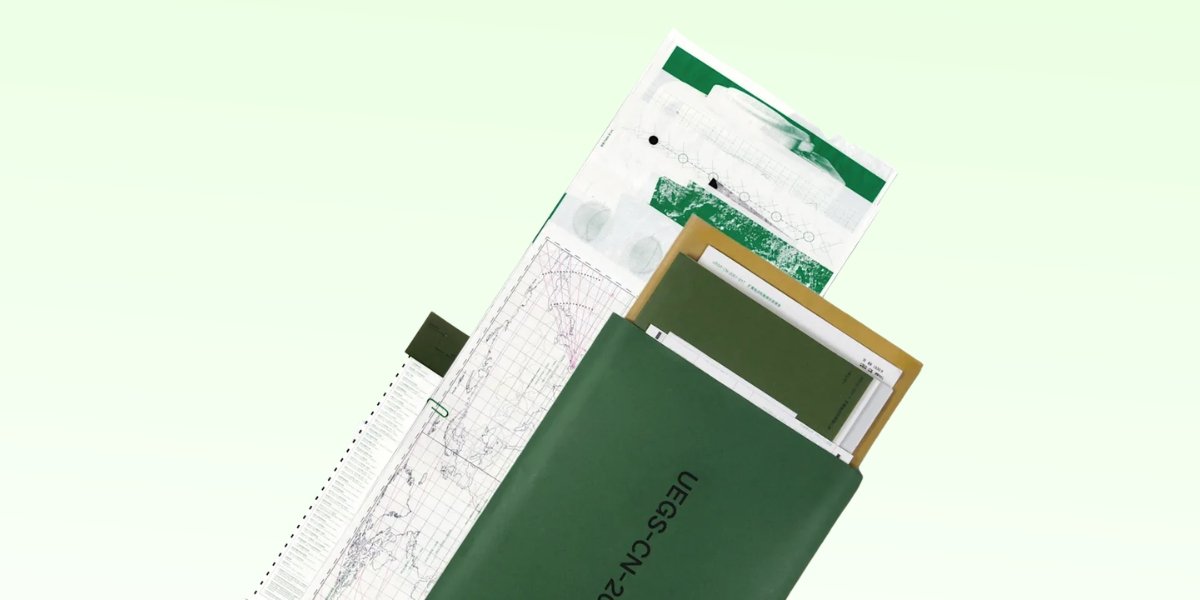
Olivia Zhu likens the publishing process to an open stage. In this space, all the actors involved in the book production will exchange ideas and collide on a collaborative stage. Like ten full-time employees in a publishing house. In normal productions, people take on separate roles of graphic design, editing, production, public relations, and distribution. In actual practice, however, everyone participates in multiple fields simultaneously across borders. Olivia Zhu considers this way of collective creation an act of “impromptu” in a theater. She looks at the birth of a book as essentially an interpretive process based on profound division of labor and interaction among people.
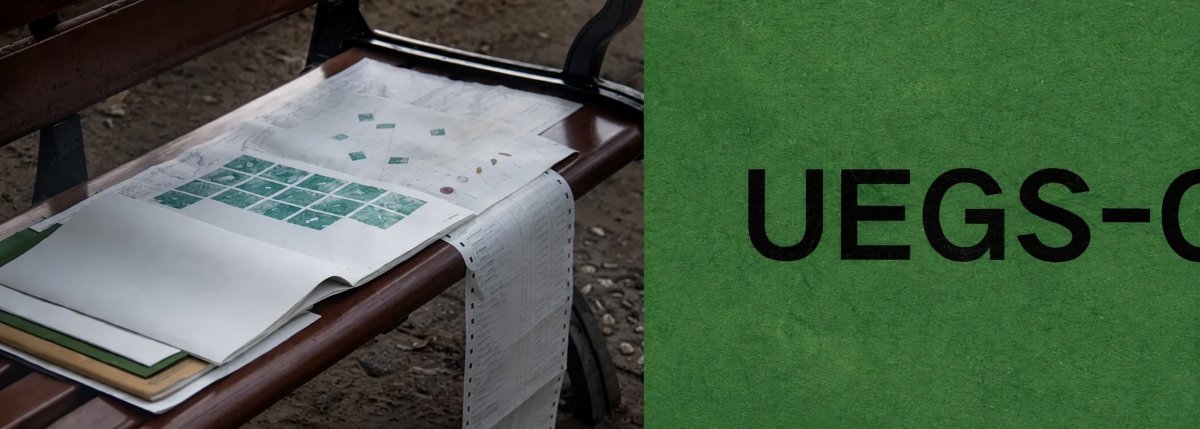
The role of book designers on this stage has become more flexible and versatile. They are no longer mechanical page-makers but co-authors of books. Although designers are not the producers of text, typography, binding, and fonts are, in fact, providing logical and syntactic content. Olivia Zhu believes that book design is not merely the visual packaging and embellishment of text and content. Design itself is about creating another layer of meaning beyond the text.
Olivia Zhu does not shy away from the contradictions and conflicts that arise in the process of high-intensity communication during team collaboration. Instead, she argues that contradictions and conflicts also provide a new way of thinking for making books. Many design inspirations are born through repeated feedback and corrections. This way of co-producing books also means that the character and temperament of the people involved will greatly influence how each book ends up. And in each collaboration, it is the tension between the different perspectives that gives each book its unique form.
Working internationally, Zhu has also established a long-term network of relationships with many external collaborators, in which the concept of the stage is continuously evolving. In 2021, after travelling in China for almost a year because of the pandemic, Olivia Zhu took on local projects working with independent art book publishers and design studios to produce publications and campaigns across Asia. Over the next couple of years, she has also gradually applied her collective work philosophy to her professional work back in the United States.
As Olivia Zhu said in an interview, “This way of creating collectively creates a common narrative in the process. We trust and know each other, so we are always able to respond to each other. Because we are on the same footing.” Behind the books on the shelves, there is a powerful projection of active interpersonal communication and the exchange of ideas. Books are centered on production, but they are much more than that.
To play a play well, in addition to the actors, naturally the audience also needs to be on stage.
According to Zhu, “It is only when the book is placed on people’s shelves that the book really begins its ‘show’.” Each time the books are picked up and turned over, they are reviewed with different eyes and rearranged to combine new semantic concepts. And perhaps the charm of a book lies in the minute moments when the eye wanders, and the mind meets.