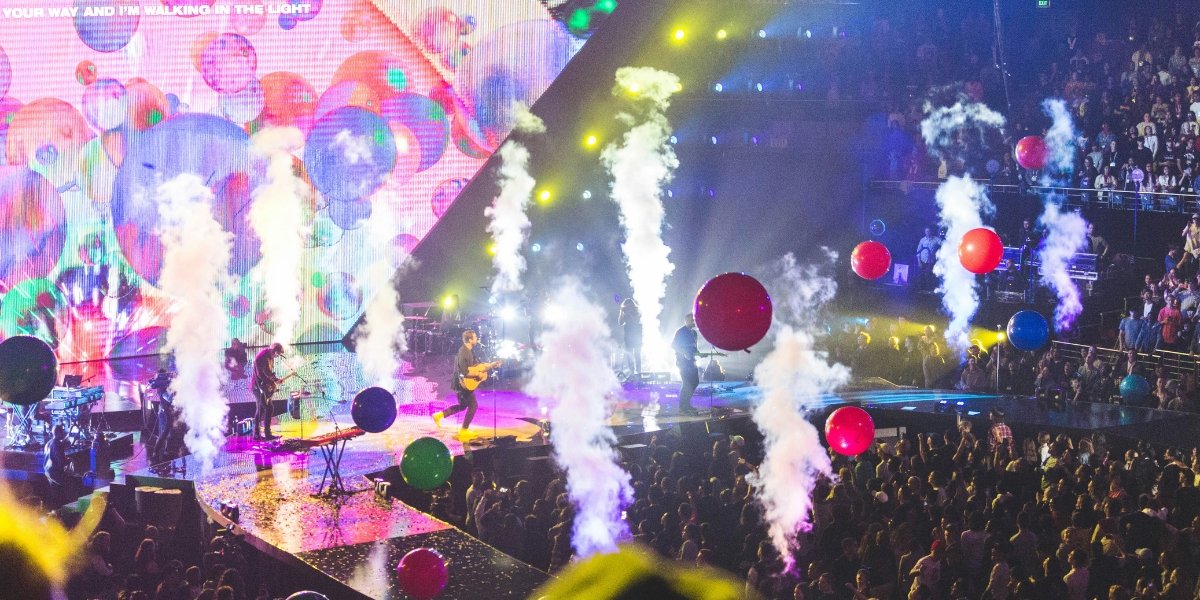

The Jingle Ball 2025 was a significant milestone in pop culture, with Los Angeles serving as the backdrop for a concert that wasn’t just about music—it was a statement about the evolving relationship between pop culture, music, and social media. In a year dominated by TikTok trends and Instagram viral moments, Jingle Ball didn’t just celebrate music; it celebrated the youth-driven, influencer-fueled stars who are redefining what it means to be a pop icon in 2025.
This iconic event brought together an eclectic mix of established superstars and fresh talent who have risen through the ranks by mastering the art of digital engagement. The red carpet wasn’t just a fashion moment; it was a clear reflection of how today’s pop stars are shaped by their presence in the digital landscape. For the artists stepping out into the limelight, it was a chance to prove that their music isn’t just part of a streaming playlist—it’s a cultural force that extends far beyond the stage.
LA’s Red Carpet — Where Social Media and Music Collide
Jingle Ball 2025 in Los Angeles blurred the lines between the traditional red carpet and the world of social media stardom. Performers like The Kid LAROI and Zara Larsson, already household names among digital natives, used the event to deepen their connection with fans. The red carpet was not just an opportunity to flaunt glam outfits but a chance to showcase the unique personal brands that have been carefully cultivated online.
Both The Kid LAROI and Zara Larsson have used social media platforms to build a following before ever stepping foot on a big stage. For these artists, Jingle Ball wasn’t just a concert, it was another chapter in their journey as multimedia creators, where Instagram stories and TikTok challenges are just as important as their chart rankings. By featuring these artists, Jingle Ball 2025 emphasized how the live concert industry and the influencer world are becoming more intertwined than ever before.
Influencers Taking Center Stage
Jingle Ball 2025 wasn’t just about musical acts; it was also about the influencers whose followings extend into the millions. Artists like Leon Thomas, with his roots in acting and singing, demonstrated how influencer culture has permeated every aspect of the entertainment industry. The success of such artists in today’s pop culture landscape hinges on their ability to engage with fans through live-streamed content, behind-the-scenes footage, and viral challenges.
The Kid LAROI’s success story is a testament to how quickly artists can rise in the digital age. His social media-savvy fanbase has fueled his success, turning him into a staple at events like Jingle Ball. His performance, while rooted in musical talent, was also a performance for his digital followers. The same can be said for Zara Larsson, whose track record as a pop star is matched by her massive social media presence.
Digital Savvy Artists Redefining the Concert Experience
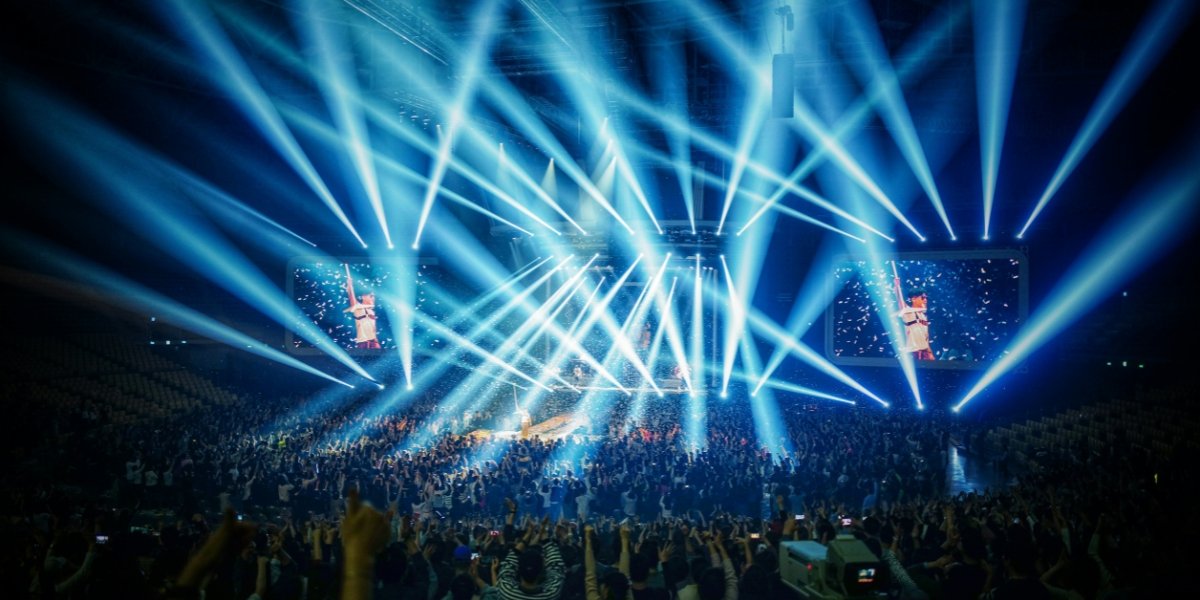
Photo Credit: Unsplash.com
The influence of digital culture is not only seen in how artists engage with their fanbases but also in the way concerts like Jingle Ball 2025 are shaping the live performance experience. Social media platforms like TikTok and Instagram offer new ways for fans to interact with their favorite artists, and these platforms have turned live performances into events that exist both online and offline. Jingle Ball 2025 exemplified this shift, with performances livestreamed for fans who couldn’t attend in person, and interactive experiences that brought fans into the event from every corner of the globe.
Today’s pop stars are no longer just performers—they’re influencers, content creators, and brand ambassadors. Their concerts are more than just a series of songs played in front of a crowd; they are multimedia experiences designed to engage fans both in the venue and through their digital screens. This evolution is helping Jingle Ball maintain its status as a must-see event, not just for music fans but for digital culture enthusiasts as well.
The Future of Pop Stars in the Digital Era
Jingle Ball 2025 also provided a glimpse into the future of pop music and its relationship with digital culture. With the rise of streaming services, young pop stars no longer need traditional media exposure to build a fanbase. Artists like Leon Thomas, The Kid LAROI, and Zara Larsson have demonstrated that music consumption is no longer confined to radio or physical sales—today, it’s about creating a multifaceted brand across social platforms.
As digital engagement continues to rise in influence, the future of pop music will likely see more artists emerging from platforms like TikTok and Instagram, further elevating the importance of online presence in an artist’s career. Jingle Ball 2025 perfectly captured this shift, offering a stage not only for well-established artists but also for the next generation of stars who are shaping pop culture online.
The New Generation of Pop Icons: A Digital Revolution
The digital revolution in music is undeniable, and Jingle Ball 2025 illustrated how the event has evolved to meet the needs of a new generation of pop stars. The intersection of music, fashion, and social media creates an environment where artists can connect with fans in ways that were once unimaginable. For emerging artists, this new ecosystem has made it easier than ever to launch a successful career—and Jingle Ball 2025 proved that LA’s live music scene is as much a digital spectacle as it is a physical one.
As we look to the future, Jingle Ball 2025 serves as a case study in how live performances are changing the landscape of pop music. The stars of tomorrow are not only dominating the stage—they’re creating content and building brands that live on social media, constantly engaging with their audiences. This seamless integration of music and digital culture is shaping what it means to be a pop star in 2025, and LA remains at the epicenter of this creative revolution.