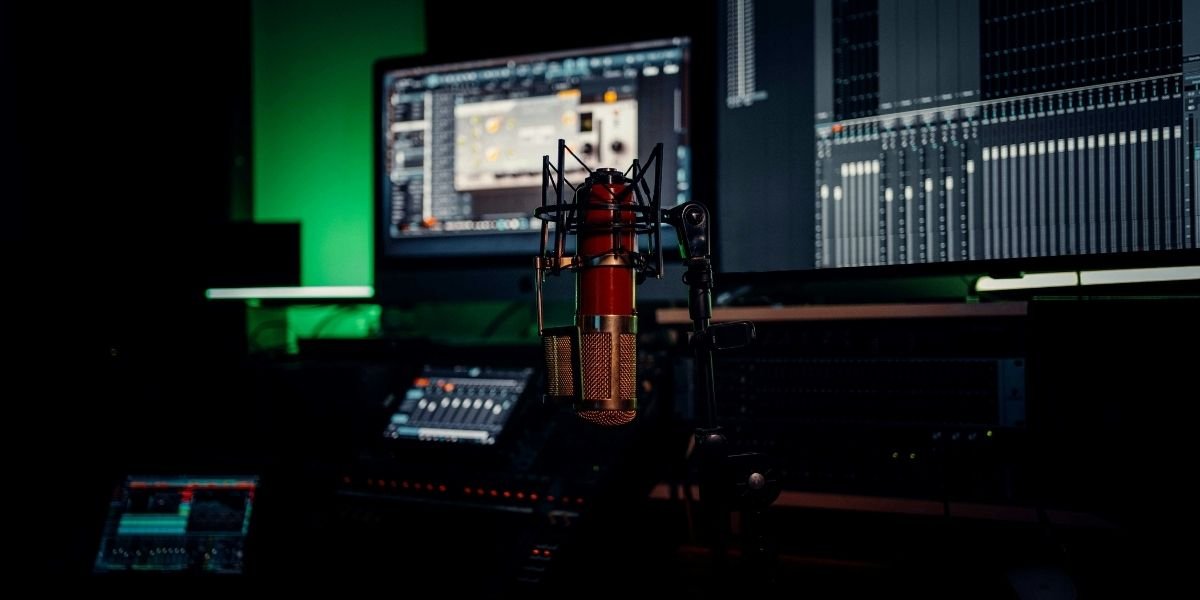
Bedroom pop isn’t just a genre—it’s a movement. Built on lo-fi production, minimalist aesthetics, and digital intimacy, it’s become the soundtrack of a generation that values vulnerability over polish. Artists like Clairo, beabadoobee, and PinkPantheress have turned their bedrooms into studios, their laptops into mixing boards, and their emotions into chart-topping hooks.
This isn’t about chasing perfection. It’s about capturing a moment. Bedroom pop thrives on imperfection, layering soft vocals over grainy beats and ambient textures. It’s music that feels handmade, like a voice note from a friend or a journal entry set to melody.
Lo-Fi Isn’t a Limitation—It’s a Language
Lo-fi production is the heartbeat of bedroom pop. Instead of studio-grade polish, artists embrace ambient noise, clipped samples, and analog warmth. The result is a sonic palette that feels personal and lived-in. You can hear the hum of a fan, the click of a keyboard, the breath between verses.
This aesthetic isn’t accidental. It’s intentional. Lo-fi signals authenticity. It tells listeners, “This was made here, by me, for you.” It’s a rejection of overproduction and a celebration of creative resourcefulness.
The immersive textures of lo-fi pop echo the storytelling style featured in Artist Weekly’s interview with Meifang Zhou, where visual and sonic imperfections become part of the narrative.
Minimalism Makes Space for Emotion
Bedroom pop doesn’t rely on complex arrangements or flashy instrumentation. Its power lies in restraint. Sparse beats, simple chord progressions, and whispered vocals create space for emotional nuance. It’s music that breathes.
This minimalist approach allows artists to foreground lyrics—often confessional, sometimes cryptic, always intimate. Themes of anxiety, identity, and longing are common, delivered with a softness that invites listeners to lean in.
The genre’s visual language mirrors this sonic minimalism. Album covers, music videos, and social media posts often feature muted tones, grainy textures, and DIY aesthetics. It’s a cohesive world where less truly means more.
Digital Intimacy Is the New Stage Presence

Photo Credit: Unsplash.com
Bedroom pop artists don’t need arenas—they have TikTok, Bandcamp, and Discord. These platforms allow for direct, unfiltered connection with fans. A demo posted at midnight can go viral by morning. A livestream from a cluttered bedroom can feel more intimate than a stadium show.
This digital intimacy is redefining what it means to be a performer. It’s not about spectacle—it’s about presence. Fans aren’t just consuming music; they’re part of the process. They comment on mixes, suggest lyrics, and remix tracks. It’s a collaborative ecosystem where boundaries blur between artist and audience.
The rise of bedroom pop parallels the creator-led storytelling explored in Artist Weekly’s feature on Elnoir, where behind-the-scenes vulnerability becomes part of the art itself.
Bedroom Pop Is Democratizing Music Production
One of the most radical aspects of bedroom pop is its accessibility. You don’t need a label, a manager, or a studio. You need a laptop, a mic, and a point of view. This democratization has opened doors for artists from marginalized communities, allowing voices that were once excluded to shape the cultural conversation.
It’s also changing the industry. Labels are scouting talent on SoundCloud and TikTok, signing artists who’ve built organic followings from their bedrooms. The traditional gatekeepers are losing their grip, and the bedroom is becoming the new A&R office.
This shift is empowering a generation of artist-entrepreneurs who control their sound, their image, and their narrative. It’s not just music—it’s self-publishing in sonic form.
The Future of Bedroom Pop Is Hybrid and Hyper-Personal
As technology evolves, so does bedroom pop. Artists are experimenting with AI tools, spatial audio, and interactive formats. But the core remains the same: intimacy, authenticity, and creative autonomy.
We’re seeing hybrid genres emerge—bedroom pop fused with hyperpop, ambient, and even jazz. The boundaries are fluid, and that’s the point. Bedroom pop isn’t a box—it’s a portal.
It’s also influencing other art forms. Filmmakers, illustrators, and fashion designers are drawing from its aesthetic, creating cross-disciplinary works that feel emotionally resonant and visually raw.
Bedroom pop isn’t going anywhere. It’s evolving, expanding, and deepening. And it’s doing so on its own terms.