
By: Avoof
In the bustling world of contemporary design, where creativity meets cutting-edge technology, Harper Qiuhan Chen stands out as a dynamic force redefining how humans interact with digital media. A Los Angeles-based graphic designer, Chen’s work brings together elements of technological innovation and emotional expression, aiming to create visually engaging experiences.
Harper’s practice delves deep into the evolving relationship between design, technology, and human experience. Her portfolio is a testament to her ability to weave traditional design principles with the potential of emerging technologies, creating a harmonious balance that engages and captivates audiences.
Take, for example, her project “Belly Fight Music Visualization.” This innovative piece demonstrates how real-time response systems can amplify the emotional impact of music. By combining visual elements with soundscapes, Chen creates an immersive environment that transforms passive listening into an active, sensory experience. “The goal is to make the audience feel as if they are part of the music,” she explains. This philosophy of immersion and connection permeates her entire body of work.
Another notable project in Harper’s portfolio is the rebranding work for the New Media Caucus (NMC), an organization that bridges academia and emerging technologies. Chen approached the rebrand with an emphasis on making complex technological concepts approachable. By employing clean lines, intuitive visuals, and cohesive branding elements, she gave NMC a renewed identity that aligns with its mission of fostering collaboration between technology and art.
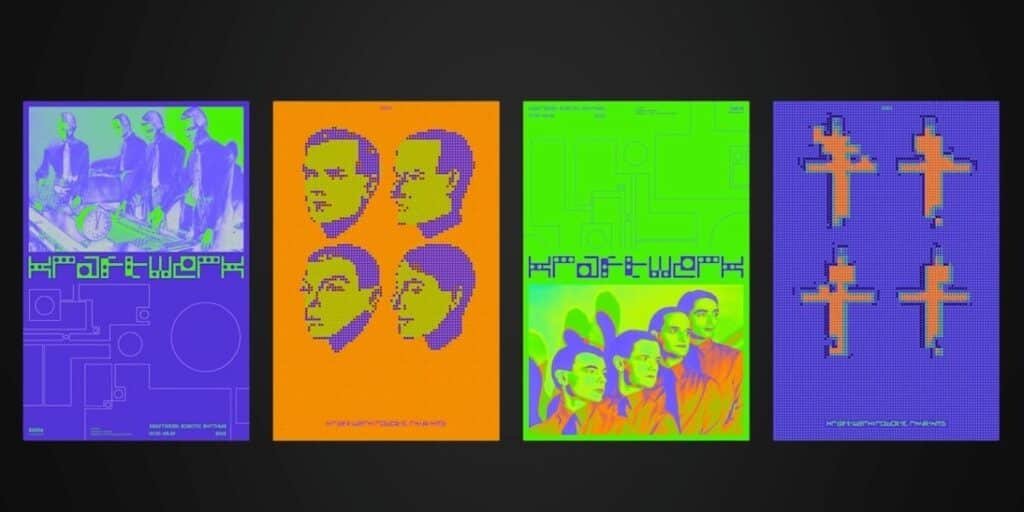
Photo Courtesy: Harper Qiuhan Chen
“Design has the power to demystify technology,” Chen notes. “Through thoughtful visual solutions, we can make even the most intricate ideas accessible and engaging.” This principle underscores her commitment to breaking down barriers between innovation and usability.
One of Harper’s intriguing explorations is her “Kraftwerk: Sonic Wave” project, a groundbreaking investigation into the interplay between sound and visual form. Drawing inspiration from the pioneering electronic music group Kraftwerk, Chen developed a design language that translates auditory experiences into visual phenomena. “Sound and visuals are deeply interconnected,” she says. “By exploring their relationship, we can create designs that resonate on multiple sensory levels.”
Harper’s journey into the world of design is as multifaceted as her work. Educated at the prestigious ArtCenter College of Design, she gained a strong foundation in traditional design principles while independently mastering a variety of digital tools. This dual approach has allowed her to merge the old with the new, crafting a design philosophy that is both rooted in tradition and forward-looking.
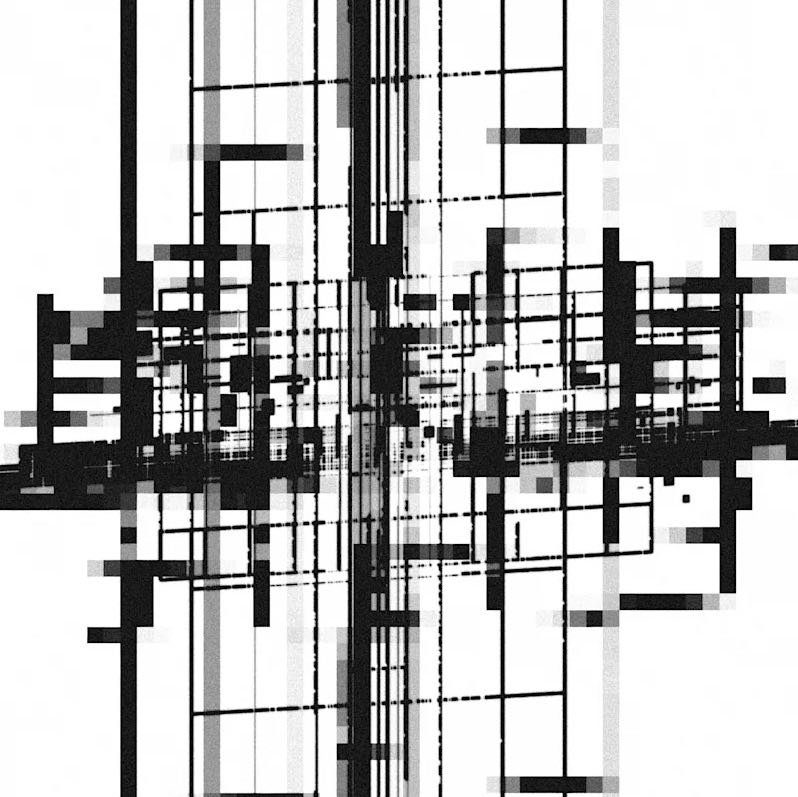
Photo Courtesy: Harper Qiuhan Chen
“ArtCenter taught me to respect the fundamentals of design,” she reflects, “but my self-taught exploration of digital tools gave me the freedom to experiment and innovate.”
Her influences are equally diverse. Electronic music culture, particularly artists like Max Cooper, plays a significant role in shaping her creative vision. Cooper’s ability to blur the lines between audio and visual art mirrors Harper’s own pursuits, inspiring her to push the boundaries of what design can achieve.
Harper’s talent has not gone unnoticed. She has been recognized with the prestigious Young Ones Portfolio Award and multiple Graphis honors. These accolades affirm her status as a rising star in the design world. Beyond personal achievements, her professional experience includes collaborations with renowned studios like Pastilla and Something About, where she honed her skills and contributed to projects that further solidified her reputation.
“Each collaboration has taught me something new,” Chen shares. “Working with diverse teams has expanded my perspective and enriched my approach to design.”
At the heart of Harper’s work is a deep commitment to the human element of design. In an era dominated by rapid technological advancements, she emphasizes the importance of creating experiences that foster emotional connections. “Technology is a tool, but the human experience is the goal,” she asserts. “My work is about finding ways to make technology more relatable, more engaging, and ultimately, more meaningful.”
This philosophy is particularly relevant as society navigates the complexities of the digital age. From social media platforms to virtual reality experiences, Chen believes design plays a crucial role in shaping how people interact with and perceive technology. Her projects often explore how visual storytelling can enhance accessibility and foster a sense of connection in increasingly digital spaces.
As Chen continues to evolve her practice, she remains focused on pushing the boundaries of what design can achieve. Her upcoming projects aim to further explore the intersection of sound, visuals, and human emotion, building on the foundation she has established while venturing into new creative territories.
“Design is a constantly evolving field,” she observes. “It’s exciting to think about how emerging technologies like AI and AR can be leveraged to create even more immersive and impactful experiences.”
Harper’s work is a compelling reminder of the power of design to bridge gaps—between tradition and innovation, technology and humanity, sound and vision. Through her thoughtful and boundary-pushing approach, she invites audiences to see the world not just as it is, but as it could be.
To explore more of Harper Qiuhan Harper’s groundbreaking work, visit her portfolio at harperchen.design.
Published by Anne C.