By: Yi Zhu
When audiences stepped into 4C Gallery this summer for Fictions of Proximity (June 7 – July 20, 2025), they were greeted not only by an ambitious group show but also by a body of work that stirred profound reflection on the structures shaping everyday life. Among the many striking pieces, one that stood out both visually and conceptually was Soft Resistance, a participatory ceramic sculpture by Los Angeles–based artist Liang Zhang.
Curator Adela Zhao described her first encounter with the work with rare enthusiasm:
“Liang Zhang’s work caught my attention as we were going through the artwork selection process, and I was intrigued by the concept. As we first received the artwork, I found myself feeling somewhat excited, because it seemed to invite me to be a part of the artwork, as a way to reflect my power of resistance to the construct of society. Over time, people would come and go, leaving their own marks on the seemingly indestructible cement. And as I watched it each day, the whole thing seemed to transform in front of my eyes. It awakened a sense of something inexplicable—that we do have this potential to change the environment we inhabit, despite the struggles each of us faces daily. And together, as people who do not know each other, we collaborated in a way that felt like a unified effort for this shared mission, quietly resisting something that appeared to be immune to change. It occurred to me then that this was something unique, yet perhaps universal; Liang Zhang’s work seemed to reach us in ways we didn’t expect, igniting hope in an approachable, and at times, surprising way. The idea and execution worked harmoniously, as she offered a refreshing yet authentic view of humanity, effectively expressing it through her artistic excellence.”
Zhao’s words are not merely praise but indicate the transformative potential that Zhang’s practice appears to bring to contemporary art. Soft Resistance consists of a grid of concrete blocks into which viewers are invited to insert small clay forms they shape with their own hands. The artist provides simple but powerful instructions: pause, observe, take a piece of clay, shape it with your hands, and return it to the structure. What remains is not just a handmade fragment but part of a collective gesture that may quietly shift the system.
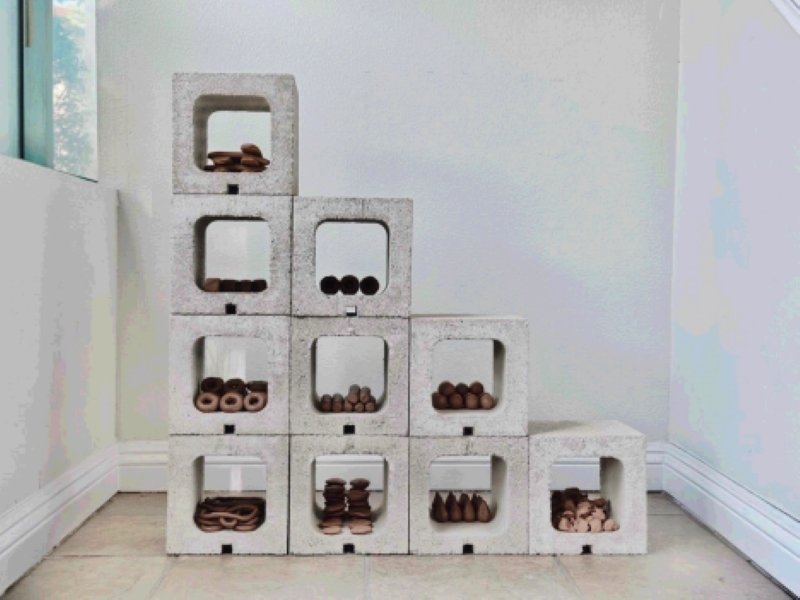
Through this deceptively simple act, Zhang opens a space where individuals can subvert the rigidity of imposed structures. The installation evolves over the course of the exhibition, visually recording the audience’s shared rebellion against inflexible systems. It is this interplay between form, participation, and metaphor that demonstrates Zhang’s ability to combine material innovation with conceptual depth.
The significance of presenting such work at 4C Gallery cannot be overstated. As an institution created “for Contemporary Art, for Conceptual Art, and for the Chinese Community,” the gallery has become a unique space for diasporic voices and cultural exchange. Zhang, who was born in China and established her career in the United States, embodies the spirit of this mission. Her work speaks simultaneously to specific cultural experiences and broader human concerns, allowing her to reach audiences across continents with a rare immediacy.
Indeed, Zhang’s artistic journey is increasingly international in scope. Over the past decade, her works have been featured in exhibitions across North America, Europe, and Asia, including presentations in the US, Italy, Germany, Japan, and others. In each context, her installations have resonated with audiences who appear to see in her practice not only material experimentation but also an insistence on the human capacity for resilience. Critics and curators abroad have remarked on her ability to connect the tactile language of clay with broader social metaphors, a quality that helps place her in dialogue with global discourses in contemporary art.
What distinguishes Zhang is not merely her technical mastery of ceramics or her conceptual sophistication, but her insistence on creating works that invite audiences into an active role. In an art world where participation can sometimes feel superficial, her projects demonstrate an understanding of how collective action might be embedded in material form. The result is an oeuvre that is both intellectually rigorous and emotionally accessible, offering experiences that are at once intimate and communal.
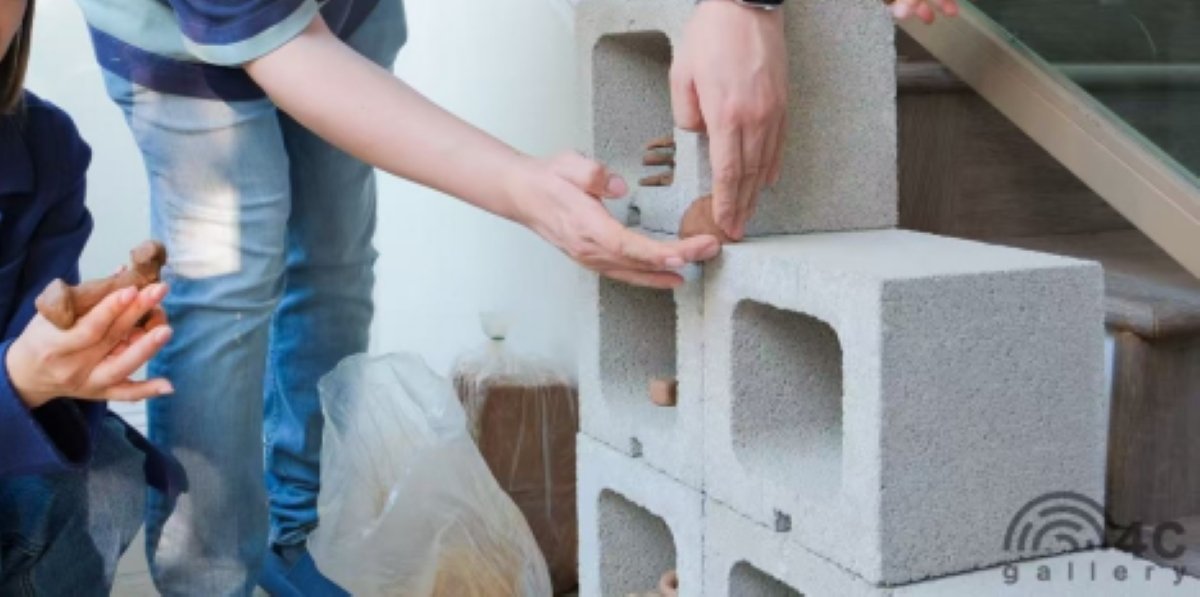
The reception of Soft Resistance during Fictions of Proximity demonstrated precisely this impact. Visitors of different backgrounds and generations approached the piece with curiosity, and many chose to return to the gallery multiple times to witness its transformation. Each added clay form became evidence of collaboration, resilience, and hope—qualities that transcend cultural boundaries. The work stood as a reminder that even the most rigid systems may be shifted through small but persistent acts of creativity.
As the exhibition drew to a close, Soft Resistance had transformed into something far beyond its initial state. It had become a collective monument to adaptability and shared humanity. For many, it was this sense of unexpected unity—strangers contributing quietly to the same vision—that lingered most powerfully after leaving the gallery.
By situating her work within both local and global contexts, Liang Zhang has established herself as a singular voice in contemporary art. Her ability to unite rigorous conceptual inquiry with participatory practice, and to do so in ways that resonate across cultures, sets her apart as a truly irreplaceable figure. In Fictions of Proximity, she did not simply show an artwork; she created an evolving experience that engaged community, challenged systems, and offered hope. It is this rare combination of artistic excellence and human insight that continues to secure her recognition on the international stage.