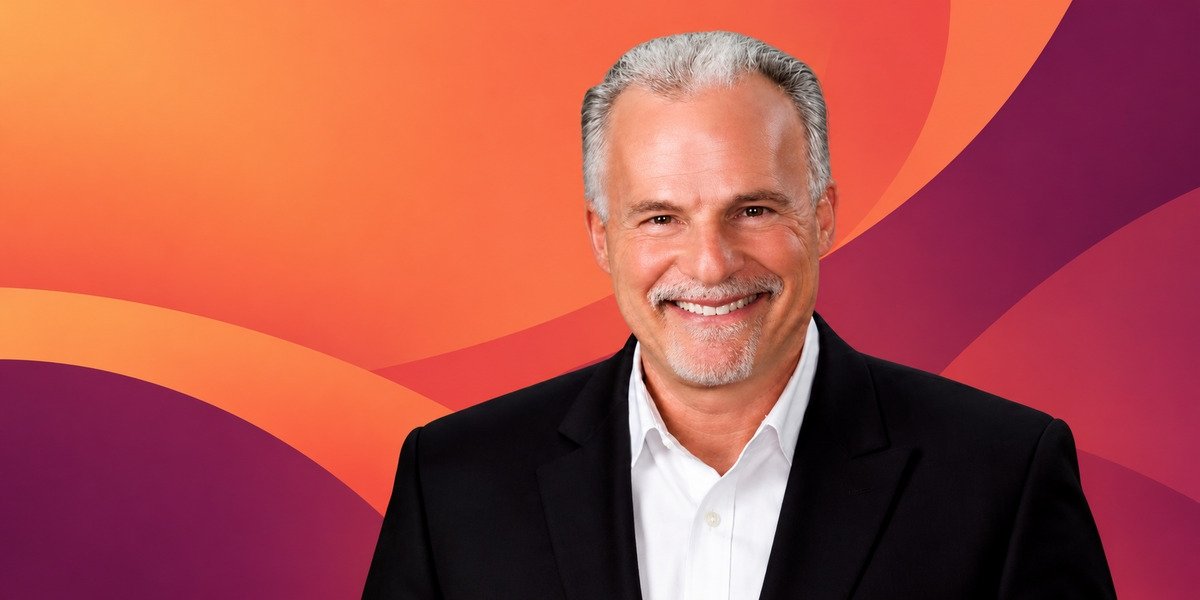
By: Dr. Bruce Mark, DC | Hollywood Laser Pain Center | Hollywood, Florida
Every year, thousands of patients in Broward County undergo spinal surgery, joint replacement, and soft tissue procedures with the expectation of pain relief. For most, the surgery achieves its structural goals. But a significant percentage of patients continue to experience pain after surgery, sometimes the same pain, sometimes different pain, sometimes more diffuse and difficult to characterize than what they had before. For patients in Hollywood, Hallandale Beach, Pembroke Pines, Fort Lauderdale, and across the region living with post-surgical pain, the Regenerative Medical Laser™ protocol offers a non-invasive option that focuses on tissue-level and neurological factors not always fully resolved by surgery alone.
Post-surgical pain has multiple potential mechanisms. Scar tissue, adjacent segment disease, residual nerve irritation, and established central sensitization can all contribute, sometimes simultaneously. Effective post-surgical care requires identifying and addressing each of these mechanisms specifically.
At Hollywood Laser Pain Center, I have managed post-surgical pain patients in Hollywood, Florida, for more than 27 years. My experience at Broward Medical and Rehab, a multidisciplinary practice, reflects the clinical reality that post-surgical pain requires a multi-mechanism approach that no single modality can fully provide.
Why Does Pain Persist After Surgery?
Post-surgical pain has multiple well-documented mechanisms. Scar tissue formation at the surgical site can entrap nerve tissue, creating pain and neurological symptoms that differ from the original pre-surgical complaint. Adjacent segment disease, accelerated degeneration at spinal levels adjacent to a fusion, can produce new pain in a different location than the original surgery. Research published in Spine found that adjacent segment changes requiring additional surgery occurred in approximately 15 percent of lumbar fusion patients within 10 years.
Failed back surgery syndrome affects 10 to 40 percent of spinal surgery patients according to the North American Spine Society. A 2016 study in Pain Physician found that patients with FBSS had quality of life scores comparable to patients with chronic heart failure, a benchmark that contextualizes the magnitude of the outcome for the patients who experience it.
When surgery is performed in the context of established central sensitization, common in patients with prolonged pre-surgical pain, the sensitized pain system may continue generating significant pain output even after structural pathology has been corrected. This is a neurological problem that structural surgery cannot solve.
What Does the Regenerative Medical Laser™ Protocol Do for Post-Surgical Pain?
The Regenerative Medical Laser™ protocol is designed to address the modifiable components of post-surgical pain. Photobiomodulation, the underlying mechanism of class IV laser therapy, has been studied for its effects on inflammation and tissue repair processes, including the periradicular inflammation common following lumbar and cervical surgery. Research in the European Journal of Physical and Rehabilitation Medicine has examined photobiomodulation in chronic spinal pain populations, including patients with post-surgical presentations.
For joint replacement patients, laser therapy is often applied to periarticular soft tissue, an area frequently associated with muscular atrophy, capsular inflammation, and scar tissue development that can contribute to residual post-operative pain. The protocol is structured around the broader recovery window rather than the immediate post-surgical period.
What Does Graston Technique Add for Post-Surgical Patients?
Post-surgical scar tissue, the collagen matrix that forms after any tissue injury including surgical incision, is mechanically different from normal tissue and lacks normal elasticity. In the vicinity of nerve tissue, scar adhesions can create tethering that restricts normal nerve glide. Graston Technique is an instrument-assisted soft tissue mobilization approach designed to address scar tissue and adhesions in accessible anatomical locations, including the lumbar paraspinals after spinal surgery, the periarticular soft tissue after joint procedures, and incision sites where adhesions have formed.
What Does Acupuncture Add for Post-Surgical Central Sensitization?
For patients whose post-surgical pain involves central sensitization established during the pre-surgical period, acupuncture is a complementary modality often used alongside peripheral tissue interventions like laser therapy and Graston. The integrated approach at Broward Medical and Rehab reflects the multi-mechanism clinical reality of failed back surgery syndrome and complex post-surgical pain.
Visit Hollywood Laser Pain Center to learn more about the practice. Patient education content is available at the ReliefNow Nation YouTube channel. Contact Hollywood Laser Pain Center at 2607 Polk Street, Hollywood FL 33020 | 954-925-7333.
ABOUT THE AUTHOR
Dr. Bruce Mark, DC | Hollywood Laser Pain Center | 2607 Polk Street, Hollywood FL 33020 | 954-925-7333 | reliefnowlaser.com/providers/hollywood/
Dr. Mark earned his Doctor of Chiropractic from Logan College of Chiropractic with honors and has practiced for more than 27 years in Hollywood, Florida. He holds certifications in Graston Technique and acupuncture, is a former collegiate football player at Wake Forest University, and practices at Broward Medical and Rehab. He is a provider in the national ReliefNow® network.
Disclaimer: The information provided in this article is for general informational purposes only and should not be construed as medical advice. The effectiveness of treatments may vary depending on individual circumstances. Consult a qualified healthcare professional to discuss your specific medical needs and treatment options.